
How to Efficiently Schedule with a Pastor: A Step-by-Step Guide
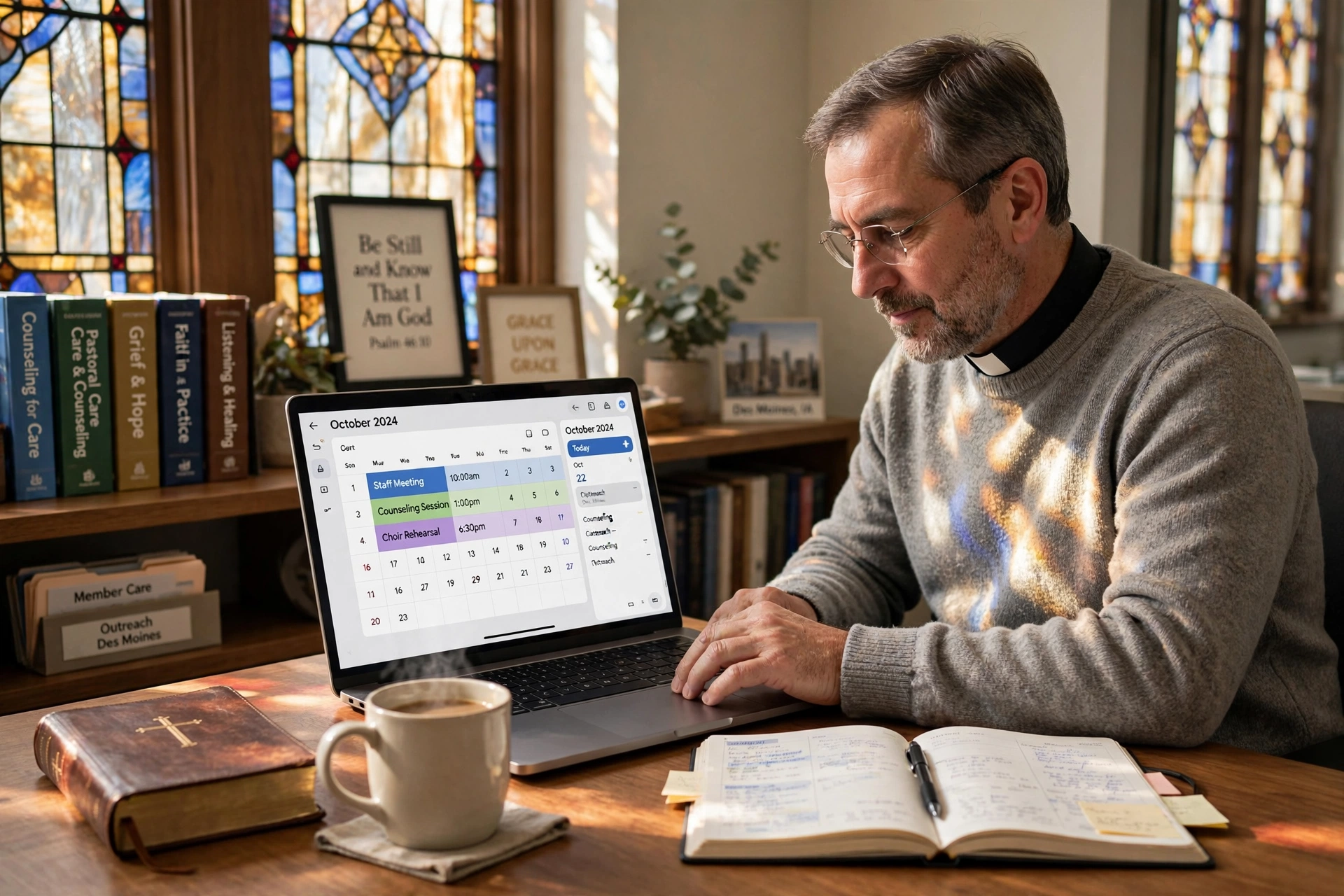
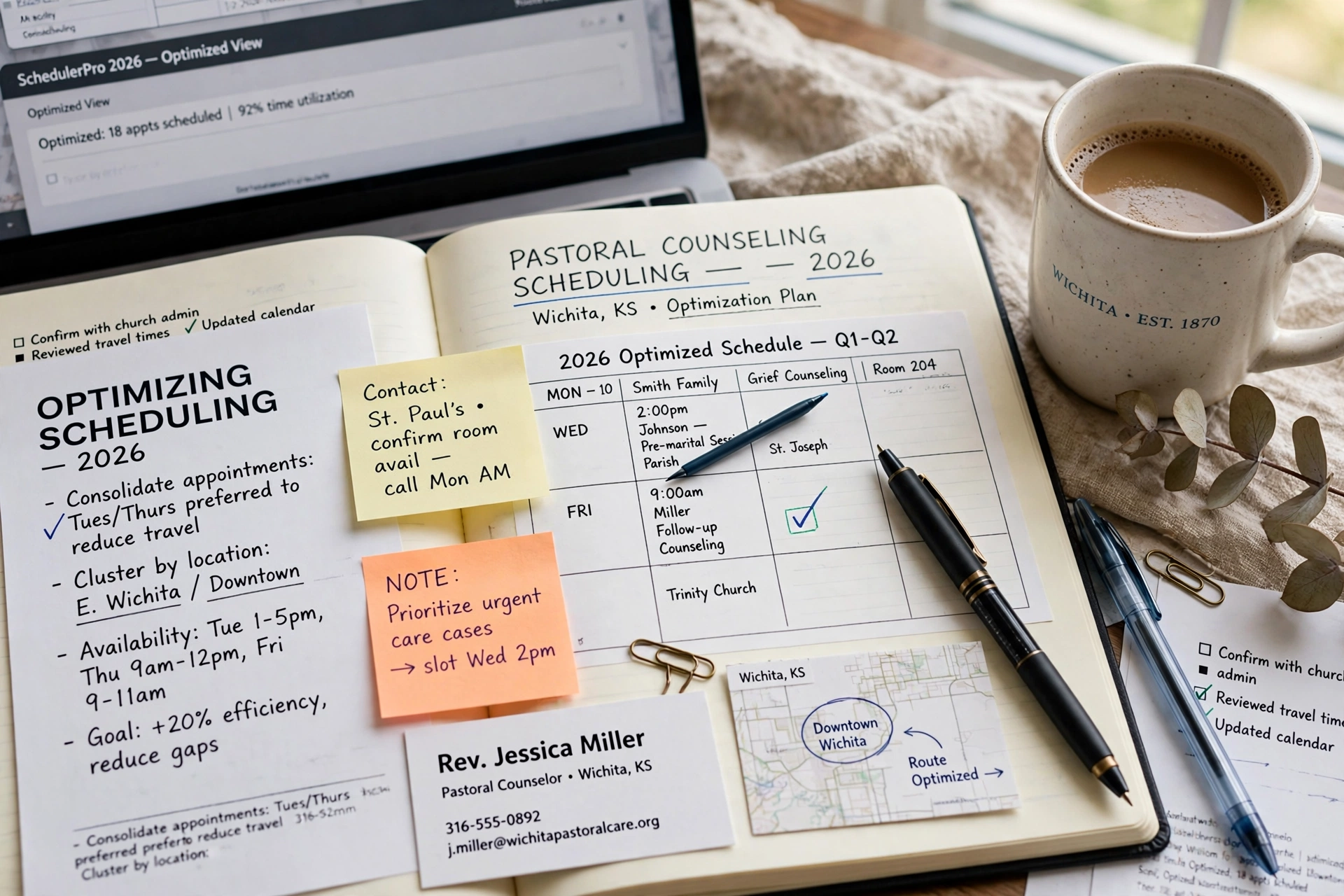
Managing the calendar of a spiritual leader is a delicate balance between accessibility and the necessity of solitude. When congregants need to schedule with pastor for counseling, guidance, or administrative meetings, the process should be frictionless yet structured. To achieve this, the most effective method is to transition from manual "back-and-forth" emailing to a centralized digital booking system where the pastor defines their availability and the user selects a slot. This eliminates scheduling conflicts and ensures that the minister's time is protected for sermon preparation and personal renewal.
In my experience working with various church leadership teams, the biggest friction point isn't the lack of will to meet; it's the "scheduling dance." I've seen pastors spend four hours a week simply coordinating times for meetings that should have taken thirty seconds to book. This administrative drain leads to burnout and reduces the quality of pastoral care provided to the congregation.

Understanding the Mechanics of Pastoral Scheduling
Effective church administration requires a system that respects the unique rhythms of ministry. Unlike a corporate executive, a pastor's day is often interrupted by unplanned crises—a hospital call, a grieving family, or an urgent congregational need. Therefore, scheduling is not just about filling slots; it is about creating a sustainable framework for pastoral care.
📚
Definition
Pastoral Scheduling is the strategic management of a minister's time to balance the competing demands of administrative duties, sermon preparation, spiritual disciplines, and direct congregational care.
The core of a successful system relies on "time blocking." This is the practice of dedicating specific chunks of the day to specific activities. For example, Tuesday mornings might be reserved exclusively for study, while Thursday afternoons are open for those who wish to schedule with pastor for counseling. When these boundaries are clearly communicated through a scheduling tool, the congregation feels supported rather than ignored.
According to research by the Barna Group, pastoral burnout is a significant risk factor in modern ministry, often driven by the inability to decouple professional demands from personal time. By implementing a structured scheduling process, leaders can regain control over their boundaries. When a pastor allows anyone to "drop in" or requests meetings via unstructured texts, they inadvertently signal that their time has no value, which eventually leads to emotional exhaustion.
Now, here's where it gets interesting: the psychological impact on the congregant. When a person is in crisis, a vague response like "I'll check my calendar and get back to you" can feel like a dismissal. Conversely, a direct link to a calendar—where they can see exactly when the pastor is available—provides immediate relief and a sense of certainty.
Why Structured Scheduling is Essential for Ministry Growth
The implications of poor time management in a church setting go beyond a messy calendar; they affect the overall health of the ministry. When scheduling is chaotic, the pastor becomes a bottleneck for every decision and every need within the church. This creates a dependency culture where the congregation cannot move forward without the minister's direct intervention.
Data from Christianity Today suggests that healthy churches are those where leadership has a clear balance between "internal" management and "external" spiritual outreach. A pastor who is overwhelmed by the logistics of who to meet and when is often unable to focus on the strategic vision of the church. The business impact here is measured in "lost ministry hours"—time that could have been spent on community outreach or leadership development but was instead spent managing an inbox.
The consequences of not acting on these inefficiencies include:
- Increased Burnout: A constant state of "on-call" availability leads to chronic stress.
- Inequitable Care: The "loudest" members of the congregation get the most time, while the quiet, needy members are overlooked.
- Administrative Friction: Staff members spend more time coordinating meetings than executing ministry tasks.
- Reduced Sermon Quality: When the "schedule with pastor" requests bleed into study time, the depth of the weekly message suffers.
Furthermore, a lack of structure creates a "gatekeeper" problem. Often, a secretary or administrator becomes the barrier between the pastor and the people. While a gatekeeper is necessary, a digital system allows the pastor to maintain that boundary while still providing a direct path for the congregant. This preserves the intimacy of the pastoral relationship while maintaining the professionalism of the office.
Practical Application: How to Implement a Booking System
If you are ready to stop the manual coordination of appointments, you need a workflow that is intuitive for both the leader and the follower. Here is the step-by-step process for implementing a modern scheduling framework.
Step 1: Audit the Current Time Allocation
Before touching any software, the pastor must track their time for one week. Identify the "non-negotiables": sermon study, staff meetings, and family time. These are "blackout zones" where no one should be able to book an appointment.
Step 2: Establish Meeting Categories
Not every meeting is the same. A "First-time Visitor" meeting is different from a "Crisis Counseling" session or a "Budget Review." Define the duration for each. For instance, a general check-in might be 30 minutes, while a deep counseling session requires 60 to 90 minutes.
Step 3: Deploy a Specialized Tool like Pastor Agenda
This is where the technical transition happens. Using a general-purpose tool can work, but a dedicated platform like Pastor Agenda is designed specifically for the nuances of ministry. By using Pastor Agenda, you can create specific booking links for different types of care. Instead of one generic calendar, you can have a "Counseling Link" and a "Leadership Meeting Link," each with different availability rules.
Step 4: Integrate the Link into All Touchpoints
The link to schedule with pastor should be ubiquitous but contextual. Place it in the email signature, on the "Contact" page of the church website, and in the weekly digital bulletin. When a member asks for a meeting via text, the response becomes: "I would love to connect! Please pick a time that works best for you here: [Link]."
Step 5: Set a "Buffer" Rule
One of the biggest mistakes I see is back-to-back scheduling. A counseling session that ends in tears requires 15 minutes of emotional recovery and note-taking before the next person walks in. Ensure your software is set to add a mandatory 15-minute buffer between appointments.
💡
Key Takeaway
The goal of scheduling software is not to distance the pastor from the people, but to remove the administrative noise so the pastor can be fully present during the actual meeting.

Comparing Scheduling Approaches
Depending on the size of your congregation and the technical literacy of your members, different approaches may work better. However, the shift toward automation is almost always the correct move for growing ministries.
| Approach | Pros | Cons | Best For |
|---|---|---|---|
| Manual (Email/Text) | High personal touch, no software cost. | Massive time waste, high error rate, "scheduling dance." | Very small house churches (< 50 people). |
| Generic AI/Tool | Quick setup, widely known. | Lacks ministry context, often too "corporate" in feel. | Small non-profits or individual consultants. |
| Pastor Agenda | Designed for ministry, handles pastoral care nuances. | Requires a small shift in congregational habits. | Growing churches seeking professional boundaries. |
As the table illustrates, the manual approach is only viable in the smallest of settings. Once a church reaches a size where the pastor is managing more than 20 regular appointments a month, the manual system breaks. The "Generic AI/Tool" approach often fails because it doesn't allow for the specific types of meetings a minister handles, such as hospital visits or home blessings, which require different travel-time logic.
Common Questions and Misconceptions about Digital Scheduling
Many leaders hesitate to use technology for scheduling because they fear it feels "impersonal" or "unspiritual." Most guides on this topic suggest that technology is just a convenience, but I disagree. In the context of ministry, technology is a tool for stewardship.
Myth 1: "A booking link is cold and unfriendly."
Actually, the opposite is true. Forcing a congregant to send three emails and wait two days for a confirmation is the "cold" experience. Giving them the power to choose their own time instantly is an act of service. It says, "I value your time as much as mine."
Myth 2: "My congregation is too old to use a digital calendar."
In 2026, the adoption of digital tools among seniors has skyrocketed. Most people are comfortable with a simple "click and pick" interface. For those who truly cannot, the church secretary can simply use the same link to book the appointment for them, keeping the record centralized.
Myth 3: "I should be available whenever a member needs me."
While the "open door" policy is a beautiful sentiment, it is a recipe for burnout. Even Jesus withdrew to desolate places to pray. If you do not schedule your solitude, the world will schedule your exhaustion. A structured system doesn't stop you from being available in a true emergency; it simply manages the non-emergencies.
Frequently Asked Questions
How do I handle emergency pastoral needs with a digital schedule?
A digital calendar is for planned appointments, not crises. You should always maintain a "Priority Protocol." This involves having a separate phone number or a specific contact person (like a deacon or administrator) who can reach the pastor immediately for hospitalizations or deaths. The public-facing "schedule with pastor" link is for counseling, guidance, and administrative meetings. By separating "crisis" from "appointment," you ensure that the digital system doesn't hinder urgent care while still protecting your study time from non-urgent requests.
Will using a scheduling tool make me seem less accessible to my members?
On the contrary, it often increases perceived accessibility. When people know exactly how to get on your calendar, the anxiety of "bothering" the pastor disappears. Many members hesitate to ask for a meeting because they don't want to be a burden. A professional booking page provides a clear invitation: "Here is my available time; please take a slot." This transforms the request from a favor into a scheduled service of the church, making the member feel more welcome and the pastor more organized.
How do I prevent people from booking my entire day?
The secret is in the "Availability Limits" and "Appointment Caps." Within tools like Pastor Agenda, you can set a maximum number of appointments per day. For example, you might decide that you only have the emotional capacity for three counseling sessions per day. Once those three slots are filled, the system automatically hides the remaining availability for that day, even if you are technically "free." This prevents the "calendar cram" and ensures you have the mental energy required for each individual you serve.
Can I use different links for different types of meetings?
Yes, and you absolutely should. Not all meetings are created equal. You should create specific "Meeting Types" with different durations and requirements. A "New Member Orientation" might be 30 minutes and can be grouped, while a "Marriage Counseling" session might require 90 minutes and a larger private office. By using distinct links, you can direct people to the correct category of care, ensuring that you don't accidentally book a 15-minute check-in in a slot meant for a deep pastoral session.
What happens if I need to cancel or move a scheduled appointment?
Modern scheduling software handles this with automated notifications. Instead of a long email chain, you can move the appointment in your dashboard, and the system sends an instant update to the congregant. To maintain the pastoral heart, I always recommend adding a personal note to the automated cancellation: "I am so sorry we have to move our time; I am looking forward to catching up on [New Date]!" This combines the efficiency of the software with the warmth of the ministry.
Final Thoughts on How to Schedule with Pastor
The transition from a chaotic calendar to a structured system is one of the most significant steps a leader can take toward long-term sustainability. When you refine the way people schedule with pastor, you aren't just organizing a calendar; you are stewarding your calling. You are ensuring that when you finally sit down across from a member of your congregation, you aren't distracted by the stress of how the meeting was arranged, but are fully present for the spiritual work at hand.
The most successful ministries in 2026 are those that embrace "Digital Stewardship"—using technology to handle the mundane so that humans can handle the meaningful. If you are still stuck in the cycle of endless emails and missed appointments, it is time to implement a system that respects your time and serves your people.
To start organizing your ministry today, explore the tools at Pastor Agenda. By automating your booking process, you can spend less time on the logistics of scheduling and more time on the mission of the gospel.
Recommended Readings
To deepen your understanding of these topics, we recommend reading the following articles:
- Church appointment booking
- Online Appointment Booking for Modern Churches
- Church management software
- Pastor scheduling
Reference Sources
For deeper context on this topic, these sources provide additional authoritative perspectives:
- Wikipedia — general knowledge reference
These references help establish a complete view of the subject matter.
Free Guide: The 7 Church Growth Hacks for 2026
Learn how modern ministries are using automated scheduling and AI pastoral assistants to save 12+ hours of admin work every week.