
How Much Does Church Management Software Actually Cost in 2026?
Many ministry leaders approach budgeting with a sense of dread, fearing that digital transformation requires a massive upfront investment. In my experience working with diverse congregations, the cost of church management software typically ranges from $0 for basic open-source tools to over $500 per month for enterprise-level platforms serving thousands of members. For the average mid-sized church, a monthly subscription between $50 and $150 is the most common sweet spot, covering essential needs like member directories, contribution tracking, and scheduling.
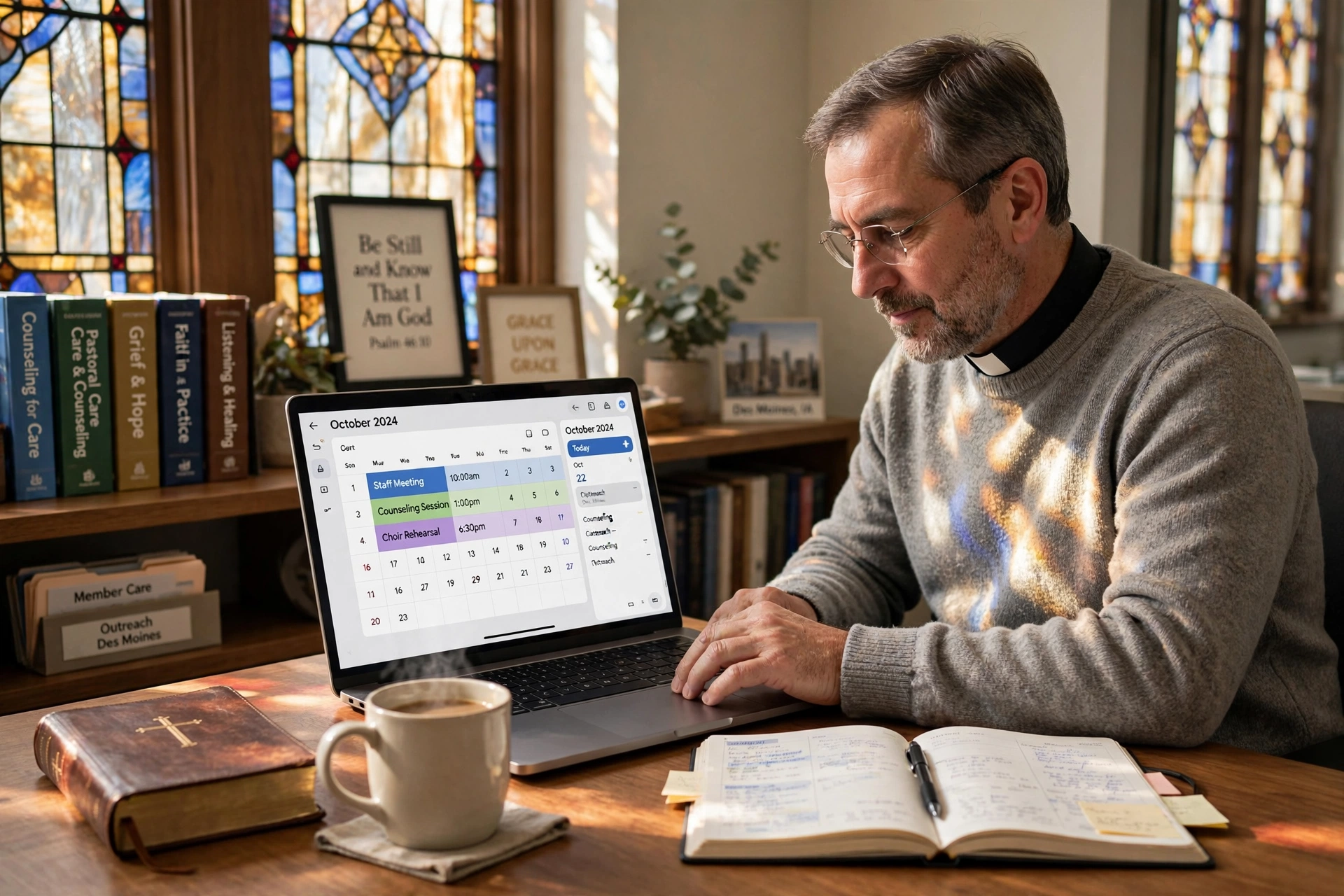
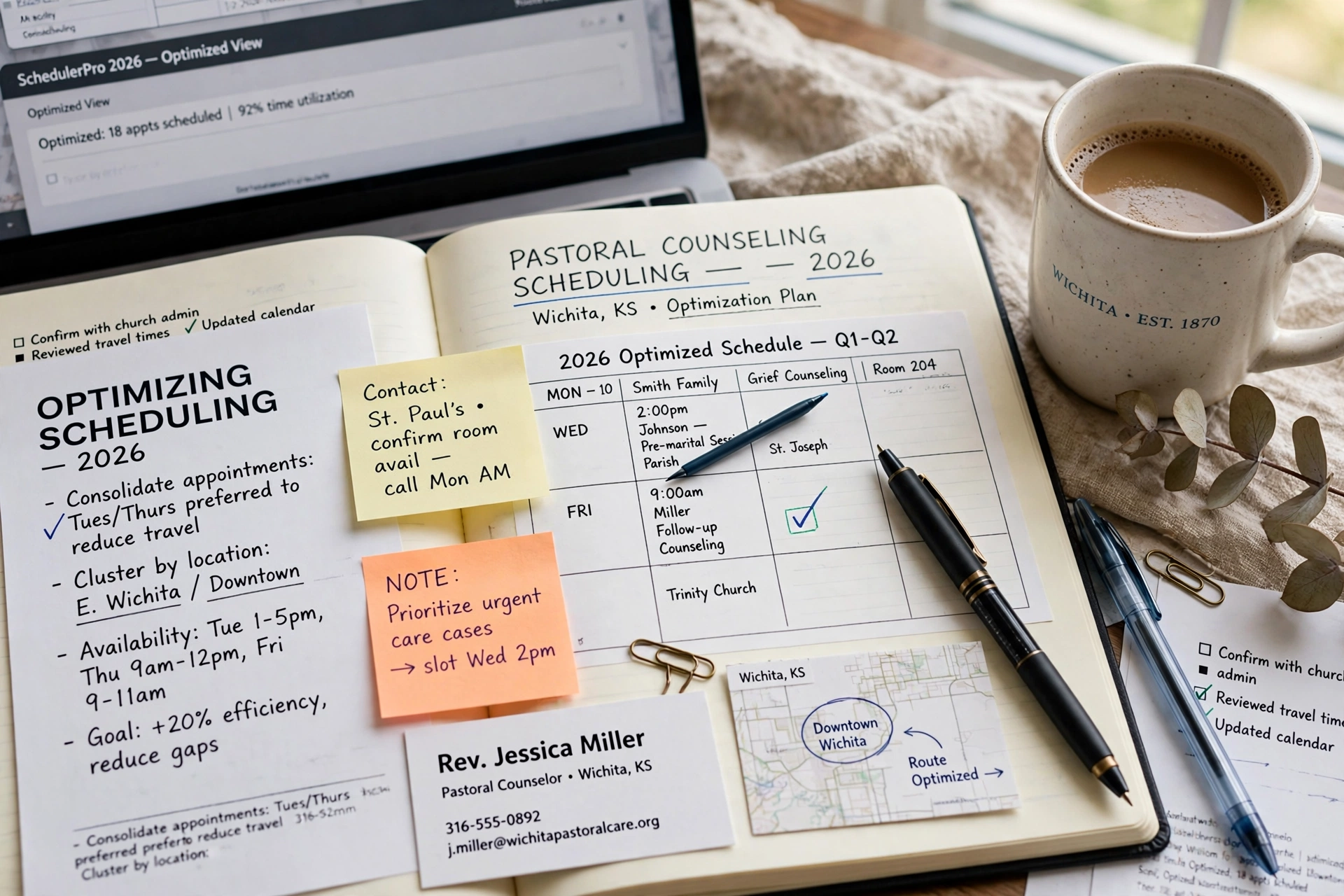
The real cost, however, isn't just the monthly sticker price; it is the "hidden" cost of administrative friction. When a pastor spends ten hours a week manually coordinating pastoral care appointments or chasing down donation records in a spreadsheet, the church is paying a high price in lost ministry time. Investing in a streamlined system is less about adding an expense and more about reclaiming the hours needed for actual spiritual leadership.

Understanding the Pricing Models for Church Management Systems
To determine your budget, you first have to understand how the industry prices these tools. Most providers have moved away from the "perpetual license" model (where you paid once and owned the software) toward SaaS (Software as a Service) models. This shift ensures that the software is always updated and backed up in the cloud, but it introduces recurring monthly or annual costs.
📚
Definition
SaaS (Software as a Service) is a software distribution model in which a cloud provider hosts applications and makes them available to users over the internet, typically via a subscription fee.
Generally, pricing is tiered based on one of three metrics: member count, feature sets, or a flat fee. Member-based pricing is the most common; as your congregation grows, your price increases. This is logically sound because more data requires more storage and support. Feature-based pricing, conversely, locks advanced tools—like integrated accounting or complex automation—behind a "Pro" or "Enterprise" wall.
I've found that the most dangerous pricing trap is the "Free Forever" plan. While appealing to small plants, these often limit the number of records you can store. Once you hit 100 members, you are forced to migrate to a paid plan. If the software isn't flexible, this migration can cause significant data headaches. According to research from Barna Group, the health of a church is often tied to the leader's ability to maintain a connection with the congregation; if your software makes it harder to track those connections as you grow, the tool is actually costing you growth.
Why Investment in Administration Directly Impacts Ministry Growth
It is a common misconception that spending money on software is a "corporate" move that distracts from the Gospel. On the contrary, administrative efficiency is the scaffolding that supports spiritual work. When a church lacks a centralized system, information is siloed. The youth pastor doesn't know that a family in the adult ministry is experiencing a crisis, and the lead pastor is unaware that five new visitors have emailed for a meeting in the last week.
The business impact of this inefficiency is measurable. In the broader nonprofit sector, poor data management leads to significant "leakage" in donor retention and volunteer engagement. According to the National Association of Evangelicals (NAE), effective leadership requires a balance of spiritual oversight and organizational stewardship. When administrative tasks are automated, the "burnout rate" for clergy decreases because they are no longer acting as unpaid data entry clerks.
Furthermore, the risk of non-compliance is a financial burden that far outweighs any subscription fee. Managing contributions manually increases the likelihood of errors in year-end tax statements. A single audit failure or a lost record of a major donation can lead to legal friction and a loss of trust within the congregation. By investing in a system that handles these records with precision, the church protects its reputation and its legal standing.
Practical Application: Choosing and Implementing Your System
Selecting a platform isn't about finding the "best" software on the market; it's about finding the best fit for your specific workflow. The mistake I made early on—and that I see constantly—is choosing a system based on a feature list rather than a daily routine. A church with 50 members doesn't need a complex payroll module; they need a reliable way to schedule counseling and track attendance.
For those focusing on the relational side of ministry, the implementation should follow these steps:
- Audit Your Pain Points: List the three tasks that take the most time each week. Is it scheduling? Is it member communication? Is it tracking giving?
- Define Your Budget Ceiling: Decide on a maximum monthly spend that doesn't compromise your missions or outreach budget.
- Prioritize Ease of Use: If the interface is too complex, your staff and volunteers won't use it. A powerful tool that sits unused is a 100% waste of money.
- Test the Onboarding Process: Look for platforms that offer guided setup. This is where Pastor Agenda excels, providing a streamlined experience specifically for pastors who need to manage their time without becoming IT experts.
- Phase the Rollout: Don't turn on every feature at once. Start with member management, then move to scheduling, and finally to financial tracking.
💡
Key Takeaway
The most expensive software is the one your staff refuses to use. Prioritize a clean user interface and a fast onboarding process over a long list of niche features.

Comparing Your Pricing Options: Manual vs. Generic vs. Specialized
When budgeting, you aren't just comparing different software brands; you are comparing different philosophies of management. Many churches still rely on the "Traditional" approach of spreadsheets and paper ledgers, while others try to force a generic business tool (like a standard CRM) to work for a church.
The following table breaks down the financial and operational reality of these three paths:
| Feature | Traditional Approach (Manual/Paper) | Generic Business Tools (CRM/Excel) | Specialized Church Software (e.g., Pastor Agenda) |
|---|---|---|---|
| Monthly Cost | $0 (direct) / High (indirect labor) | $20 - $100 per user | $50 - $200 flat or tiered |
| Setup Time | Instant | Moderate (requires customization) | Fast (pre-built for ministry) |
| Data Accuracy | Low (prone to human error) | Moderate (manual entry) | High (integrated workflows) |
| Scalability | Nearly impossible | Difficult and expensive | Seamless growth paths |
| Best For | Very small home churches (<20 people) | Tech-savvy leaders with unique needs | Growing churches prioritizing pastoral care |
Now, here's where it gets interesting: generic tools often charge "per user." In a church environment, where you might have 10 volunteers helping with administration, a per-user fee can quickly balloon into an unsustainable expense. Specialized church management software typically offers a more predictable cost structure because they understand the volunteer-driven nature of ministry.
Common Misconceptions About Software Budgeting
Most guides get this wrong by telling you to "just look for the cheapest option." In the world of church administration, "cheap" often becomes "expensive" within twelve months.
Myth 1: "Free software is the best way to start."
The reality is that free tools often lack essential security and backup protocols. If you lose your member data due to a server crash on a free platform, the cost of recovering those relationships is immeasurable. Investing in a paid, secure service is an insurance policy for your congregation's data.
Myth 2: "We are too small to need a management system."
I've seen churches of 30 people struggle with burnout because the pastor is doing everything. You don't implement software because you are big; you implement it so that you can grow without breaking. Automation handles the "maintenance" of the church so you can focus on the "mission."
Myth 3: "The software will do the ministry for us."
Software is a tool, not a strategy. A scheduling system won't make a pastor more empathetic, but it will ensure the pastor isn't late to a hospital visit because they forgot to write it in their planner. The software handles the logistics; the leader handles the people.
Frequently Asked Questions
How do I justify the cost of church management software to my board?
To justify the expense, shift the conversation from "cost" to "capacity." Present the board with a tally of how many hours are currently spent on manual administration—such as manually sending reminders for meetings or reconciling donation spreadsheets. When you show that the software can save 10 to 20 hours of staff time per month, the subscription fee becomes a fraction of the cost of that labor. Frame it as a stewardship issue: by automating the mundane, the church is maximizing the use of its most valuable resource—the leader's time.
Is it better to pay annually or monthly?
Most providers offer a discount (usually 10% to 20%) for annual billing. If your church has a stable budget and a clear financial plan for the year, annual billing is the most fiscally responsible choice. However, if you are a new church plant or experiencing volatile funding, monthly billing provides the flexibility to scale down or switch tools without a massive sunk cost. In my experience, starting monthly for the first 90 days to ensure the tool fits your workflow before committing to a year is the safest strategy.
What are the "hidden costs" I should look out for?
Beyond the subscription, watch for implementation fees, data migration costs, and training charges. Some companies charge a one-time fee to import your old Excel lists into their system. Additionally, check if there are limits on "storage" or "email sends." Some platforms offer a low base price but charge extra if you send more than a certain number of newsletters per month. Always ask for a "fully loaded" price quote that includes all the features your church actually needs to function daily.
Can I use a free CRM instead of specialized church software?
You can, but you will spend a significant amount of time "hacking" the system. Generic CRMs are built for sales pipelines and lead conversion, not pastoral care and spiritual growth. You will find yourself renaming "Leads" to "Visitors" and "Deals" to "Baptisms." While this works for a while, it creates a friction point for volunteers who aren't corporate sales experts. Specialized tools like those offered by Pastor Agenda are designed with the specific terminology and rhythms of the church in mind.
How often should we review our software spending?
I recommend a bi-annual review. Every six months, evaluate whether you are using all the features you are paying for. Many churches accidentally stay on an "Enterprise" plan long after they've stopped using the advanced modules. Conversely, check if your growth has pushed you into a higher tier where a different, more scalable platform might actually be cheaper. This ensures that your digital tools are serving your ministry, rather than your ministry serving the software's billing cycle.
Final Thoughts on Church Management Software
The cost of church management software is a reflection of how you value administrative stewardship. Whether you spend $50 or $500 a month, the goal is to remove the barriers between the pastor and the congregation. When the logistics of scheduling, giving, and communication are handled by a reliable system, the leader is freed from the tyranny of the spreadsheet and returned to the calling of the ministry.
Don't let the fear of a monthly fee prevent you from organizing your house. The most expensive path is the one that leads to burnout and administrative chaos. By choosing a tool designed specifically for the unique needs of the clergy, you ensure that your church is built on a stable operational foundation.
If you are ready to stop fighting with your calendar and start focusing on your people, explore how Pastor Agenda can streamline your ministry today.
Recommended Readings
To deepen your understanding of these topics, we recommend reading the following articles:
- Church appointment booking
- Online Appointment Booking for Modern Churches
- Pastor scheduling
- Pastoral counseling scheduling
Reference Sources
For deeper context on this topic, these sources provide additional authoritative perspectives:
- Wikipedia — general knowledge reference
These references help establish a complete view of the subject matter.
Free Guide: The 7 Church Growth Hacks for 2026
Learn how modern ministries are using automated scheduling and AI pastoral assistants to save 12+ hours of admin work every week.