
How to Streamline Your Ministry: A Guide to Scheduling With Your Pastor
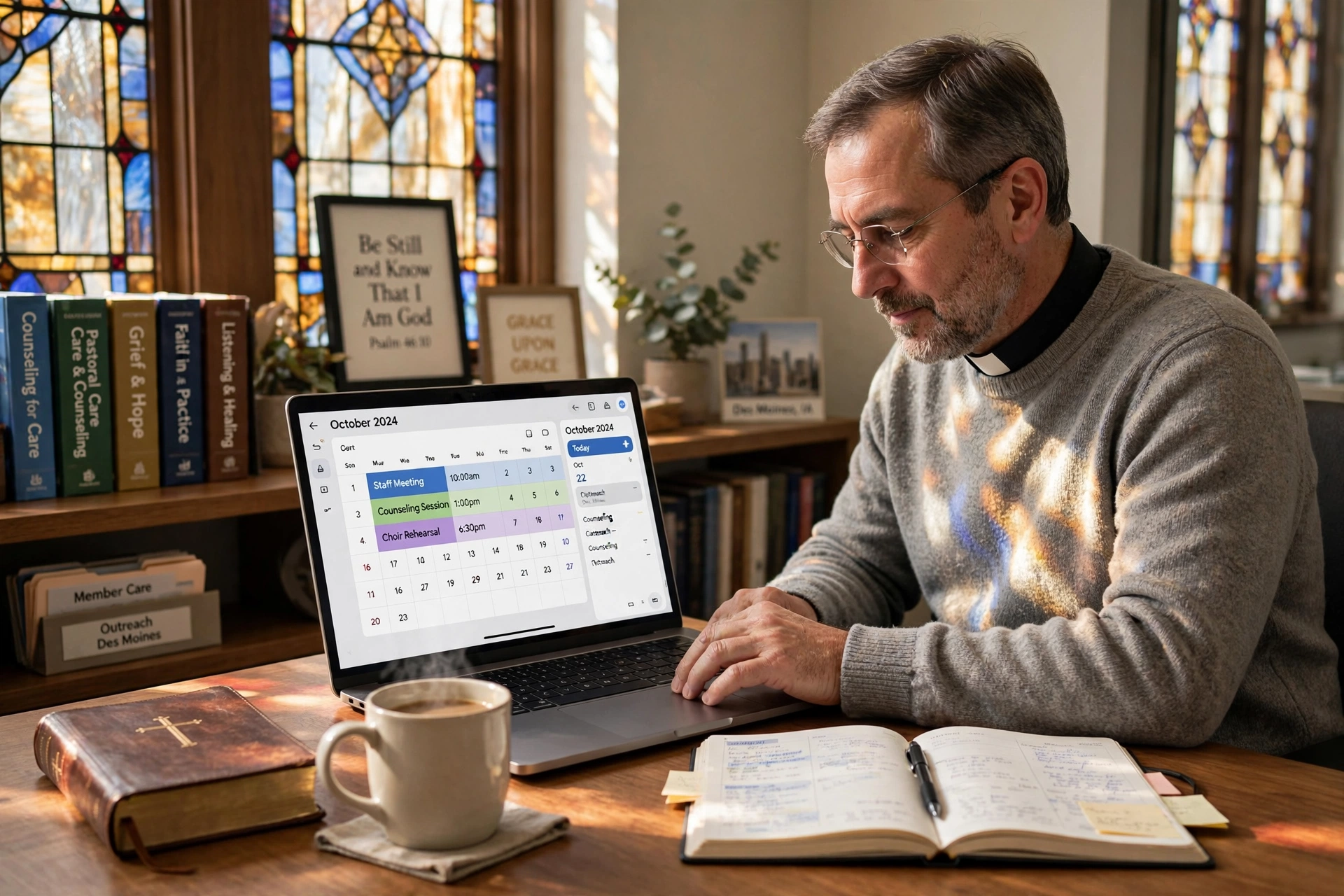
Managing a church calendar often feels like a battle against chaos, where urgent pastoral needs clash with administrative boundaries. To effectively schedule with pastor leadership, you need a centralized, digital system that removes the "middleman" of endless back-and-forth emails and text messages. By implementing a dedicated booking link—such as those provided by Pastor Agenda—congregants and staff can see real-time availability and secure a slot instantly, ensuring that pastoral care is accessible without burning out the minister.

What Exactly Does it Mean to Optimize a Schedule with Pastor Leadership?
When we talk about the process to schedule with pastor figures, we aren't just talking about putting a date on a calendar; we are talking about the intentional management of spiritual and emotional energy. In my experience working with various ministries, the most common failure point is the "open-door policy" taken to a literal extreme, where a pastor's entire day is fragmented by unscheduled interruptions. This fragmentation destroys the deep work required for sermon preparation and strategic leadership.
📚
Definition
Pastoral Scheduling is the strategic allocation of a minister's time across three primary domains: pastoral care (counseling, visits), administrative leadership (staff meetings, governance), and spiritual preparation (study, prayer).
Effective scheduling requires a shift from a reactive mindset to a proactive one. Instead of waiting for a crisis to occur and then scrambling to find a free hour, a professional system allows the pastor to define "office hours" and "sacred blocks." According to the Barna Group, pastor burnout is a systemic issue, often driven by the inability to disconnect from the demands of the congregation. When a pastor has a transparent, automated system, they regain control over their time, which directly impacts their longevity in ministry.
The technical side of this involves integrating a scheduling layer between the pastor's private calendar and the public-facing request. This prevents "calendar leakage," where a member of the church might see a private doctor's appointment or a family commitment. A robust system handles time zones, buffer periods (the 15-30 minutes needed to reset between heavy counseling sessions), and intake forms that qualify the nature of the meeting before it is even confirmed.
Why Does a Formalized System for Scheduling with Pastor Figures Matter?
The implications of a disorganized calendar go far beyond a few missed appointments; they affect the health of the entire church. When there is no clear path to schedule with pastor leadership, the "squeaky wheel" gets the grease. The most vocal members of the congregation often monopolize the pastor's time, while the quiet, struggling members who truly need pastoral care are overlooked because the process is too cumbersome.
Data from Lifeway Research indicates that a significant portion of pastoral stress stems from the tension between administrative burdens and the call to provide spiritual guidance. When a pastor spends four hours a week simply coordinating times for five meetings, they are losing nearly an entire workday to clerical inefficiency. This is time that should be spent in the Bible, in prayer, or in the community.
Furthermore, the psychological impact of "scheduling anxiety" is real for the congregant. When a member is in crisis, the friction of sending an email and waiting three days for a response can feel like an eternity. A self-service scheduling model provides immediate psychological relief; the moment they book the appointment, they have a commitment and a date, which lowers their stress levels instantly.
From a governance perspective, Church Law & Tax emphasizes the importance of boundaries and professional standards in church administration. A formalized scheduling process creates a digital trail of ministry activity, which is essential for reporting, accountability, and ensuring that the pastor is not being overworked to the point of negligence. If a pastor is consistently booking 40 hours of counseling a week, the leadership board can see this data and realize it is time to hire an associate pastor or a licensed counselor to support the mission.
How to Implement a Professional System to Schedule With Pastor Leadership
If you are moving away from the "just text me" method, you need a phased implementation. The mistake I made early on—and that I see constantly—is launching a booking link without setting strict boundaries first. If you open your calendar to the world without constraints, you will simply be "efficiently overwhelmed."
Here is the step-by-step professional approach:
- Audit Your Energy Peaks: Before touching any software, map out your "Deep Work" zones. For most pastors, this is Tuesday and Wednesday mornings for sermon study. Mark these as "Unavailable" or "Private" in your primary calendar.
- Define Meeting Types: Not every meeting is the same. Create specific categories in your scheduling tool:
- Pastoral Counseling (60 mins)
- Quick Check-in (15 mins)
- Hospital/Home Visit (90 mins)
- Staff Sync (30 mins)
- Establish "Buffer Zones": Never allow back-to-back appointments. In Pastor Agenda, you can set mandatory buffers. A 15-minute gap allows a pastor to pray, breathe, and document notes from the previous session before the next person walks in.
- Deploy the Booking Link: Integrate your link into the church website, the weekly newsletter, and the pastor's email signature.
- Implement an Intake Form: Require a brief description of the need. This allows the pastor to prepare mentally and spiritually for the specific struggle the congregant is facing.
💡
Key Takeaway
The goal of automated scheduling is not to remove the personal touch of ministry, but to remove the administrative friction that prevents the personal touch from happening.

By using Pastor Agenda, this entire process is streamlined. Instead of stitching together three different apps, the pastor has a single source of truth. When a member clicks the link to schedule with pastor leadership, they are interacting with a tool specifically designed for the rhythms of a church, not a corporate sales funnel.
Comparing Scheduling Methods: Which is Right for Your Ministry?
Not every church is the same. A small house church has different needs than a multi-site megachurch. However, the evolution of how we handle appointments generally falls into three categories.
| Approach | Pros | Cons | Best For |
|---|---|---|---|
| Manual/Text-Based | Feels "personal" and informal. | High friction, high error rate, causes burnout. | Very small plants (<50 members). |
| Generic Booking Tools | Fast setup, widely known. | No ministry context, feels corporate, lack of privacy. | Individual consultants or side-hustles. |
| Pastor Agenda | Designed for ministry, respects boundaries, high trust. | Requires a small shift in congregational habit. | Growing and established churches. |
Most guides get this wrong by suggesting any free tool will work. Here is the thing: when a person is booking a session for grief counseling or marriage crisis, they don't want to feel like they are booking a demo for a SaaS product. The "vibe" of the scheduling interface matters. A professional ministry tool signals that the pastor values the person's time and is preparing a sacred space for them.
Common Questions and Misconceptions About Digital Scheduling
There are several myths that keep pastors from adopting these systems. Let's dismantle them with data and experience.
Myth 1: "Using a link makes me seem inaccessible or corporate."
Actually, the opposite is true. When a pastor says, "I'm not sure, let me check my calendar and get back to you," they are creating a barrier. When they say, "I want to give you my full attention; please pick a time that works best for you here," they are providing a clear, welcoming path. Accessibility is defined by the ease of the process, not the medium of the request.
Myth 2: "People in my congregation aren't tech-savvy enough for this."
This is a dangerous assumption. In an era where almost every adult uses a smartphone for banking and communication, the ability to click a link and pick a date is a basic skill. In my experience, the only people who struggle are those who are truly incapacitated, and those individuals usually have a spouse or family member who will handle the scheduling for them.
Myth 3: "I can just manage it all in my head or with a paper planner."
This works until the ministry grows. Once you cross the threshold of 100 members, the "mental load" of tracking appointments becomes a significant source of cognitive fatigue. When you offload the "where and when" to a system like Pastor Agenda, you free up mental bandwidth for the "what and why" of the spiritual conversation.
Frequently Asked Questions
How do I prevent people from booking appointments at inconvenient times?
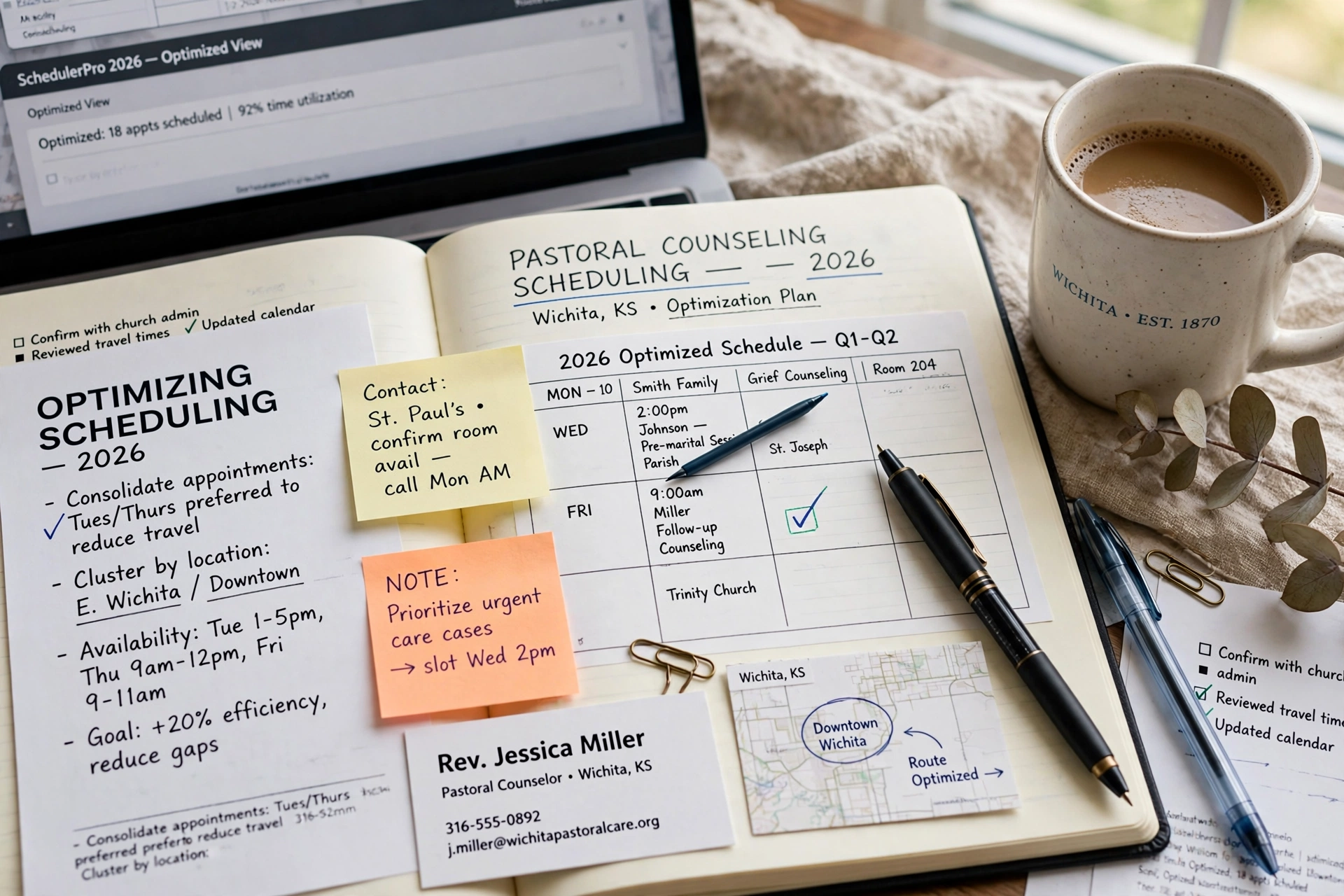
The solution is to use "Availability Windows" rather than opening your entire calendar. In your scheduling settings, you should explicitly define the hours you are available for pastoral care. For example, you might set your availability for Monday from 1:00 PM to 5:00 PM and Thursday from 9:00 AM to 12:00 PM. By doing this, the system only shows those specific slots to the public. If you have a sudden emergency or a family event, you can simply block those hours in your main calendar, and the booking link will automatically update to show those slots as unavailable.
Should I charge for counseling or pastoral care sessions?
In the vast majority of Protestant and Evangelical traditions, pastoral care is provided as a free service to the congregation. However, the "cost" is the pastor's time and emotional energy. While you shouldn't charge a fee, you should implement "commitment boundaries." By using a professional scheduling tool, you can require a confirmation email or a brief intake form. This ensures the person is serious about the appointment and reduces "no-shows," which are an expensive waste of a minister's limited time.
How does a scheduling system help with pastoral confidentiality?
Confidentiality is a cornerstone of the ministry. A professional system ensures that the details of the meeting—such as the reason for the visit—are stored in a secure, private database rather than in a loose notebook or a shared family calendar. When you schedule with pastor leadership via a secure platform, you can control who has access to the appointment notes. This prevents administrative staff or other volunteers from accidentally seeing sensitive information about a congregant's personal struggles.
Can I use these tools for group sessions or committee meetings?
Yes, but the approach is different. While one-on-one pastoral care is about individual slots, committee meetings are about "collective availability." You can use a "Poll" feature or a shared group calendar to find the overlap between five different board members. However, for the actual execution of the meeting, a fixed schedule is best. I recommend setting a "recurring" block for your leadership team so that the schedule is predictable for everyone involved, leaving the flexible slots open for the unpredictable needs of the congregation.
What happens if a congregant needs an immediate emergency appointment?
Digital scheduling is for planned care, not crisis care. Your booking page should clearly state: "For immediate emergencies or crisis intervention, please call [Phone Number] or contact the church office directly." No one in a severe mental health crisis or a sudden bereavement should be asked to navigate a calendar link. The system is there to handle the 90% of needs that are important but not urgent, leaving the pastor's phone line open for the 10% that are critical.
Final Thoughts on Scheduling With Your Pastor
The transition from a chaotic, reactive calendar to a streamlined system is one of the most significant "wins" a ministry leader can achieve. When you optimize how people schedule with pastor leadership, you aren't just organizing a calendar; you are protecting the calling. By removing the administrative noise, you allow the pastor to return to the core of their ministry: spending time with people and studying the Word.
If you are tired of the endless "Does Tuesday work?" "No, how about Wednesday?" cycle, it is time to implement a professional solution. Pastor Agenda provides the exact framework needed to balance accessibility with boundaries, ensuring that the church is cared for and the pastor is sustained.
Stop managing your ministry with tools designed for corporate sales. Move to a system that understands the rhythm of the church. Visit pastoragenda.com today to start reclaiming your time and focusing on what truly matters.
Recommended Readings
To deepen your understanding of these topics, we recommend reading the following articles:
- Church appointment booking
- Online Appointment Booking for Modern Churches
- Church management software
- Pastor scheduling
Reference Sources
For deeper context on this topic, these sources provide additional authoritative perspectives:
- Wikipedia — general knowledge reference
These references help establish a complete view of the subject matter.
Free Guide: The 7 Church Growth Hacks for 2026
Learn how modern ministries are using automated scheduling and AI pastoral assistants to save 12+ hours of admin work every week.