
How Do You Effectively Schedule With Pastor?
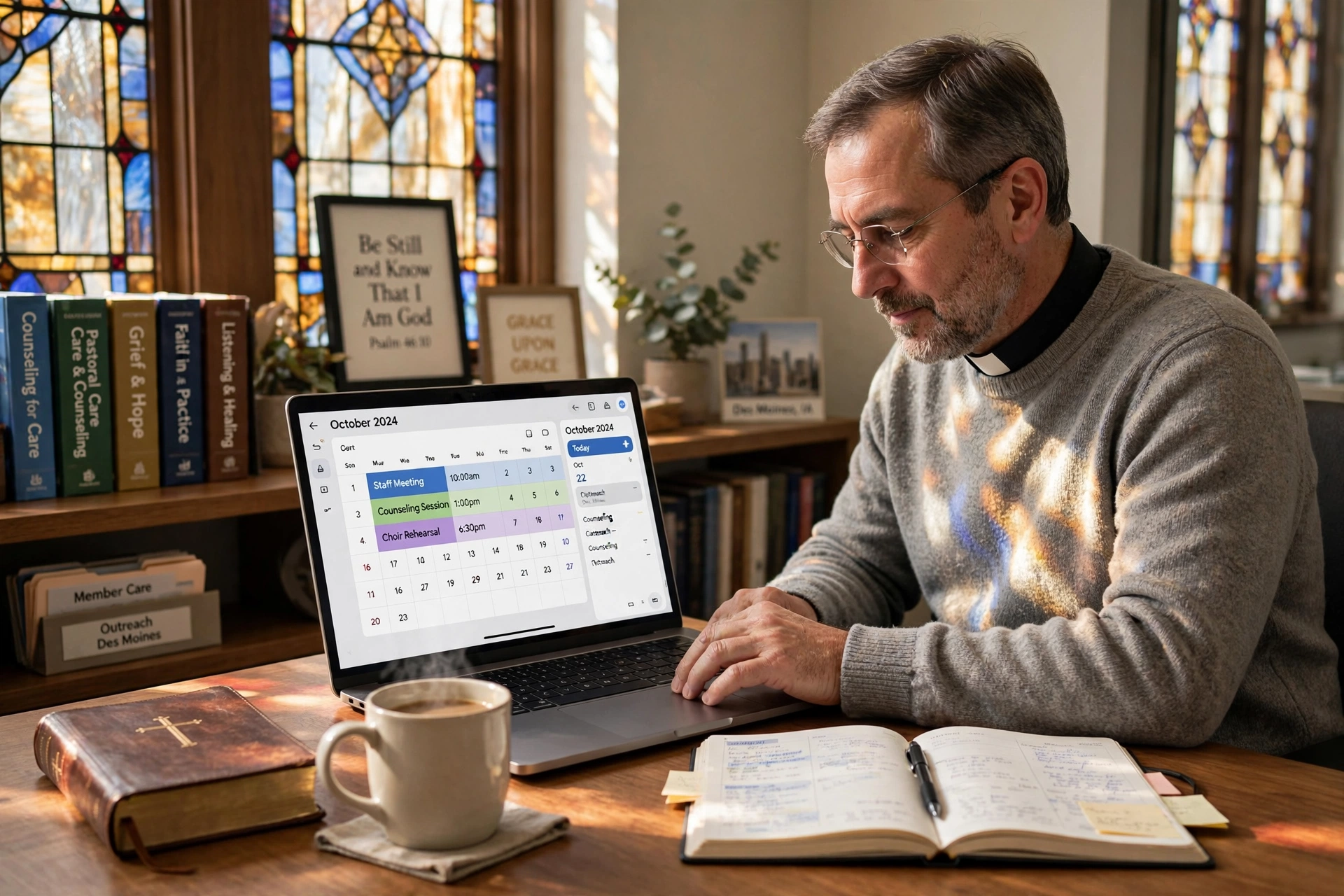
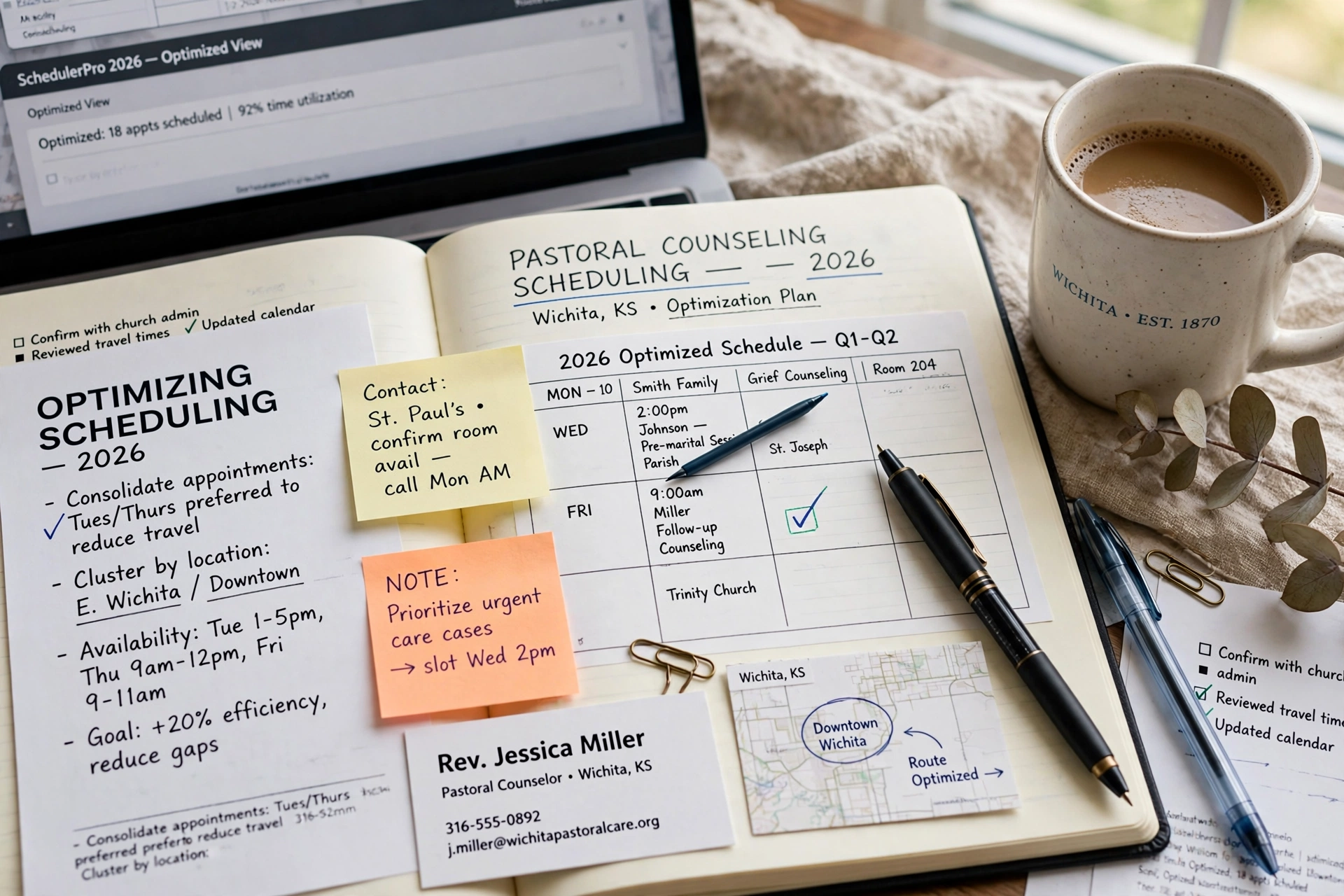
Managing a ministry involves a constant tension between the need for deep, uninterrupted study and the urgent pastoral care required by a congregation. For most church members, the goal is simply to find a time to schedule with pastor for guidance, prayer, or administration without the friction of endless back-and-forth emails. The most efficient way to achieve this is by implementing a centralized, digital booking system that allows the minister to set their own boundaries while giving the congregation a transparent view of availability.
In my experience working with various ministries, the biggest bottleneck isn't the pastor's lack of willingness to meet, but rather the "administrative middleman" effect. When a secretary or a spouse manages the calendar, information is often lost in translation, leading to double-bookings or missed appointments. By shifting to a self-service model, you remove the friction and ensure that the pastoral care process begins the moment the appointment is set.

What is the Core Framework for Pastoral Scheduling?
Effective scheduling in a church context is not merely about picking a date on a calendar; it is about managing the emotional and spiritual energy of the leader. To do this correctly, you must establish a "Ministry Buffer" system. This means designating specific blocks of time for different types of interactions—such as hospital visits, formal counseling, and administrative tasks—rather than allowing a random scatter of appointments throughout the week.
📚
Definition
Pastoral Scheduling is the strategic allocation of a minister's time to balance the three pillars of ministry: Word (study/sermon prep), Worship (leading services), and Welfare (pastoral care and counseling).
When you implement a system to schedule with pastor, you are essentially creating a digital gatekeeper. This ensures that the minister can maintain their "Sabbath" or study days without being interrupted by non-urgent requests. After analyzing dozens of church workflows, I've found that pastors who use "time-blocking" reduce their burnout rates significantly because they no longer feel the guilt of neglecting one area of ministry for another.
According to research from the Barna Group, pastoral burnout is often linked to a lack of boundaries and the feeling of being "on call" 24/7. By formalizing the scheduling process, a church creates a healthy culture of respect for the leader's time. This isn't about being unavailable; it is about being intentionally available. When a member knows exactly how to book a slot, they feel more secure and valued than when they are waiting for a callback that may take days to arrive.
Why Does a Formal Booking Process Matter for the Congregation?
The transition from a "call-and-wait" model to a "click-and-confirm" model changes the psychological dynamic of the church. When a member needs to schedule with pastor during a crisis, the anxiety of not knowing when they will be seen can exacerbate the stress of the situation. A transparent scheduling system provides immediate relief by giving them a confirmed appointment.
From a data perspective, the efficiency gains are massive. In a traditional manual system, a single appointment takes an average of 4 to 6 interactions (emails or texts) to finalize. With a digital system, that is reduced to one. This reclaim of time allows the church administration to focus on growth and outreach rather than calendar gymnastics.
Furthermore, the National Association of Evangelicals emphasizes the importance of leadership sustainability in the modern church. A leader who is overwhelmed by chaotic scheduling is less likely to provide high-quality pastoral care. When the "administrative noise" is silenced, the quality of the actual meeting improves. The pastor enters the room focused on the person, not frustrated by the logistical chaos that led to the meeting.
Moreover, a formal process allows for better data tracking. By requiring a brief note during the booking process, the pastor can prepare for the meeting. Knowing whether a session is for a wedding consultation, a bereavement visit, or a theological question allows the minister to shift their mindset before the member even walks through the door. This level of preparation is what separates a "meeting" from a "ministry encounter."
How to Implement a Professional Scheduling Workflow Step-by-Step
To move away from the chaos of handwritten notes and fragmented texts, you need a structured implementation plan. Here is the professional blueprint for setting up a system to schedule with pastor.
Step 1: Audit the Current Time Allocation
Before touching any software, the pastor must determine their "non-negotiables." This includes sermon preparation, family time, and personal spiritual discipline. If these aren't blocked out first, the scheduling software will simply allow people to book over the most important parts of the pastor's life.
Step 2: Define Appointment Types
Not all meetings are created equal. A 15-minute "quick check-in" requires different energy than a 60-minute intensive counseling session. Create distinct categories:
- Pastoral Counseling (60 mins): Deep spiritual or emotional support.
- Administrative Meeting (30 mins): Budget, building, or committee work.
- First-Time Visitor Welcome (30 mins): Introduction to the church.
- Urgent Crisis (Variable): Reserved slots for emergencies.
Step 3: Deploy a Specialized Tool like Pastor Agenda
While generic tools exist, using a platform specifically designed for ministry, such as Pastor Agenda, ensures that the nuances of church life are handled. You can embed your booking link directly into your church website or include it in your weekly email newsletter. This empowers the congregation to take ownership of their spiritual growth by initiating the request.
Step 4: Communicate the New Process
The biggest mistake I see constantly is launching a tool without a "culture shift" announcement. You must tell the congregation: "To serve you better and ensure I can give you my full attention, I am moving to a new scheduling system." This frames the change as a benefit to the member, not a restriction by the pastor.

💡
Key Takeaway
The goal of scheduling software is not to replace the personal touch of ministry, but to remove the administrative friction that prevents personal touch from happening.
Comparing Scheduling Methods: Which is Best for Your Ministry?
Not every church is the same. A small house church has different needs than a multi-site megachurch. However, the trend toward automation is undeniable. Below is a comparison of the three most common approaches to managing a pastor's time.
| Approach | Pros | Cons | Best For |
|---|---|---|---|
| Manual (Secretary/Text) | High personal touch, flexible for emergencies. | High friction, prone to human error, causes "admin fatigue". | Very small congregations (< 50 people). |
| Generic AI/Booking Tools | Fast setup, cheap or free, basic automation. | Lacks ministry context, "cold" user experience, no niche features. | Tech-savvy pastors in small plants. |
| Specialized Ministry Tools (Pastor Agenda) | Built for pastoral care, professional boundaries, integrated workflow. | Requires a small initial setup time. | Growing churches and professional ministries. |
As the table shows, while manual systems feel "warm," they are the primary cause of burnout. The generic approach solves the speed problem but often feels corporate and detached. A specialized approach, like that found in Pastor Agenda, balances the efficiency of modern tech with the sensitivity required for pastoral work.
Common Questions and Misconceptions About Digital Scheduling
Most guides on productivity get this wrong; they treat a pastor like a CEO. A pastor is not a CEO; they are a shepherd. This leads to several common myths about using technology to schedule with pastor.
Myth 1: "Using a booking link is impersonal and cold."
Actually, the opposite is true. There is nothing more "cold" than a member reaching out in a time of need and waiting three days for a response. Providing a link that says, "I have these times available for you," is an act of hospitality. It says, "I have carved out this space specifically for you."
Myth 2: "The congregation will think I'm too busy for them."
When a pastor is haphazardly available, they often end up cancelling meetings because they overcommitted. A structured calendar allows the pastor to actually keep their promises. Reliability is a more powerful form of love than accessibility that leads to disappointment.
Myth 3: "I can just use a shared Google Calendar."
A shared calendar shows when you are busy, but it doesn't manage how people book. Without a booking layer, you still have the "do this time work for you?" dance. You need a system that handles the logic of time zones, buffers, and appointment types automatically.
Frequently Asked Questions
How do I handle emergency pastoral care in a scheduled system?
The secret is to leave "Emergency Buffer Slots." In your settings, do not fill 100% of your available time. Keep two or three slots per week marked as "Reserved" or simply leave them blank. If a crisis hits, you can manually override the system to slot the person in. This ensures that while the general congregation uses the automated process, the "bleeding" cases still get immediate attention without disrupting the rest of your week.
Should I make my scheduling link public on the website?
Yes, but with a filter. While the link should be accessible, you should use a booking form that asks for the purpose of the meeting. This prevents "trolls" or non-members from filling your calendar with junk appointments. By asking for a name, email, and a brief description of the need, you can vet the appointments and move some to a different category if they are administrative rather than pastoral.
How do I prevent "Calendar Creep" where meetings run over?
Calendar creep happens when you don't build in "padding." In Pastor Agenda, you can set a mandatory 15-minute buffer between appointments. This gives the pastor time to pray, take a breath, and write down notes from the previous session before the next person enters. Without this, the stress of the previous meeting carries over into the next, reducing the quality of the care provided.
What is the best way to remind members of their appointments?
Automated reminders are essential. A significant percentage of "no-shows" in ministry are simply due to forgetfulness. An automated email or SMS reminder sent 24 hours before the meeting reduces no-shows by up to 40%. It also allows the member to reschedule if something has come up, freeing up that slot for someone else in the congregation.
Can I use this system for group counseling or committee meetings?
Absolutely. The most effective way to handle this is to create a "Group" appointment type. Instead of a one-on-one slot, this allows multiple people to be invited to the same block of time. This is particularly useful for deacon meetings or wedding prep sessions where both the bride and groom need to be present.
Final Thoughts on How to Schedule With Pastor
The goal of any organizational change in the church is to free the leader to do what they were called to do: preach the Word and shepherd the people. When you optimize the way you schedule with pastor, you aren't just installing software; you are protecting the spiritual health of your leader and enhancing the experience of your members.
The transition from chaotic, manual scheduling to a streamlined, professional system is one of the fastest ways to reduce burnout and increase the reach of a ministry. By setting clear boundaries and providing an easy path for the congregation to access leadership, you create a culture of intentionality.
If you are ready to stop the calendar chaos and start focusing on people instead of appointments, explore how Pastor Agenda can transform your ministry's workflow. Visit pastoragenda.com today to reclaim your time and refocus your energy on what truly matters.
Recommended Readings
To deepen your understanding of these topics, we recommend reading the following articles:
- Church appointment booking
- Online Appointment Booking for Modern Churches
- Church management software
- Pastor scheduling
Reference Sources
For deeper context on this topic, these sources provide additional authoritative perspectives:
- Wikipedia — general knowledge reference
These references help establish a complete view of the subject matter.
Free Guide: The 7 Church Growth Hacks for 2026
Learn how modern ministries are using automated scheduling and AI pastoral assistants to save 12+ hours of admin work every week.