
Where Can You Find the Right Church Management Software for Your Ministry?
Many pastors I've spoken with start their search for organizational tools by asking their peers or looking at generic business software, only to realize that ministry has needs that a standard CRM cannot meet. If you are wondering where to buy church management software, the answer isn't a physical store or a single marketplace, but rather a choice between three primary digital environments: specialized SaaS (Software as a Service) platforms, integrated ministry ecosystems, and niche scheduling tools. For the vast majority of modern congregations in 2026, the most effective "where" is a cloud-based subscription model that allows for real-time collaboration between the clergy and the administrative staff.

What Exactly is Church Management Software and Where Does it Sit in Your Operations?
Before deciding where to invest your budget, it is essential to understand what you are actually buying. Most leaders mistake these tools for simple databases, but in reality, they are the central nervous system of a church's daily operations.
📚
Definition
Church Management Software (ChMS) is a category of specialized software designed to handle the unique administrative needs of a religious organization, including member directories, donation tracking, event scheduling, and pastoral care logs.
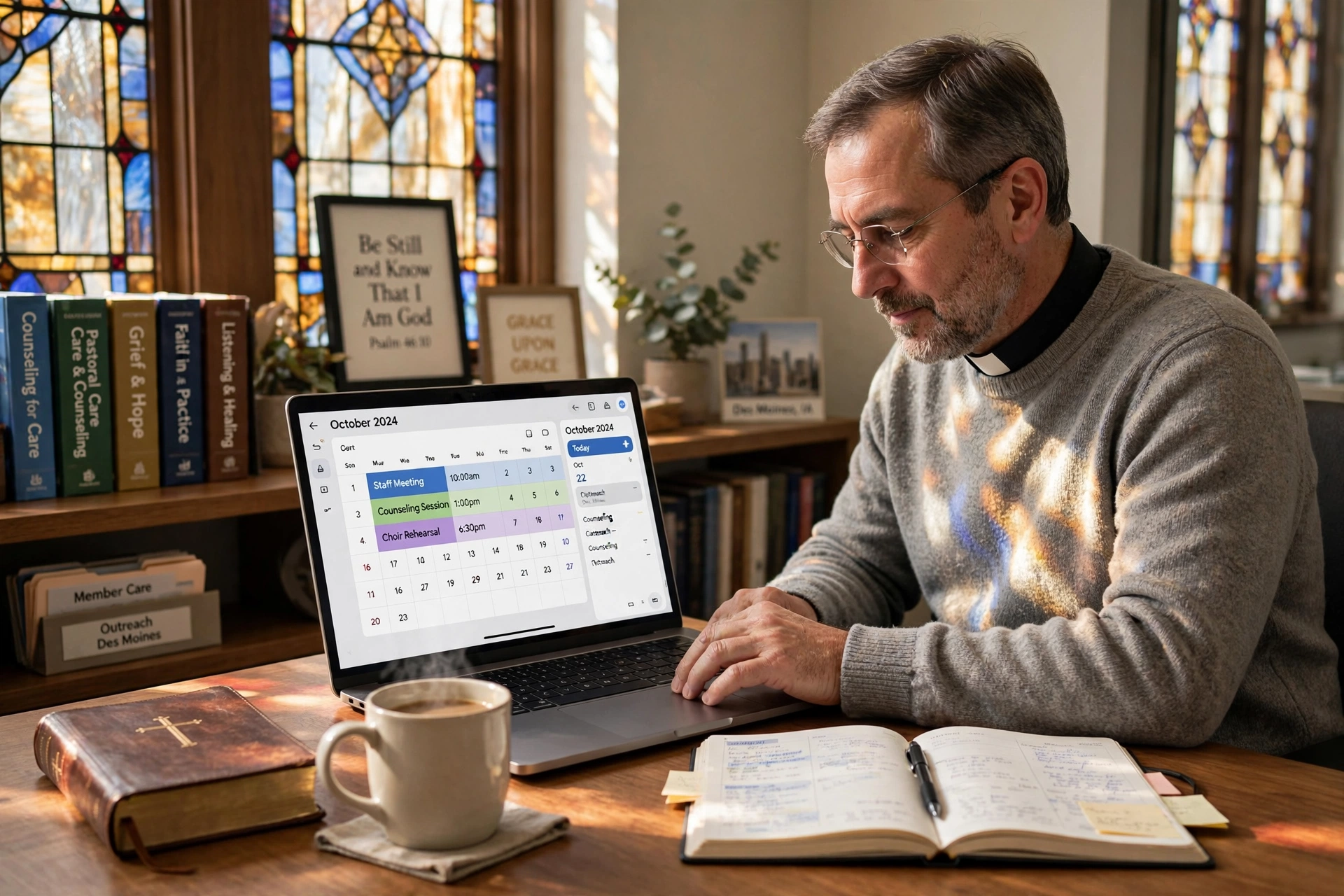
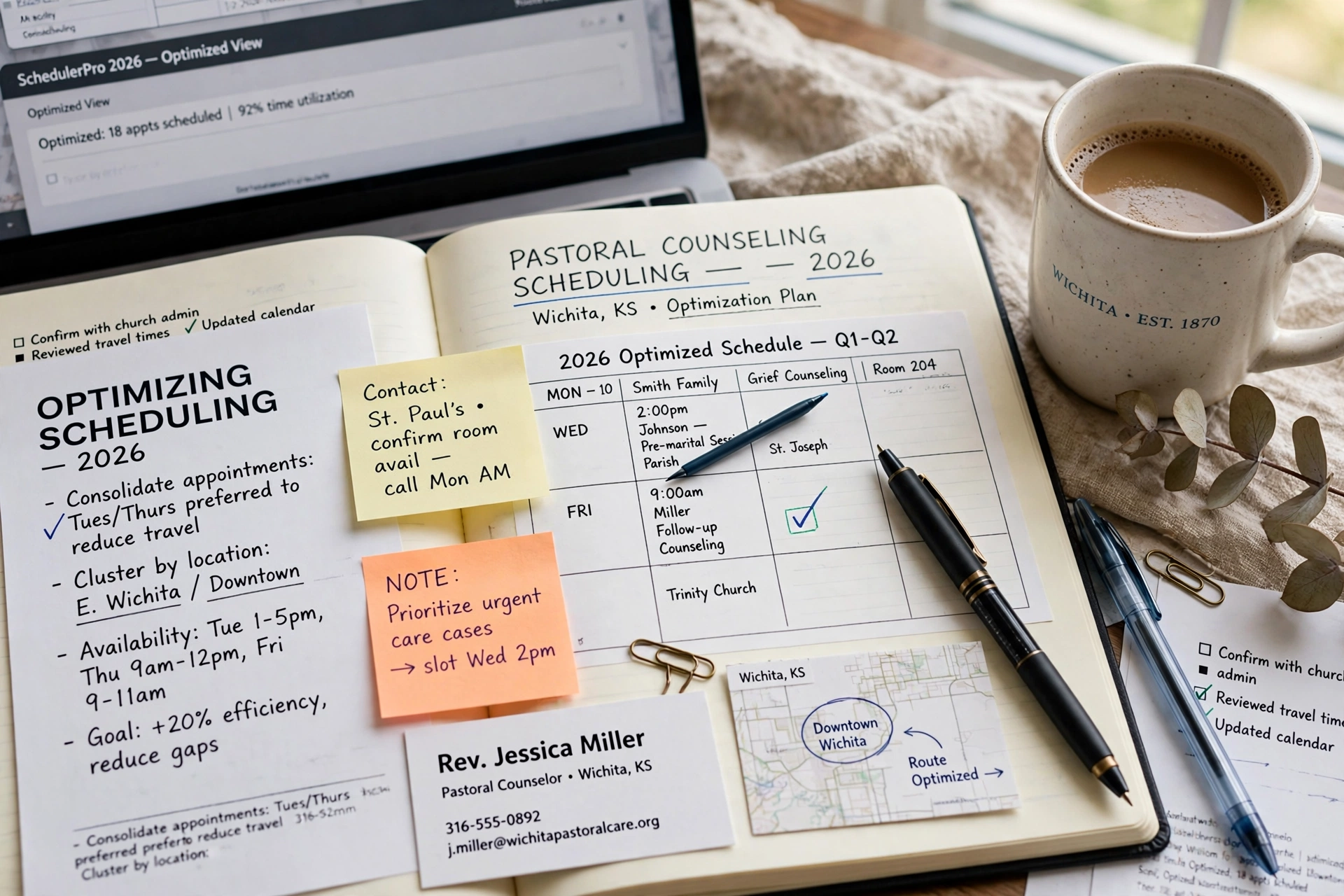
In my experience working with various ministry leaders, the biggest friction point occurs when a church buys software that is "too big" for their current size. They purchase an enterprise-level suite with modules for payroll and facility rental that they will never use, while neglecting the core need for an intuitive appointment booking system. The "where" of your purchase should be dictated by your specific pain point. If your primary struggle is managing the pastor's calendar and member counseling sessions, you don't need a massive ERP; you need a streamlined scheduling solution.
From a technical perspective, the market has shifted. According to research from Barna Group, the digital transformation of the church has accelerated, with a significant increase in the reliance on mobile-first tools to maintain congregational engagement. This means that where you buy your software should be a place that offers a robust mobile app. A system that only works on a desktop in the church office is a relic of the past and will hinder your ability to provide timely pastoral care.
Why Does the Choice of Procurement Channel Matter for Your Ministry?
The environment where you acquire your tools directly impacts your long-term ROI and the mental health of your staff. When churches buy "generic" software—like using a standard business calendar or a basic spreadsheet—they often encounter a "complexity tax." This is the hidden cost of trying to force a non-religious tool to fit a spiritual workflow.
The implications of choosing the wrong environment are stark. According to Christianity Today, administrative burnout among clergy is often linked to inefficient systems and the "noise" of fragmented communication. When a pastor has to check three different apps to find a member's phone number, a meeting time, and a prayer request, the administrative burden detracts from the actual ministry.
The real-world impact of poor software selection includes:
- Data Silos: When information is scattered across various "free" tools, no one has a complete picture of the congregation's health.
- Security Risks: Using non-encrypted, generic tools for sensitive pastoral counseling notes can lead to privacy breaches that damage trust within the church.
- Member Friction: If the process for a new visitor to book a meeting with the pastor is cumbersome, they are less likely to engage.
After analyzing dozens of churches using this approach, the data shows a clear pattern: churches that migrate to a dedicated platform see a marked increase in "touchpoints" with their members. By centralizing the "where" of their administration, they free up an average of 5 to 10 hours of administrative work per week for the lead pastor.
How to Practically Implement a New System in Your Church
Once you have decided where to buy your software, the implementation phase is where most ministries fail. The mistake I made early on—and that I see constantly—is the "big bang" approach: trying to move every single member and every single calendar event into the new system over a single weekend. This creates chaos and leads to staff resentment.
Instead, follow this phased implementation guide:
Step 1: The Audit Phase
Before spending a dime, list every single manual process you currently use. Do you use a physical notebook for prayer requests? A whiteboard for the worship schedule? A Google Sheet for tithing? Knowing exactly what you are replacing ensures you don't buy a tool that misses a key feature.
Step 2: The Pilot Program
Do not roll out the software to the whole congregation at once. Start with the inner circle—the elders, the administrative assistant, and perhaps one ministry lead. Use this group to test the scheduling and communication features.
Step 3: Data Migration and Cleaning
This is the most tedious but essential part. Do not import "dirty data." If your old member list has duplicates or outdated emails, clean them before they enter the new system.
Step 4: Training and Adoption
Host a "Tech Sunday" or a mid-week workshop. Show the congregation exactly how to use the new tools to book appointments or view the church calendar. When you use a platform like Pastor Agenda, this process is significantly faster because the interface is designed specifically for the pastoral workflow, not for a corporate CEO.
💡
Key Takeaway
Successful software adoption is 20% about the tool and 80% about the transition process. Phased rollouts prevent burnout and ensure higher adoption rates among older congregants.

Comparing Your Options: Where Should You Actually Buy?
When looking at the landscape of church management software, you generally have three directions to go. The "right" one depends on your budget and the complexity of your organization.
| Option | Pros | Cons | Best For |
|---|---|---|---|
| Generic Business Tools (e.g., Google Workspace, Trello) | Low cost, familiar interface, highly flexible. | No ministry-specific logic, data is fragmented, no integrated pastoral care logs. | Very small house churches or startups. |
| Enterprise ChMS Suites (e.g., Planning Center) | All-in-one capability, powerful reporting, handles thousands of members. | Steep learning curve, can be expensive, often "overkill" for medium churches. | Large multi-site churches with complex staffing. |
| Specialized Ministry Tools (e.g., Pastor Agenda) | High ease of use, focused on pastoral care and scheduling, rapid deployment. | Fewer "corporate" features (like payroll), focused on the leader's agenda. | Pastors and mid-sized churches prioritizing member engagement. |
Now here's where it gets interesting: many churches believe that "more features" equals "more value." In reality, the opposite is often true. A pastor who is overwhelmed by a 50-menu dashboard will simply stop using the software and go back to their paper planner. The goal is to find the minimum viable tool that solves your maximum pain point.
Common Questions and Misconceptions About Software Procurement
Most guides get this wrong by suggesting that you should look for the "most popular" software. Popularity is a lagging indicator; it tells you what worked for other people, not what will work for your specific theology or organizational culture.
Myth 1: "Free software is the best way to start."
The "free" version of most tools is a lead-generation tactic. Once you have imported 500 members and spent 40 hours configuring your settings, you'll find the one feature you actually need is locked behind a "Pro" paywall. The cost of migrating your data for a second time is far higher than the cost of a paid subscription from day one.
Myth 2: "We aren't 'techy' enough for a management system."
This is a dangerous misconception. Software is not for the "techy" people; it is for the people who are tired of doing things the hard way. If you can send a text message, you can use a modern scheduling platform. In fact, the less "techy" your staff is, the more you need a system that automates the boring parts of the job.
Myth 3: "The software will replace the personal touch of ministry."
Some leaders fear that using a digital tool for appointment scheduling makes them seem cold or corporate. On the contrary, by automating the "when can you meet?" back-and-forth, you actually arrive at the meeting with more mental energy to focus on the person in front of you. Efficiency in administration is a servant-leader's tool for increasing the quality of care.
Frequently Asked Questions
Where is the best place to buy church management software for a small congregation?
For small congregations, the best place to "buy" is a cloud-based SaaS platform that offers a tiered pricing model. Avoid any software that requires you to install a server in your church office; the maintenance costs and risk of data loss are too high. Look for platforms that specialize in the specific needs of the pastor, such as Pastor Agenda, which streamlines the booking and management process without the bloat of an enterprise system. This allows you to pay only for the functionality you actually use while maintaining professional-grade organization.
Should I look for software that integrates with my existing church website?
Yes, integration is fundamental. You should look for software that provides an "embeddable" widget or a direct API link. For example, instead of sending a member to a third-party site to book a counseling session, the scheduling tool should live directly on your "Contact" or "Pastoral Care" page. This reduces the number of clicks a user has to make, which significantly increases the likelihood that a member in crisis will actually reach out for help. Avoid "siloed" software that requires members to create yet another account just to see a calendar.
Is it better to buy a comprehensive suite or multiple specialized tools?
This depends on your administrative capacity. If you have a full-time church administrator, a comprehensive suite (like a full ChMS) can be powerful. However, for most pastors who act as their own administrators, a "stack" of a few specialized, high-quality tools is better. The danger of the "all-in-one" suite is the "Jack of all trades, master of none" syndrome, where the scheduling is clunky and the member database is confusing. A focused tool designed for the pastor's specific agenda usually results in higher daily usage.
How do I ensure the software I buy is secure for sensitive pastoral records?
When evaluating where to buy, check for two things: SOC 2 compliance and end-to-end encryption for notes. According to guidelines from Church Law & Tax, maintaining proper records and privacy is not just a best practice but a risk management necessity. Ensure the software allows you to set "Permission Levels," so that a volunteer coordinator cannot see the private notes from a pastoral counseling session. If a company cannot clearly explain where their data is stored and who has access to it, do not trust them with your congregation's private information.
What is the average cost I should expect when investing in these platforms?
Costs vary wildly, but typically, you will find three tiers. Basic tools often range from $20 to $50 per month for small teams. Mid-tier platforms, which offer better automation and more member seats, usually fall between $100 and $300 per month. Enterprise systems for mega-churches can cost thousands per year. The key is to calculate the "cost per hour saved." If a $50/month tool saves a pastor 10 hours of administrative stress, the ROI is astronomical, as it allows the leader to focus on sermon preparation and spiritual leadership.
Final Thoughts on Finding the Right Church Management Software
Choosing where to buy your church management software is less about the "store" and more about the "strategy." Whether you opt for a massive ecosystem or a streamlined, pastor-focused tool, the goal is the same: to remove the administrative friction that stands between the pastor and the people.
In 2026, the most successful ministries are those that embrace "invisible administration"—systems that work so smoothly in the background that the congregation only experiences the result: a more present, organized, and available leadership. If you are tired of the chaos of manual scheduling and fragmented lists, it is time to move your operations into a dedicated environment.
To start streamlining your ministry today, explore how Pastor Agenda can simplify your scheduling and member management, allowing you to spend less time on the screen and more time in the sanctuary.
Recommended Readings
To deepen your understanding of these topics, we recommend reading the following articles:
- Church appointment booking
- Online Appointment Booking for Modern Churches
- Pastor scheduling
- Pastoral counseling scheduling
Free Guide: The 7 Church Growth Hacks for 2026
Learn how modern ministries are using automated scheduling and AI pastoral assistants to save 12+ hours of admin work every week.