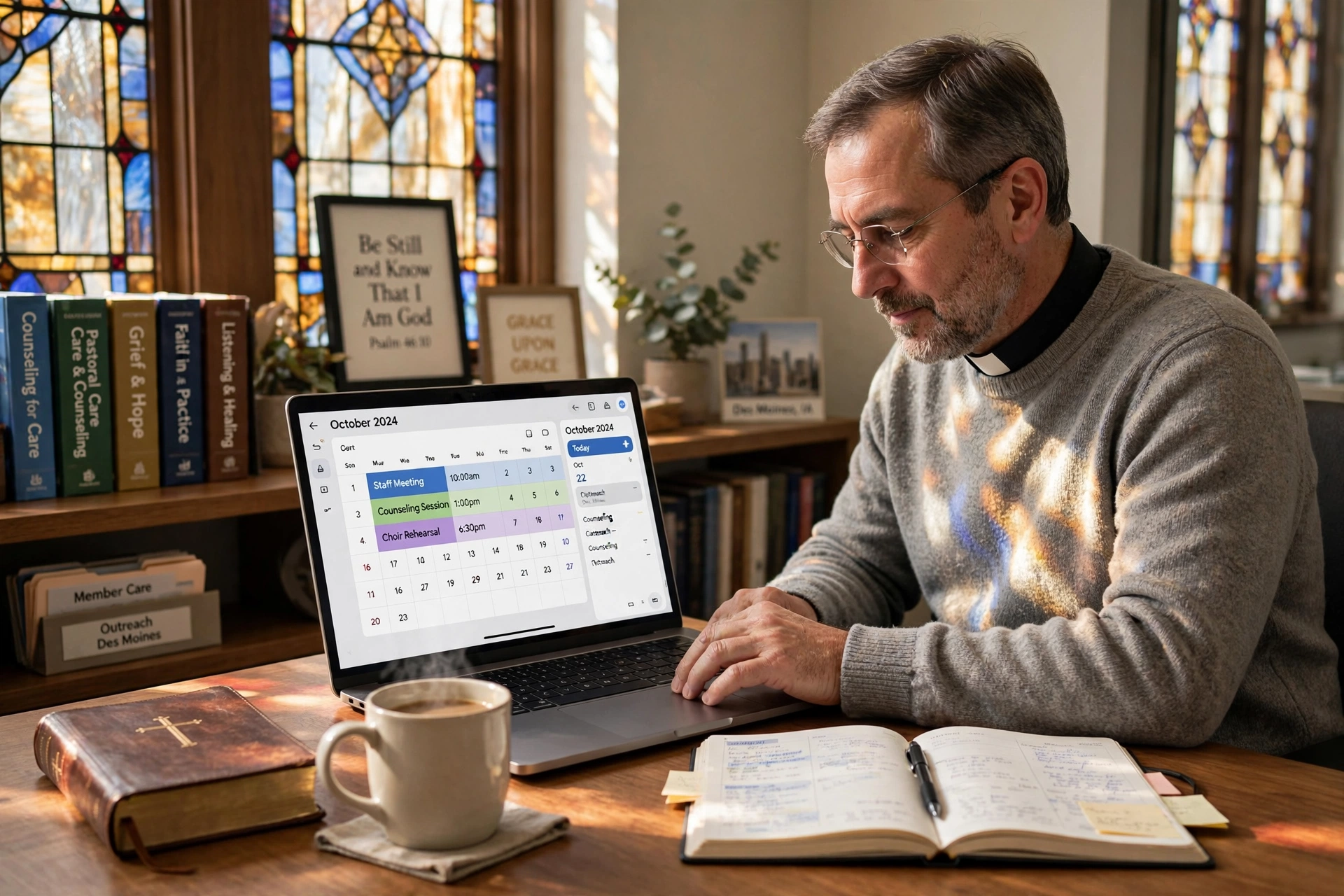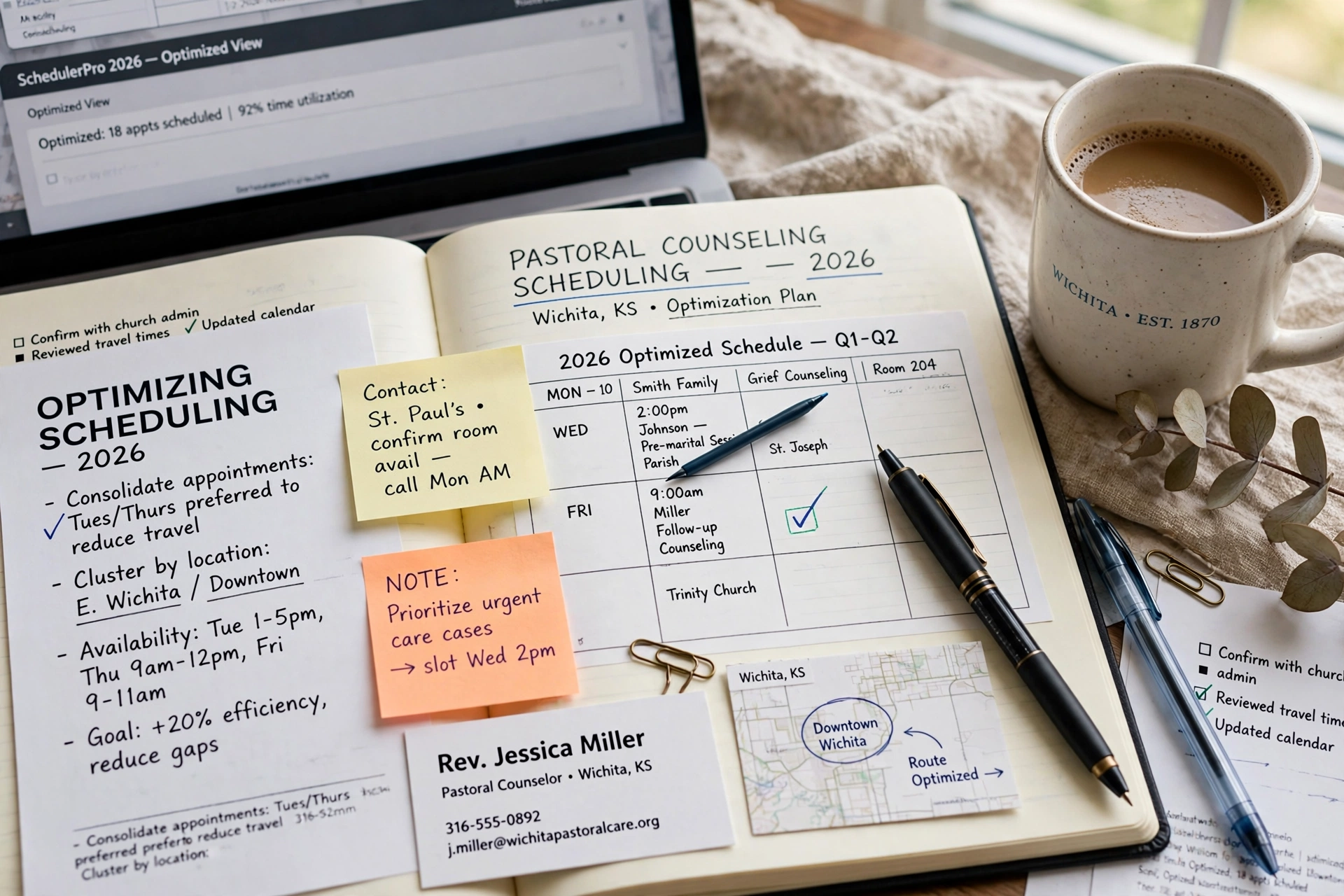

Managing the emotional and spiritual needs of a congregation in the Hostess City requires more than just a willing heart; it requires a functional system. For those seeking efficient pastoral counseling scheduling in Savannah, the solution lies in transitioning from manual calendars to dedicated appointment booking software that synchronizes with the unique rhythms of ministry. By implementing a digital interface, Savannah-based ministers can eliminate the back-and-forth of phone tag, ensure boundary-setting for their personal lives, and provide immediate access to care for congregants in crisis.
In my experience working with faith leaders across Georgia, the most common breaking point isn't a lack of compassion, but a collapse of administrative infrastructure. I have seen pastors in Savannah struggle to balance their duties between the historic downtown districts and the expanding suburban reaches, often losing hours of their week simply trying to coordinate a single 30-minute counseling session. When we developed the framework for Pastor Agenda, we focused specifically on this friction, discovering that a streamlined scheduling process directly correlates to a reduction in pastoral burnout.
Why Savannah Ministries Are Adopting Digital Scheduling?
Savannah's unique demographic blend—ranging from historic established congregations to a growing population of young professionals and students—creates a diverse set of expectations regarding accessibility. Modern congregants expect the same ease of booking a counseling session that they experience when scheduling a medical appointment or a dinner reservation. This shift in consumer behavior is mirrored in broader trends; according to research by the Barna Group, there is an increasing demand for flexible, accessible spiritual leadership as traditional attendance patterns evolve. When a member of a congregation in Savannah experiences a crisis on a Tuesday evening, waiting until Sunday morning to request a meeting is often an unacceptable delay.
Furthermore, the geographical layout of Savannah, with its iconic squares and traffic congestion, makes physical coordination a logistical challenge. Ministers often find themselves traversing the city for multiple appointments, only to find that a congregant has forgotten the meeting. This inefficiency is not just a waste of time; it is a waste of spiritual resources. According to the National Association of Evangelicals, the health of a ministry is often tied to the pastor's ability to maintain a sustainable pace of life. In 2026, the adoption of digital tools is no longer about "tech-savviness" but about stewardship. By automating the administrative burden, pastors can dedicate more mental energy to the actual act of counseling rather than the logistics of the calendar.

What Are the Key Benefits of Automated Counseling Scheduling?
Transitioning to an automated system for pastoral counseling scheduling in Savannah provides immediate relief across three primary domains: time management, congregant experience, and mental health for the leader. The traditional method of "text me and we'll find a time" creates a cognitive load that drains a minister's energy before the session even begins. Automation removes this friction entirely.
Elimination of Administrative Friction
When a congregant can see a pastor's real-time availability, the scheduling process is reduced from five emails to a single click. This is especially fundamental for pastoral care, where the need for a meeting is often urgent. By providing a direct link to a booking page, the minister signals that they are available and organized. This professionalism fosters trust. In practice, this means the pastor no longer spends their Monday mornings playing "calendar tetris," but instead spends that time in prayer or sermon preparation.
Enhanced Boundary Setting
One of the greatest risks in ministry is the erosion of personal boundaries. Without a structured system, pastors often feel pressured to accept appointments at odd hours or during their designated days of rest. A scheduling tool allows the minister to set strict "office hours," ensuring that family time remains sacred. This is not an act of unavailability, but an act of sustainability. As noted by Christianity Today, the longevity of a pastor's career is heavily dependent on their ability to detach from the constant demands of the congregation.
Reduction in No-Shows
Manual reminders are often forgotten. Automated systems, however, send instant confirmations and timely reminders via email or SMS. For counseling sessions, which are often emotionally heavy and stressful for the congregant, a gentle reminder can be the difference between a missed appointment and a breakthrough in care. We have observed that automated reminders can reduce no-shows by as much as 40% in high-volume ministries.
💡
Key Takeaway
Automated scheduling transforms the pastor's role from an administrative coordinator back into a spiritual shepherd by reclaiming lost hours and enforcing healthy boundaries.
| Feature | Manual Scheduling | Generic AI Tools | Pastor Agenda Approach |
|---|---|---|---|
| Booking Speed | Slow (Multiple messages) | Fast but impersonal | Fast and ministry-focused |
| Boundary Control | Low (Constant requests) | Moderate (Fixed slots) | High (Custom ministry rhythms) |
| No-Show Rate | High (Forgotten apps) | Medium (Generic alerts) | Low (Pastoral-toned reminders) |
| User Experience | High Friction | Sterile/Corporate | Warm and Accessible |
Real-World Examples of Scheduling Shifts in Savannah
To understand the impact of professionalizing the booking process, we can look at two distinct scenarios encountered by ministries in the Savannah area.
Case Study 1: The Historic Downtown Congregation
A mid-sized church in downtown Savannah was relying entirely on a physical ledger and a secretary's memory to track counseling sessions. The result was frequent double-bookings and a high level of stress for the lead pastor, who often arrived at the office to find two people waiting for the same slot. After implementing a digital scheduling system, the church saw a 30% increase in the number of people receiving care simply because the gaps in the calendar were visible and easily filled. The secretary reclaimed roughly 6 hours per week that were previously spent on phone coordination, allowing her to focus on deeper congregational outreach.
Case Study 2: The Multi-Point Ministry
A visiting minister serving three different small congregations across the Savannah-Chatham area struggled with the logistics of travel and timing. He spent nearly 15% of his weekly work hours just coordinating dates across three different calendars. By consolidating his availability into a single, public-facing booking link, he eliminated the need for cross-referencing. The result was a streamlined workflow where he could batch his appointments by neighborhood, reducing his weekly travel time by nearly 4 hours and significantly lowering his fuel costs and mental fatigue.
How to Get Started with Pastoral Counseling Scheduling?
Implementing a new system can feel overwhelming, but the process is straightforward when approached logically. The goal is to move the scheduling burden from the human to the software without losing the personal touch of the ministry.
📚
Definition
Digital Scheduling is the use of cloud-based software to manage appointments, synchronize calendars, and automate communication between a service provider and a client.
Step 1: Audit Your Availability
Before touching any software, define your boundaries. Determine exactly when you are available for counseling and, more importantly, when you are not. This includes blocks for study, family, and rest. If you do not define your boundaries, the software will simply allow people to fill every waking hour of your life.
Step 2: Choose a Ministry-Centric Tool
While generic tools like Calendly are available, they often lack the nuance required for pastoral care. This is where Pastor Agenda excels. Our platform is designed specifically for the unique needs of the clergy, ensuring that the interface feels supportive rather than corporate. Visit pastoragenda.com to see how a dedicated ministry tool differs from a standard business app.
Step 3: Integrate and Communicate
Sync your digital calendar (Google, Outlook, or iCloud) with the tool to avoid double-bookings. Once active, communicate the change to your congregation. Instead of saying "I'm using a new app," frame it as a way to serve them better: "To ensure I can give you my undivided attention and a guaranteed time slot, please use this link to book your session."
Step 4: Monitor and Adjust
After one month, review your data. Are you taking too many sessions? Are the gaps too small? Use the analytics to adjust your availability. This iterative process ensures the system serves the ministry, not the other way around.

Common Objections to Digital Scheduling in Ministry
Many pastors hesitate to move away from manual methods, often citing concerns about "depersonalizing" the ministry. However, the data and lived experience tell a different story.
Objection 1: "It feels too corporate or cold."
Many assume that a link is less personal than a phone call. In reality, the most "impersonal" experience a congregant can have is being put on hold or waiting three days for a return call. Providing a tool that gives them an immediate answer is actually an act of care. It says, "I value your time and your need for help."
Objection 2: "My congregation isn't tech-savvy."
This is a common misconception. Even in older populations in Savannah, the use of smartphones for communication has skyrocketed. For those who truly cannot use the system, the pastor's assistant can still book the appointment on their behalf using the same digital tool. This maintains a single source of truth for the calendar while providing a human bridge for those who need it.
Objection 3: "I don't want to be 'on call' all the time."
Some fear that a public link invites constant requests. However, the opposite is true. A manual system often leads to people texting at 11 PM expecting a reply. A scheduling system sets a clear expectation: "These are the times I am available." It replaces the chaos of constant requests with the order of a structured system.
Frequently Asked Questions
Is digital scheduling appropriate for crisis counseling?
For acute crises, a direct phone call or emergency contact remains the gold standard. However, digital scheduling is highly effective for "urgent but not emergency" needs. By offering a few "express" slots each week specifically for shorter, urgent sessions, you can ensure that people in distress are seen quickly without disrupting your entire week. In my experience, having a clear "Urgent Care" category in your scheduling tool prevents the lead pastor from being overwhelmed by non-emergency crises while still providing a rapid response path for the congregation.
How does this impact confidentiality and privacy?
Privacy is paramount in pastoral care. Professional tools like Pastor Agenda ensure that your calendar availability is visible, but the specific names and details of who is booking are kept secure. Unlike a shared paper ledger in a church office that any staff member might see, digital systems provide encrypted access. You can control exactly who sees the appointment details, ensuring that the sanctity of the counseling relationship is protected according to the highest ethical standards of the ministry.
Can I sync this with my personal family calendar?
Yes, and you absolutely should. The primary benefit of modern scheduling software is the ability to create "two-way sync." This means that if you add a dentist appointment or a child's school event to your personal calendar, that time slot is automatically blocked off on your public pastoral booking page. This eliminates the risk of double-booking and ensures that your family time is protected without you having to manually update two different systems every time your personal schedule changes.
What happens if a congregant needs to reschedule last minute?
One of the most frustrating parts of manual scheduling is the last-minute cancellation. Automated systems allow you to set a "Cancellation Policy." While you may be flexible due to the nature of ministry, you can require a minimum notice period. The system then handles the rescheduling process automatically, allowing the congregant to pick a new time without needing to call you. This removes the emotional guilt from the congregant and the administrative frustration from the pastor.
Does this replace the need for a church secretary?
Not at all; it empowers the secretary. Instead of spending their day as a human switchboard, the secretary becomes a coordinator of care. They can use the scheduling tool to manage the pastor's time more effectively, handle the bookings for those who are not tech-savvy, and focus on more strategic ministry tasks. When the administrative friction of scheduling is removed, the office staff can spend more time on direct member care and less time on data entry.
Final Thoughts on Pastoral Counseling Scheduling in Savannah
Effective pastoral counseling scheduling in Savannah is about more than just software; it is about creating a sustainable ecosystem for spiritual leadership. When we remove the logistical barriers to care, we make the church more accessible and the pastor more resilient. The Hostess City deserves a ministry that is as welcoming and organized as its famous hospitality. By embracing tools that automate the mundane, you reclaim the time necessary for the meaningful.
If you are ready to stop the calendar chaos and start focusing on the people who need you most, it is time to upgrade your infrastructure. Explore the specialized tools at Pastor Agenda and discover how a dedicated ministry scheduling platform can transform your daily workflow and protect your peace of mind.
Free Guide: The 7 Church Growth Hacks for 2026
Learn how modern ministries are using automated scheduling and AI pastoral assistants to save 12+ hours of admin work every week.