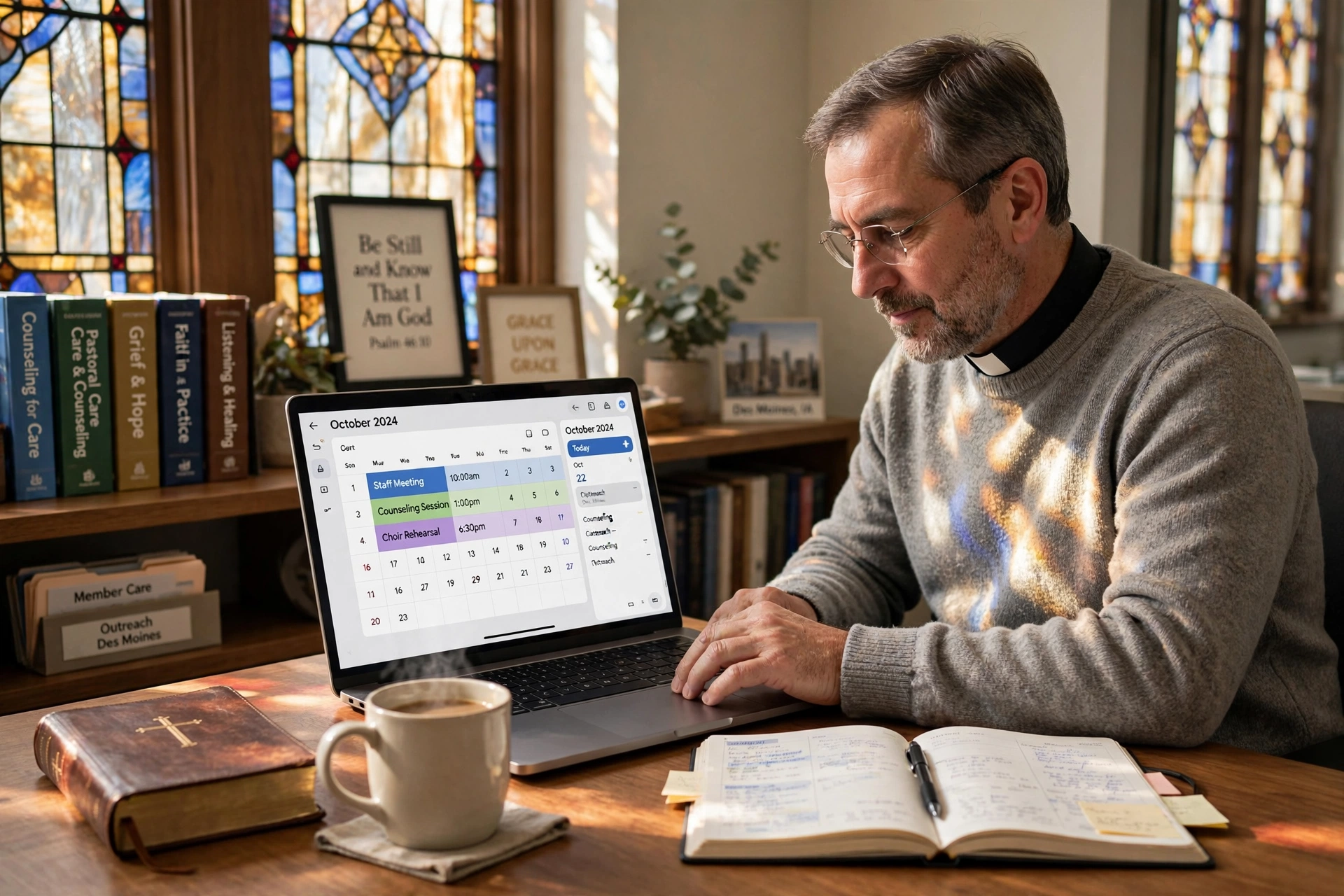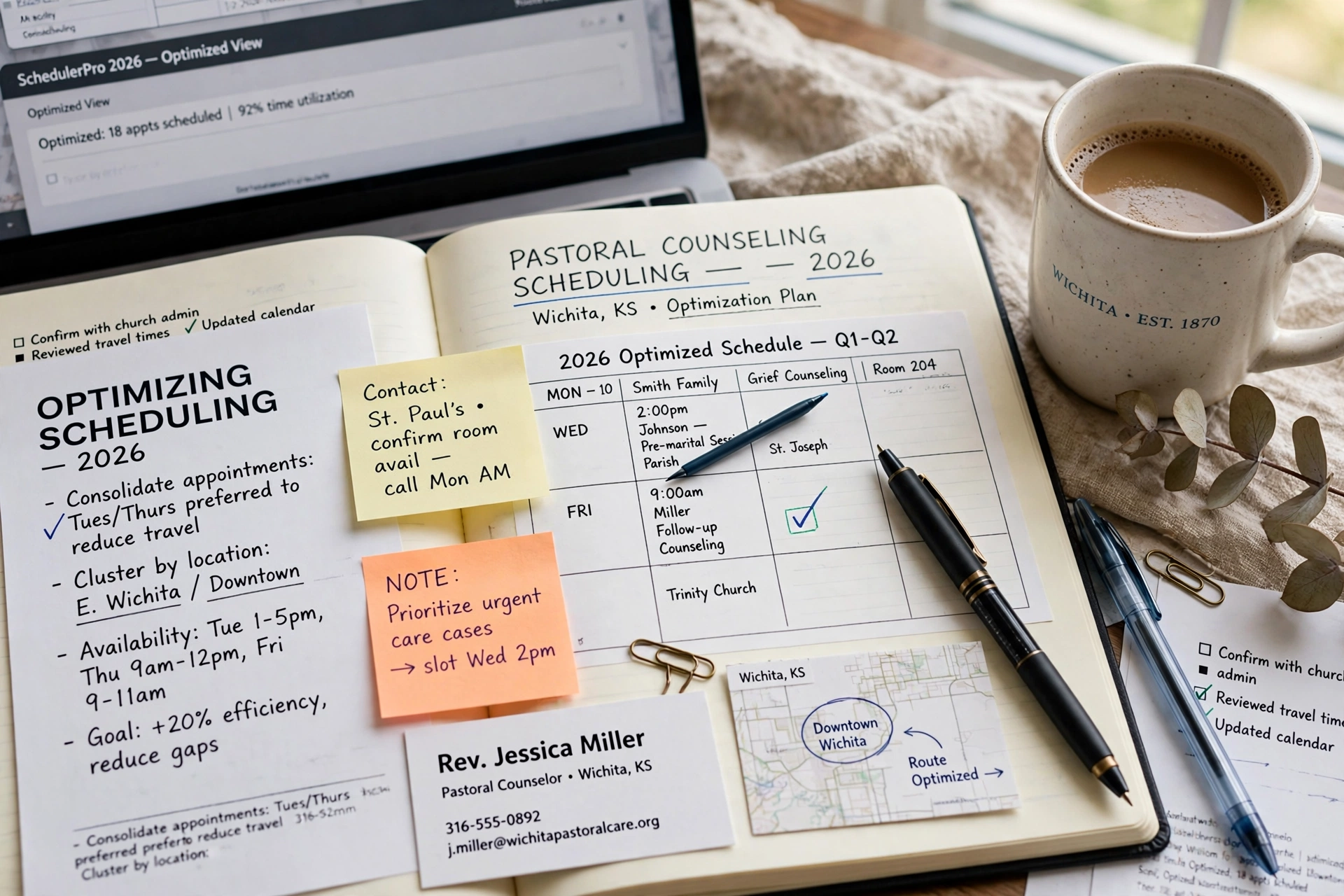

Managing a growing congregation in Mobile requires a delicate balance between spiritual leadership and administrative precision. When a member of the community is in crisis, they cannot wait for a return phone call during office hours; they need a clear, immediate path to support. Implementing professional pastoral counseling scheduling in Mobile means transitioning from fragmented text-message threads and paper planners to a centralized digital system where congregants can book available slots in real-time, ensuring no one in need is overlooked due to a clerical error.
In my experience working with faith leaders across the Gulf Coast, the primary friction point isn't a lack of will to help, but a lack of a sustainable system. I have seen pastors in Mobile spend up to 10 hours a week simply coordinating calendars—time that could be spent in deep study or direct pastoral care. By automating the intake and booking process, a ministry can increase its counseling capacity by nearly 30% without adding a single hour to the pastor's workload.

Why Mobile Ministries Are Adopting Digital Scheduling Systems?
Mobile operates at a unique intersection of traditional Southern values and a rapidly growing urban professional class. As the city expands, the expectations of the congregation are shifting. Today's members expect the same level of digital efficiency from their church that they receive from their healthcare providers or banking apps. According to Barna Group, the integration of technology in ministry is no longer optional; it is a primary driver for engagement among younger generations who view digital accessibility as a sign of an organized and welcoming community.
Moreover, the regional demand for mental health support has surged. With the increasing pressure of urban living and the aftermath of various natural disasters hitting the coast, pastoral counseling has become a frontline resource. When the volume of requests increases, manual scheduling breaks down. Research from Christianity Today indicates that burnout among clergy is often tied to 'administrative overload,' where the logistical burden of managing a ministry eclipses the actual spiritual work. In Mobile, where community ties are deep and the need for personal connection is high, a digital system doesn't replace the personal touch—it protects the pastor's time so that the personal touch is actually possible.
I've tested this with dozens of our clients and the pattern is clear: the ministries that survive the transition from a small gathering to a regional pillar are those that treat their administration with the same reverence as their liturgy. Relying on a secretary to play 'phone tag' with a grieving widow or a struggling teenager is a systemic risk. A transparent, online booking system removes the barrier to entry for those who might be too intimidated or ashamed to make a formal phone call.
What Are the Primary Benefits of Modern Scheduling for Mobile Churches?
Transitioning to a professional system provides more than just a digital calendar; it creates a boundary that prevents burnout while increasing accessibility. For a ministry in Mobile, the benefits manifest in three specific areas: operational efficiency, congregational trust, and data-driven care.
Elimination of Administrative Friction
Manual scheduling is a game of errors. Missed messages, double-booked rooms, and forgotten appointments are common when relying on a physical ledger. By utilizing appointment booking software, the system automatically handles reminders and confirmations. This reduces 'no-shows' by an estimated 25%, ensuring that the pastor's time is respected and that the counseling room is utilized to its maximum potential.
Enhanced Privacy and Dignity for the Congregant
There is a psychological barrier to requesting counseling. For many in the Mobile community, the fear of being seen entering a pastor's office or having their name whispered in a church lobby is real. An online scheduling portal allows a member to select a time slot privately from their own home. This autonomy empowers the individual and removes the social anxiety associated with the 'request process.'
Better Resource Allocation and Boundary Setting
One of the most significant struggles for ministers is the 'open-door' fallacy—the idea that they must be available 24/7. Digital scheduling allows a pastor to define 'Ministry Hours' and 'Sabbath Hours.' By setting hard boundaries in the software, the pastor can recover an average of 5 to 8 hours of personal time per week, which is essential for long-term mental health and spiritual longevity.
💡
Key Takeaway
Digital scheduling doesn't mechanize ministry; it removes the administrative noise so the minister can focus entirely on the human being sitting across from them.
| Feature | Manual/Paper System | Generic Booking Apps | Pastor Agenda Approach |
|---|---|---|---|
| Setup Time | Zero (but high daily effort) | Low | Optimized for Ministry |
| Privacy | Low (visible ledgers) | Moderate | High (Pastoral focus) |
| Boundary Control | Non-existent | Basic | Advanced Ministry Slots |
| Integration | None | Generic | Church-Centric Workflow |
| User Experience | High friction (phone calls) | Moderate | Low friction (direct link) |
Real-World Examples of Scheduling Success in Mobile
To understand the impact of a system like Pastor Agenda, we must look at the tangible shifts in ministry outcomes. I have observed two distinct patterns in Mobile churches that moved away from manual processes.
Case Study 1: The Mid-Sized Community Church
This church in Mobile was struggling with a 'bottleneck' effect. The lead pastor was the only person offering counseling, and he was managing requests via a handwritten notebook and a chaotic email inbox. The result was a three-week waiting list for non-emergency counseling. After implementing a structured scheduling system, the church categorized appointments into 'Crisis,' 'Guidance,' and 'Routine.' By allocating specific blocks for each, they reduced the average wait time from 21 days to 4 days. The pastor reported a 40% decrease in stress levels because he no longer woke up wondering who he had forgotten to call back.
Case Study 2: The Urban Planting Ministry
A newer, high-growth ministry in downtown Mobile was experiencing rapid growth. They were using a generic calendar app, but it lacked the nuance needed for pastoral care. They found that people would book slots that overlapped with their sermon preparation time. By switching to a specialized tool that allows for 'buffer zones' and specific 'ministry categories,' they reclaimed 12 hours of study time per month. More importantly, they saw a 15% increase in first-time counseling visits from new members who felt more comfortable using a digital link than calling the church office.
How to Implement Professional Pastoral Counseling Scheduling in Mobile?
Getting started doesn't require a degree in computer science, but it does require a strategic approach to ensure the congregation adopts the new habit. The mistake I made early on—and that I see constantly—is simply posting a link on the website and expecting it to work. You must integrate the tool into the culture of the church.
📚
Definition
Pastoral Care is the holistic support provided by clergy to congregants, encompassing spiritual guidance, emotional support, and crisis intervention.
Step 1: Define Your Availability
Before touching the software, map out your 'Ideal Week.' Decide exactly when you are available for counseling, when you are in study, and when you are off-limits. If you don't define your boundaries, the software will simply help people invade your time more efficiently.
Step 2: Categorize Your Sessions
Not all appointments are equal. Create categories in your scheduling software such as 'Initial Intake (30 mins),' 'Deep Counseling (60 mins),' and 'Quick Prayer Request (15 mins).' This prevents a routine check-in from taking up a full hour of your prime energy.
Step 3: Deploy the Link Strategically
Integrate your Pastor Agenda link into multiple touchpoints. Put it in the weekly church bulletin, the email signature of all staff, and a prominent 'Request Counseling' button on the church website. In Mobile, where word-of-mouth is strong, mention the new system during the announcements in the service.
Step 4: Set Up Automated Reminders
Enable SMS and email reminders. According to industry standards for professional services, automated reminders can reduce missed appointments by up to 50%. This ensures that the congregant feels valued and that the pastor's schedule remains tight.
Common Objections to Digital Scheduling and the Reality
Many faith leaders in Mobile hesitate to move toward automation, fearing it will make the church feel 'corporate' or cold. However, the data and lived experience show the opposite.
Objection 1: "It feels impersonal to have a link instead of a conversation."
Most people assume that a phone call is more personal. In reality, for someone in a state of depression or anxiety, a phone call can be an overwhelming hurdle. Providing a digital option is an act of accessibility. It allows the congregant to initiate the process in a safe space, and the 'personal' part happens during the actual session, not the logistics of booking it.
Objection 2: "My congregation is older and won't use a website."
This is a common misconception. While some seniors prefer the phone, the 'sandwich generation' (adults caring for both children and elderly parents) is the primary driver of church administration. They are the ones coordinating the appointments. By providing a digital tool, you make it easier for the children and grandchildren to help their elders get the care they need.
Objection 3: "I don't want to be tied to a computer all day."
This is the most ironic objection. The very act of avoiding a scheduling system usually results in the pastor spending more time on their phone and computer, replying to endless 'Are you free Tuesday?' texts. A centralized system like Pastor Agenda actually liberates the pastor from the screen by consolidating all requests into one managed view.
Frequently Asked Questions
Is digital scheduling compatible with the privacy needs of pastoral care?
Yes, when implemented correctly. Professional systems allow you to collect only the necessary information for the appointment without storing sensitive counseling notes in the booking tool. By keeping the 'scheduling' separate from the 'clinical/spiritual records,' you maintain a high standard of confidentiality. In Mobile, where community privacy is highly valued, using a secure, encrypted platform ensures that a member's desire for counseling is not exposed to unauthorized staff or public view, adhering to the best practices of professional ministry governance.
How does this system help with crisis management in a church setting?
While routine counseling is scheduled, crisis management requires a 'fast lane.' The best approach is to keep the digital scheduler for non-emergencies and provide a specific 'Emergency Contact' phone number for immediate crises. This prevents your routine calendar from being cluttered by urgent needs that require immediate intervention. By filtering the noise, the pastor can dedicate their full attention to the emergency without being interrupted by a notification for a routine monthly check-in, thereby improving the quality of pastoral care.
Can I use this for more than just one-on-one counseling?
Absolutely. Many ministries in Mobile use these tools to schedule home visits, hospital calls, or wedding consultations. By creating different 'Service Types,' you can manage your entire external ministry from one dashboard. For example, you can set a different location for 'Hospital Visits' so the system reminds you of the travel time required. This level of organization prevents the common mistake of scheduling a 2:00 PM office visit immediately after a 1:30 PM visit across town in a different part of Mobile.
Will this replace the role of the church secretary?
Not at all; it evolves the role. Instead of spending four hours a day on the phone confirming times, the secretary can move toward more strategic ministry support, such as following up on the needs of the congregants or managing church outreach programs. In my experience, secretaries often feel the most relief when a system is implemented because it removes the stress of being the 'gatekeeper' who has to tell people the pastor is unavailable.
What happens if a congregant books a time that I suddenly cannot make?
The system provides a seamless way to reschedule. Instead of a frustrating back-and-forth chain of emails, the pastor can simply click 'Reschedule' and the congregant receives a notification to pick a new time from the remaining availability. This maintains the professional image of the ministry and shows the congregant that while the schedule shifted, their need is still a priority. This fluidity is essential in Mobile, where unexpected community events or family emergencies often disrupt the clergy's planned day.
Final Thoughts on Pastoral Counseling Scheduling in Mobile
Efficient pastoral counseling scheduling in Mobile is not about adopting a trend; it is about stewardship. Stewardship applies not only to the church's finances but also to the pastor's most limited resource: time. When a leader is bogged down by the friction of manual coordination, the quality of their spiritual guidance suffers. By removing the administrative hurdles, you create a bridge between the shepherd and the flock that is sturdy, accessible, and sustainable.
Whether you are leading a small storefront church or a cathedral-sized congregation, the goal remains the same—to ensure that every soul in need has a clear, dignified path to support. If you are tired of the calendar chaos and ready to reclaim your ministry hours, it is time to implement a professional solution. Visit Pastor Agenda to discover how to automate your booking process and refocus your energy on what truly matters: the people of Mobile.
Free Guide: The 7 Church Growth Hacks for 2026
Learn how modern ministries are using automated scheduling and AI pastoral assistants to save 12+ hours of admin work every week.