📖This article is part of the complete guide to Online Appointment Booking for Modern Churches.
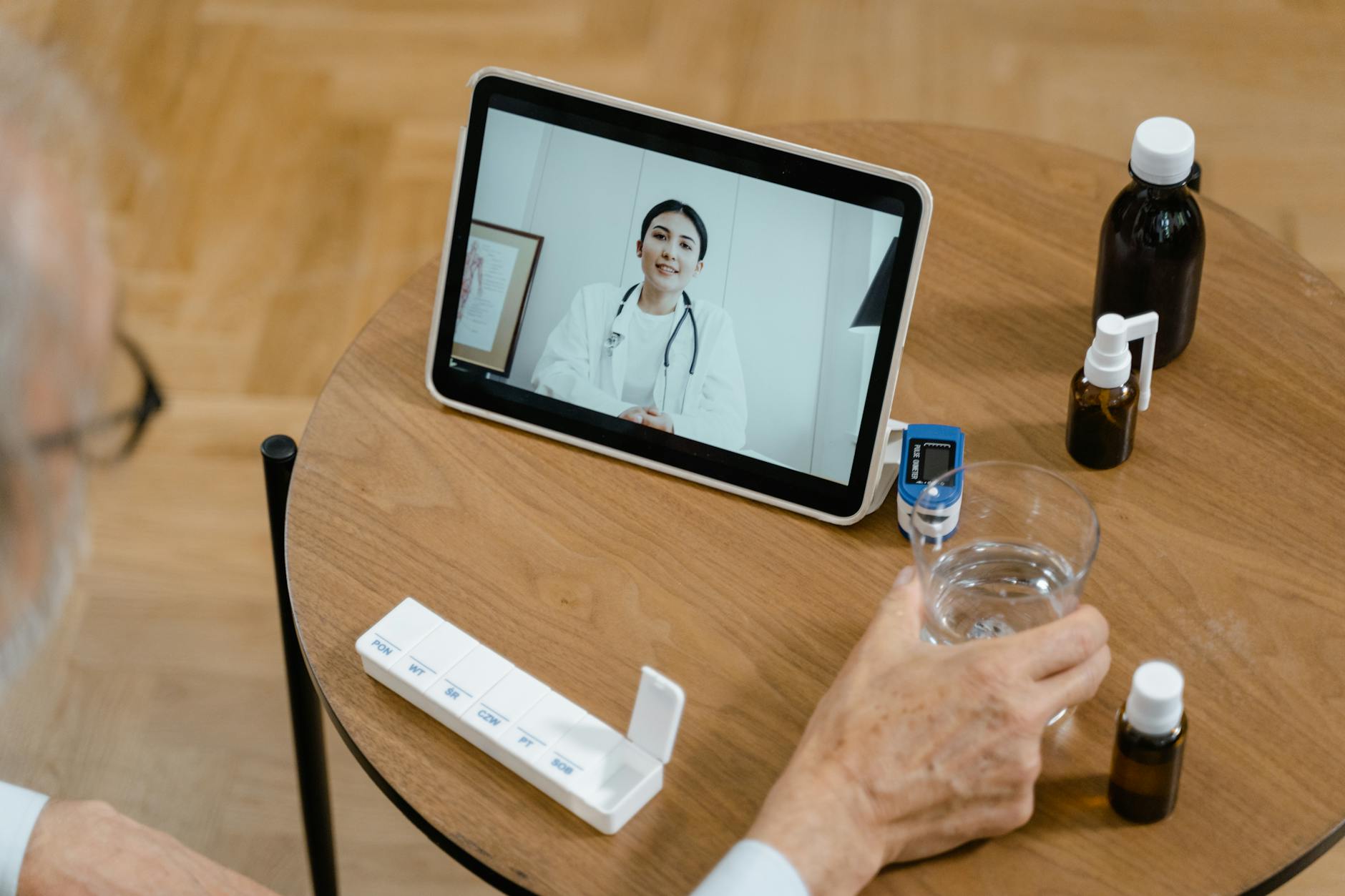
Managing a growing congregation often leads to a paradox: the more a ministry succeeds, the harder it becomes for the pastor to actually connect with the people. In my experience working with mid-sized churches, the 'administrative wall' is the primary killer of spiritual momentum. When a member has to play phone tag for three days just to secure a 30-minute counseling session, the urgency of their spiritual need often fades or, worse, they seek support elsewhere. Transitioning to self-service systems isn't about removing the human element; it's about removing the friction that prevents the human element from happening.
For a comprehensive overview of how to modernize your administrative workflow, explore our guide on church appointment booking.
What Are Congregation Engagement Tools?
📚
Definition
Congregation engagement tools are digital platforms and software interfaces that allow church members to interact with leadership, request services, and schedule appointments without requiring manual intervention from church staff.
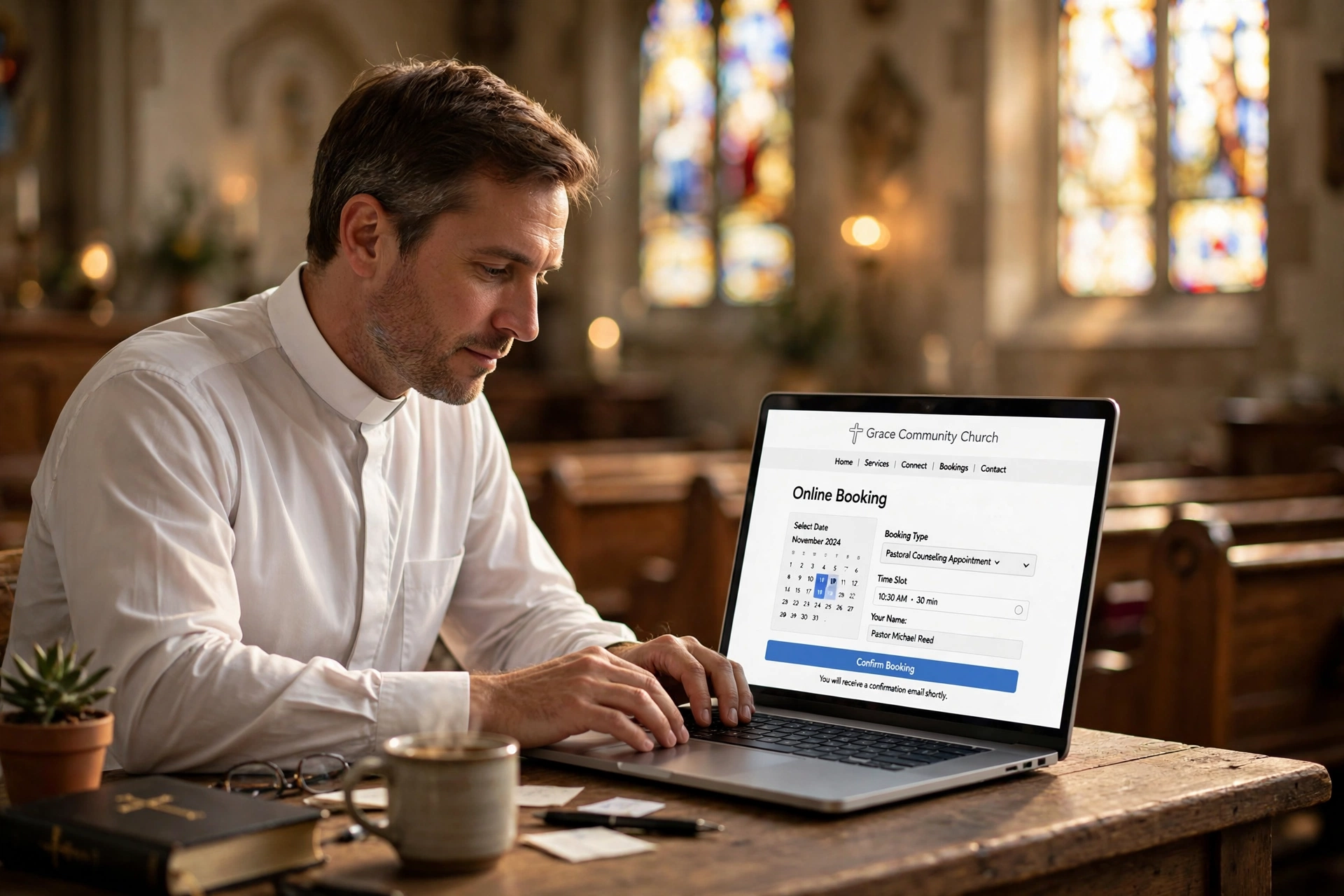
At its core, these tools represent a shift from a 'gatekeeper' model of ministry to an 'open-door' model. Traditionally, the church secretary or an administrative assistant acted as the sole point of entry for a pastor's calendar. In 2026, this model is increasingly obsolete. Modern congregation engagement tools, specifically self-service booking systems, allow members to see real-time availability and claim a slot that fits their schedule and the pastor's boundaries.
When we developed the workflow logic for Pastor Agenda, we discovered that the psychological barrier to seeking help is significantly lowered when a member can privately book a session at 11:00 PM on a Tuesday, rather than having to call an office during business hours. This is not merely a convenience; it is a strategy for increasing accessibility to pastoral care. By utilizing scheduling software, churches can categorize different types of engagement, such as first-time visitor meetings, spiritual guidance, or wedding consultations, ensuring that the pastor is mentally prepared for the specific nature of each encounter.

Why Does Digital Engagement Matter for Modern Ministry?
Digital accessibility is no longer a luxury; it is a baseline expectation for any organization serving a diverse demographic. The primary reason this matters is the reduction of 'friction-to-faith' barriers. When the process of connecting with a minister is seamless, the frequency of those connections increases. According to Barna Group, there is a growing trend toward individualized spiritual support, where members seek more intentional, one-on-one time with leadership to navigate complex modern life challenges.
Furthermore, the administrative burden on clergy is at an all-time high. The National Association of Evangelicals emphasizes the importance of sustainable ministry to prevent burnout. When a pastor spends four hours a week manually coordinating calendars via email and text, that is time stripped away from sermon preparation, prayer, and actual pastoral care. By implementing congregation engagement tools, the church recovers this lost time, shifting the focus from logistics to liturgy.
Beyond efficiency, these tools provide invaluable data. In my experience, most churches have no real-time data on how many people are actually seeking help versus how many are being served. A digital booking system provides a clear audit trail. You can see which months have the highest demand for counseling and adjust your ministry focus accordingly. This evidence-based approach to ministry allows for a more proactive rather than reactive leadership style.
The Impact of Friction on Member Retention
Consider the journey of a new visitor. If they feel a spark of connection during a Sunday sermon and want to meet the pastor, a manual process (e.g. "fill out this card and we'll call you next week") creates a gap where interest can cool. A self-service tool allows that visitor to lock in a meeting while the emotional momentum is still high. This immediacy is a key driver in increasing the conversion rate from 'visitor' to 'engaged member'.
| Approach | Friction Level | Member Experience | Staff Impact |
|---|---|---|---|
| Traditional (Phone/Email) | High | Frustrating, slow, feels like a hurdle | High stress, constant interruptions |
| Generic AI/Bot | Medium | Impersonal, risk of misunderstanding | Low oversight, fragmented data |
| Modern Self-Service (Pastor Agenda) | Low | Empathetic, instant, empowering | Automated, organized, boundary-protected |
How to Use Booking Tools to Drive Real Engagement
Implementing a tool is the easy part; integrating it into the culture of the church is where the real work happens. To truly increase engagement, you must treat your booking system as a digital extension of your hospitality ministry. It should not be a hidden link in the footer of your website, but a prominent invitation to connect.
First, create specific 'engagement lanes'. Not every meeting requires the same amount of time or energy. You can set up different booking categories within your scheduling software:
- The Newcomer Welcome: A brief 15-minute introductory call.
- Pastoral Counseling: A deeper 45-minute session for spiritual guidance.
- Administrative Inquiry: Short slots for membership or wedding logistics.
By differentiating these, you prevent the 'calendar creep' where every single request takes an hour, regardless of the need. This ensures that those in acute crisis get the time they need without the pastor burning out on routine administrative questions.
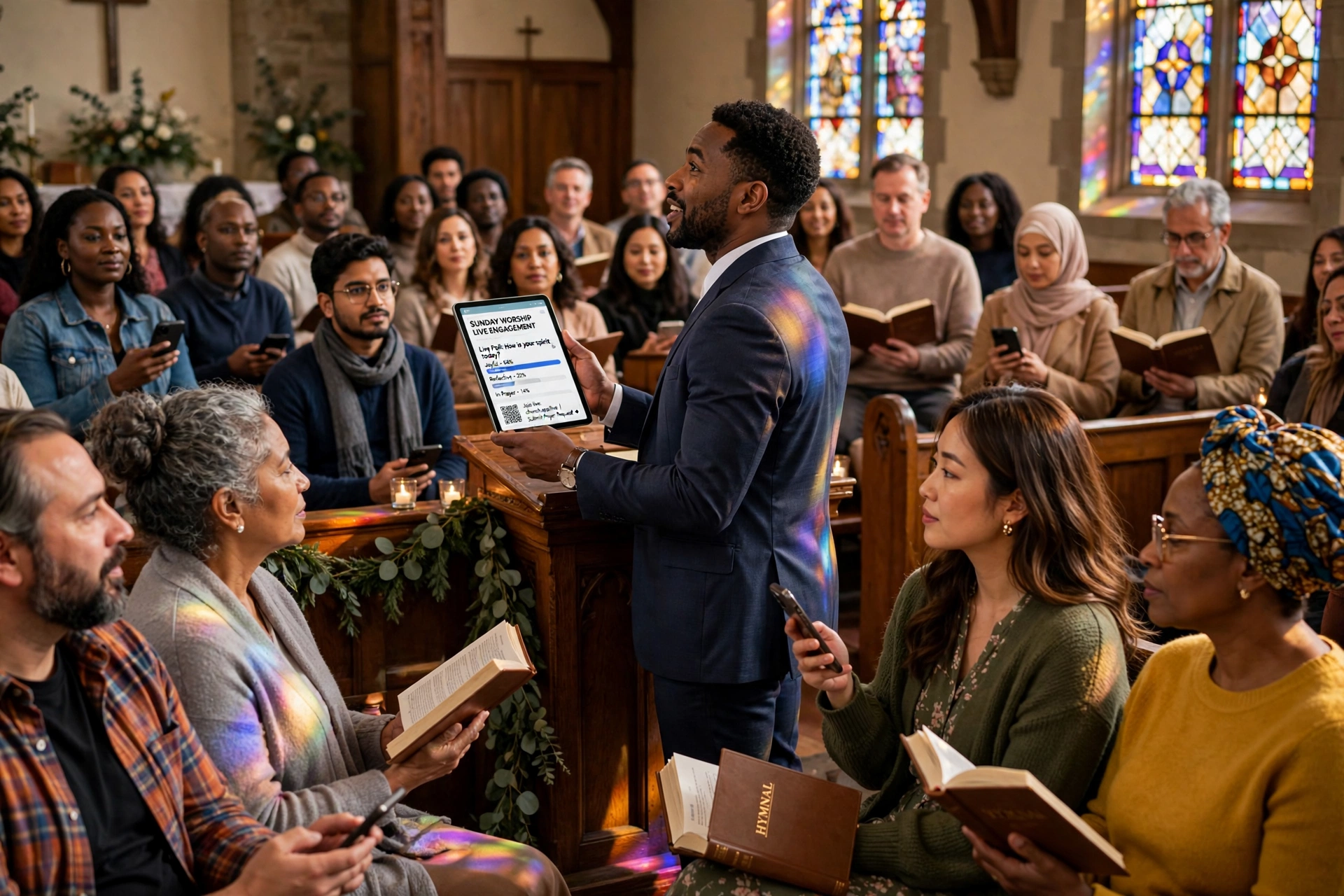
Secondly, integrate these tools into every touchpoint. For instance, integrating booking links and QR codes in church bulletins allows a member to take immediate action while sitting in the pew. Instead of hearing "reach out to the office," the call to action becomes "scan this code to book a time for us to pray together this week." This converts a passive suggestion into an active commitment.
Thirdly, use automated reminders to decrease no-shows. A significant portion of missed pastoral appointments isn't due to a lack of desire, but a lack of organization. Professional tools provide automated SMS and email reminders. This doesn't just save time; it shows the member that the appointment is valued and expected, which in turn increases the perceived value of the pastoral care they are receiving.

Common Mistakes to Avoid When Automating Engagement
One of the most frequent mistakes I see is the 'Open-Door Fallacy'. Some pastors, in an effort to be available, open their calendars 24/7. This is a recipe for immediate burnout. The goal of congregation engagement tools is to create structured availability. You must set strict boundaries, specific blocks of time dedicated to appointments, while keeping the rest of your time for study and family. If the tool allows people to book a meeting for 8:00 PM on a Saturday, the tool is not helping you; it is harming your health.
Another error is neglecting the 'Human Hand-off'. Automation should handle the scheduling, but never the relationship. Some churches make the mistake of using automated responses to answer spiritual questions. AI can handle the logistics of "when are you free?", but it should never attempt to answer "why is my child struggling with faith?" Always ensure the tool leads directly to a human interaction. The technology is the bridge, not the destination.
Finally, many ministries fail to communicate the why behind the change. If you suddenly move to a digital system without explaining it, some older members may feel they are being pushed away by 'cold technology'. Frame the transition as a way to ensure that no one is missed and that every person gets the full, undivided attention of the leadership. When presented as a tool for better care, the congregation will embrace it.
To avoid these pitfalls, it is helpful to look at a specialized approach. For a detailed walkthrough on the technical setup, see our guide on how to implement online booking on your church website. For those who struggle with the actual habit of digital scheduling, our article on how to book pastor appointments online in 2026 provides a roadmap for the current year's best practices.
Pro Tip: The 'Engagement Audit'
I recommend performing a monthly 'Engagement Audit'. Look at your booking data to see who is not using the tools. If you notice a specific demographic, such as young families or elderly members, is avoiding the digital system, don't force them to use it. Instead, use the time you saved via automation to personally reach out to those who still prefer the traditional method. The efficiency gained from the 80% who use the tool allows you to give deeper, manual attention to the 20% who need a more traditional touch.
Deep Dive: The Psychology of Self-Service in Faith Communities
There is a significant psychological shift that occurs when a believer moves from 'asking for permission' to 'requesting a time'. In a traditional hierarchy, the member must ask the secretary if the pastor has time. This creates a power dynamic that can feel intimidating for someone in a state of spiritual crisis or shame.
When you provide congregation engagement tools, you shift the power to the member. They are no longer asking for a favor; they are claiming a resource that the church has intentionally provided for them. This autonomy fosters a sense of ownership and belonging. It signals to the congregation that the leadership's time is a shared resource dedicated to their growth. This subtle shift in dynamics can actually increase the frequency of pastoral care requests, as the 'barrier of intimidation' is removed. This is why we emphasize a user-centric design in Pastor Agenda; the interface must feel welcoming, not clinical.
Frequently Asked Questions
Will using digital tools make the church feel less personal?
Actually, it does the opposite. By automating the logistical friction of scheduling, you remove the administrative noise that often distracts from the actual meeting. When a pastor isn't stressed about a double-booked calendar or a missed email, they can be 100% present during the appointment. The technology handles the 'where and when,' allowing the human to focus entirely on the 'who and why.' The goal is to use technology to clear the path for deeper, more authentic human connection.
How do I handle emergency pastoral needs with a booking tool?
Self-service tools are designed for scheduled care, not emergencies. Your booking page should clearly state: "For non-urgent appointments, please use the calendar below. For immediate crises or emergencies, please call [Emergency Number] or text [Emergency Contact]." By separating the 'urgent' from the 'important,' you protect your schedule from being overwhelmed while ensuring that those in true crisis have a direct, immediate line of communication that doesn't rely on a calendar slot.
Is it difficult for older members to use these tools?
While there is always a learning curve, most modern tools are intuitive. However, the key is offering multiple entry points. While some will use the website, others will prefer the QR codes found in church bulletins. For those who truly cannot use the technology, your staff can simply act as the 'proxy', the secretary can use the same booking tool to schedule the appointment on the member's behalf. This keeps all data in one place while still providing a human interface for those who need it.
Which types of meetings should be available for self-service booking?
I recommend starting with high-frequency, low-complexity meetings. This includes newcomer orientations, membership interviews, and brief check-ins. Once the system is stable, you can add more sensitive categories like pastoral counseling or spiritual direction. The key is to set different durations and 'buffer times' for these. A counseling session should always have a 15-minute buffer afterward to allow the pastor to pray and document notes before the next person arrives.
How does this improve overall church growth?
Growth is often a result of effective onboarding. When a visitor can easily secure a meeting with a pastor, they move through the 'connection funnel' much faster. According to Lifeway Research, intentionality in leadership connection is a top driver for member retention. By removing the friction of booking, you increase the number of successful first-time connections, which directly correlates to a higher percentage of visitors becoming active, committed members of the congregation.
Recommended Readings
To deepen your understanding of these topics, we recommend reading the following articles:
- Integrating Booking Links and QR Codes in Church Bulletins
- Ensuring Absolute Privacy in Church Booking Systems
- Church Appointment Booking
- Automated Reminders and Communication for Congregations
Conclusion
Increasing congregation engagement isn't about finding the most complex software; it's about reducing the distance between a member's need and a pastor's availability. By implementing dedicated congregation engagement tools, you transform your administrative process from a hurdle into a bridge. In 2026, the churches that will thrive are those that embrace the efficiency of automation to protect the sanctity of human relationship.
If you are ready to move beyond the chaos of manual calendars and start prioritizing your people over your paperwork, it's time to modernize your approach. For a complete roadmap on the best systems for your ministry, return to our guide on church appointment booking. Start building a more accessible, engaged, and supported congregation today with PastorAgenda Blog.
Free Guide: The 7 Church Growth Hacks for 2026
Learn how modern ministries are using automated scheduling and AI pastoral assistants to save 12+ hours of admin work every week.