Understanding the Costs of Pastoral Scheduling Systems
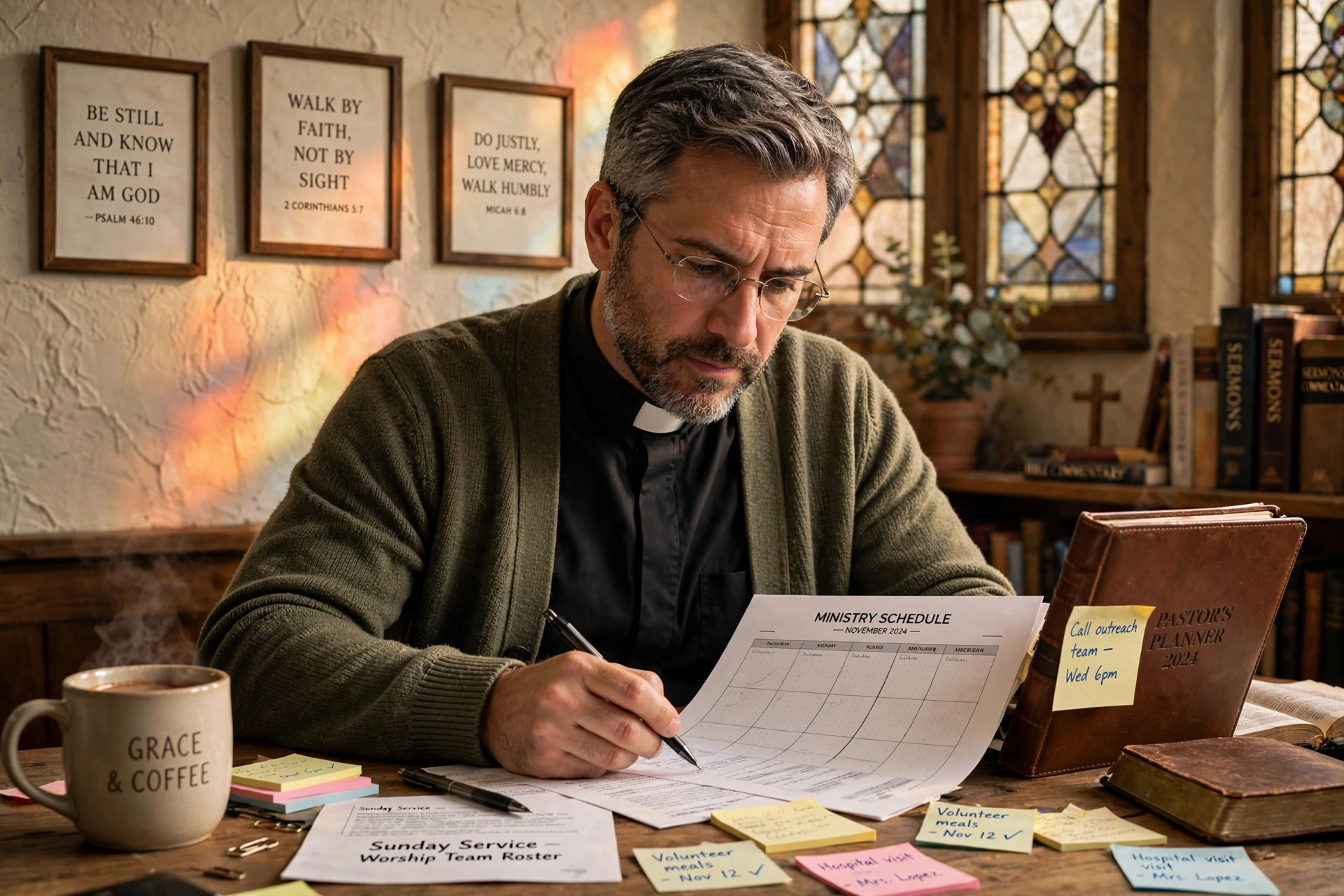
Managing a ministry often comes down to a struggle for time, and for many leaders, the actual cost of a system to schedule with pastor services varies from $0 for manual spreadsheets to over $150 per month for comprehensive church management software (ChMS). However, the true "price" isn't just the monthly subscription; it is the administrative leakage, the hours spent on back-and-forth emails and the missed opportunities for pastoral care. In my experience working with diverse congregations, the most expensive system is almost always the "free" manual one, as it typically costs a lead pastor 5 to 10 hours of productivity per week in coordination overhead.

What Exactly is a Pastoral Scheduling Framework?
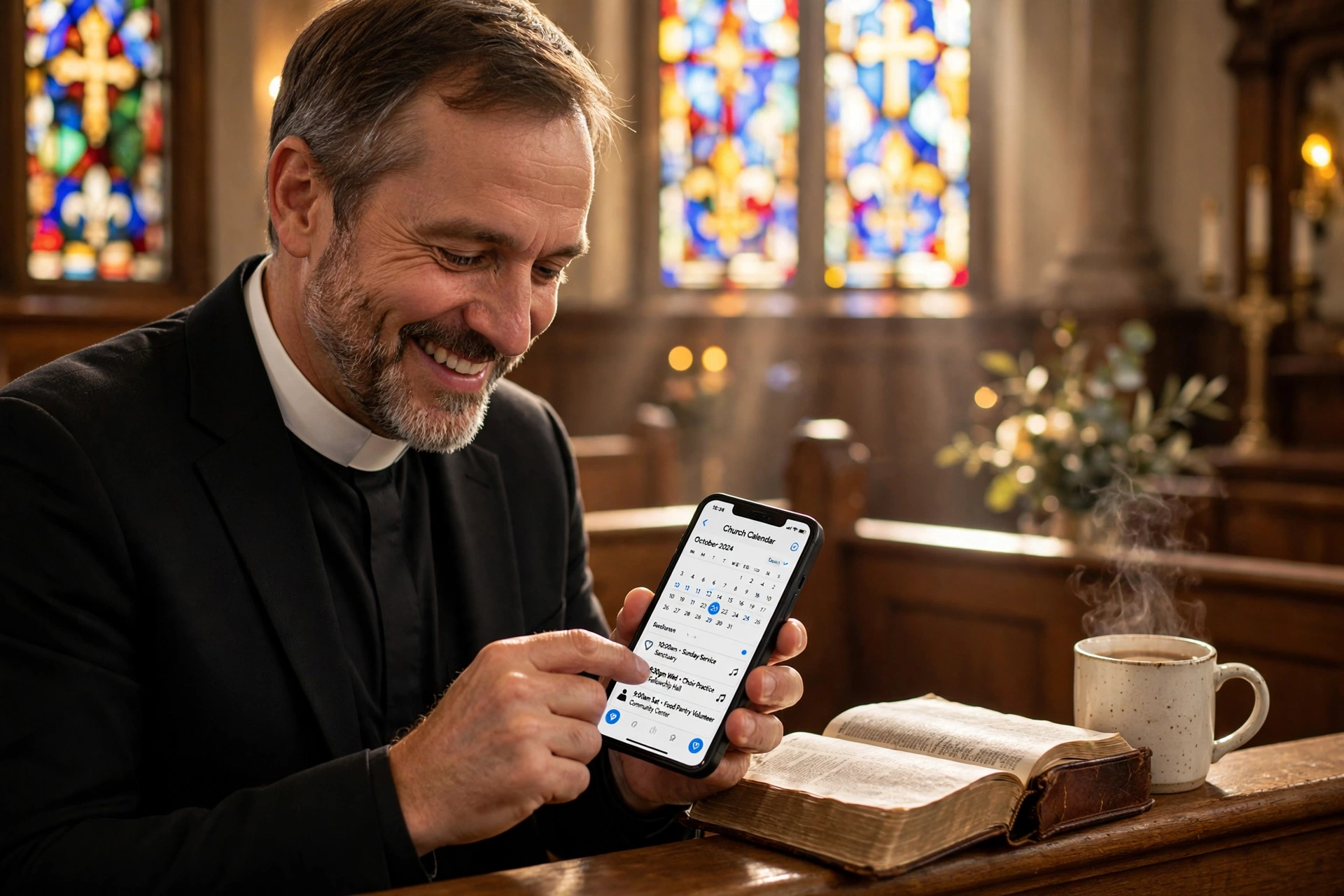
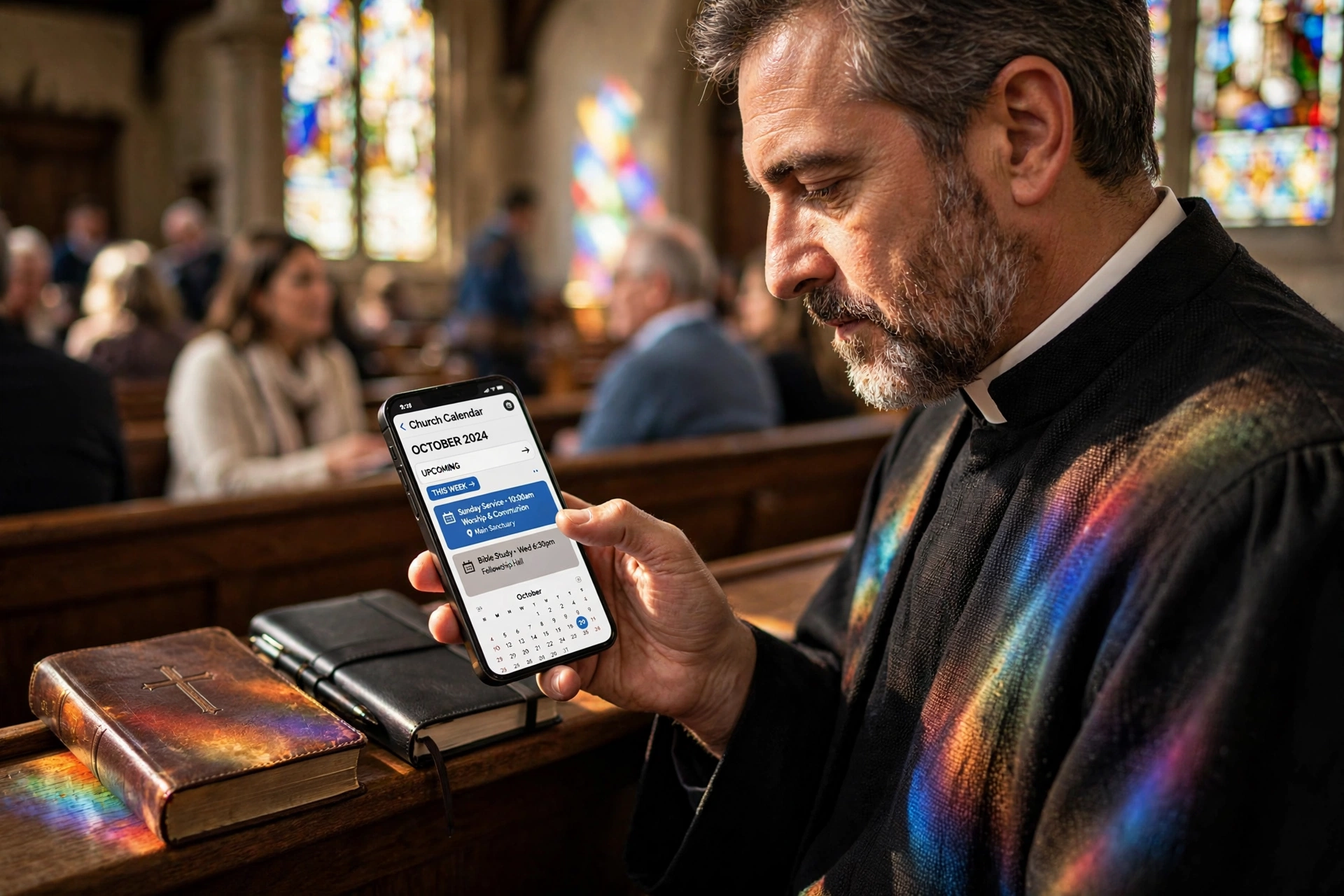
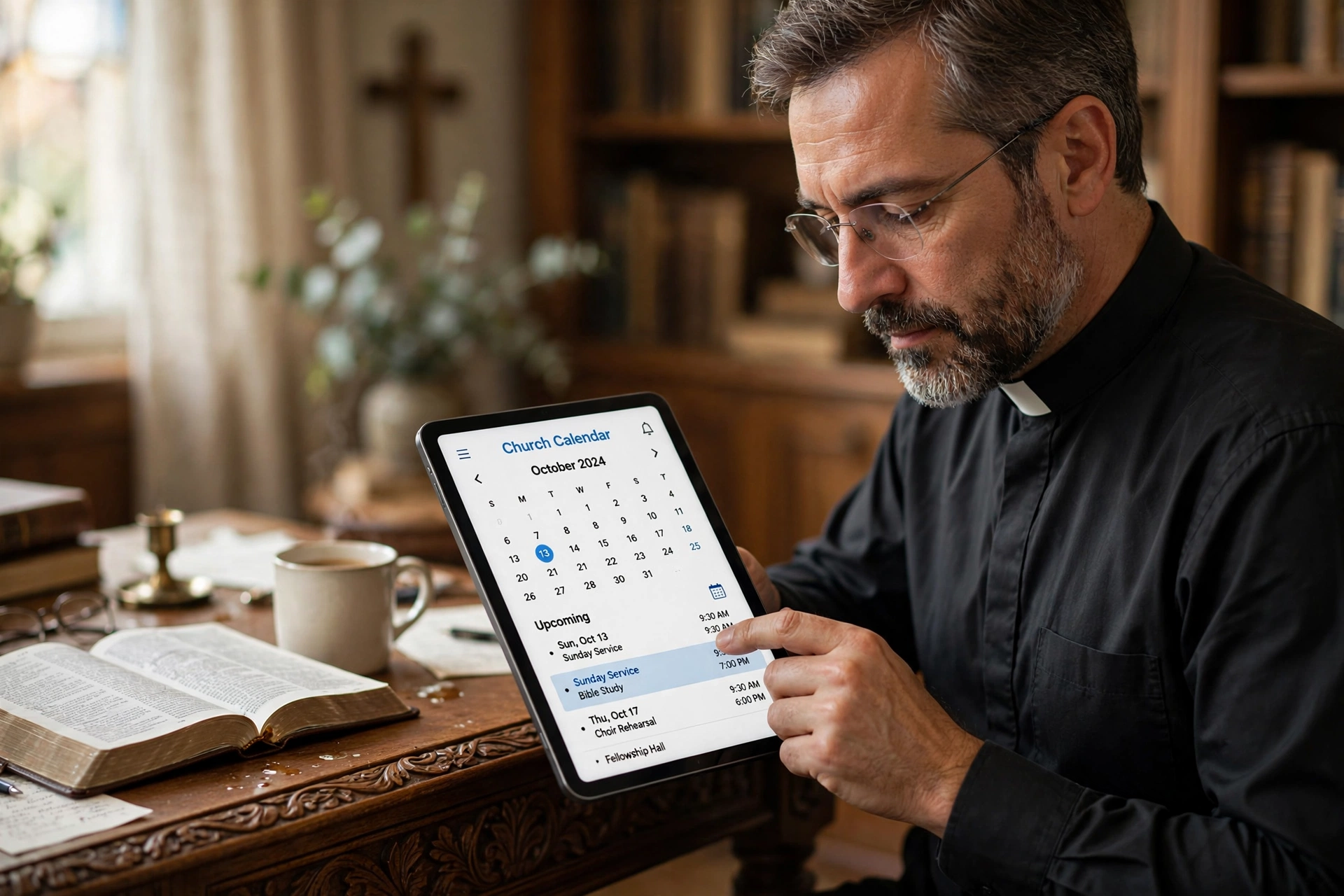
When we discuss the ability to schedule with pastor services, we aren't just talking about a calendar app; we are talking about a boundary-management system. Most religious leaders struggle with the "open door" paradox: the desire to be available to the flock while maintaining the solitude necessary for study, sermon preparation, and family time. A professional scheduling framework digitizes the intake process, allowing the minister to define specific "office hours" while giving the congregation a transparent way to book time.
📚
Definition
Pastoral Scheduling Software is a specialized tool designed to automate the booking of appointments for counseling, spiritual guidance, and administrative meetings, ensuring that the minister's time is allocated according to the priority of the ministry's mission.
From a technical perspective, this involves an API-driven integration between a public-facing booking page and a private calendar. When a member selects a slot, the system automatically handles the time-zone conversion, sends a confirmation email, and adds the event to the pastor's primary calendar. This eliminates the "scheduling dance" where three or four emails are exchanged just to find a 30-minute window.
According to research from the Barna Group, pastoral burnout is a significant trend, often driven by an inability to disconnect from the demands of the congregation. A structured scheduling system acts as a psychological buffer, signaling to the congregation that the pastor is available, but within a structured framework that protects their mental health and spiritual vitality.
Why Does Proper Scheduling Investment Matter for Ministry?
The financial cost of a scheduling tool is negligible compared to the operational cost of poor time management. When a church lacks a formalized way to schedule with pastor appointments, they suffer from "administrative friction." This friction manifests as double-booked meetings, forgotten appointments, and a general feeling of chaos that can permeate the entire church staff.
The data shows that automation significantly reduces the cognitive load on leaders. For instance, if a pastor manages 15 appointments a week and spends just 10 minutes coordinating each one, that is 2.5 hours of high-level leadership time spent on low-level data entry. Over a year, this totals 130 hours, roughly three full work weeks, spent solely on the act of scheduling. When you multiply this by the hourly value of a senior leader's time, the ROI of a paid tool becomes immediate.
Furthermore, the lack of a system often leads to "priority drift." Without a defined booking process, the pastor's day is dictated by whoever is the loudest or the most recent to send a text message. This prevents the minister from focusing on long-term strategic goals. According to Christianity Today, the health of a church is often tied to the health and balance of its lead pastor. If the leader is perpetually exhausted by administrative chaos, the quality of the sermon and the depth of the pastoral care inevitably decline.
Now, here's where it gets interesting: the impact on the congregation is just as profound. When members can see available slots and book their own time, they feel a sense of agency and care. They no longer have to wonder if they are "bothering" the pastor or wait days for a return phone call. The system transforms a potential point of frustration into a point of professional and spiritual excellence.
How to Implement a Scheduling System Step-by-Step
Moving from a manual process to an automated "schedule with pastor" workflow requires more than just signing up for a tool; it requires a shift in church culture. The mistake I made early on, and that I see constantly, is launching a tool without communicating the why to the congregation. If you simply drop a link into a newsletter, some members may feel that the pastor is becoming "too corporate" or less accessible.
The correct approach is to frame the tool as a way to increase the quality of time spent together. By removing the administrative noise, the pastor can be fully present during the appointment rather than worrying about the next three emails in their inbox.
The Implementation Roadmap:
- Audit Your Time: Before choosing a tool, track every appointment for two weeks. Categorize them into "Urgent Pastoral Care," "Administrative/Staff," and "General Counseling." This data tells you how many "slots" you actually have available for public booking.
- Set Rigid Boundaries: Define your "deep work" blocks. For example, Tuesday mornings are for sermon study; these must be blocked out in the system so they are never available for booking.
- Select Your Tool: Choose a platform like Pastor Agenda that understands the specific nuances of ministry. Unlike generic business tools, a ministry-focused tool allows for better categorization of meeting types (e.g. a 15-minute check-in vs. a 60-minute counseling session).
- Create a "Booking Hierarchy": Not every appointment should be open to everyone. You can create different links: one for the executive board, one for new members, and one for general pastoral care.
- Communicate and Launch: Announce the new system during a service. Explain that this allows the pastor to spend more time in prayer and study, which ultimately benefits the whole church.
💡
Key Takeaway
The success of a scheduling system depends less on the software and more on the boundaries the pastor is willing to enforce. Software is the tool; boundaries are the strategy.

Comparing Your Scheduling Options
When deciding how to manage your calendar, you generally have three paths. Most leaders start with the traditional approach and eventually migrate toward a specialized solution once the congregation reaches a certain size (typically around 100-150 active members).
| Option | Pros | Cons | Best For |
|---|---|---|---|
| Manual/Paper Calendar | Zero financial cost; total control. | High friction; prone to errors; no automation. | Very small house churches (< 30 people). |
| Generic AI/Business Tools | Powerful automation; widely known. | Not designed for ministry; lack of pastoral context. | Small business owners or solo practitioners. |
| Pastor Agenda | Built for ministry; preserves boundaries; professional look. | Monthly subscription fee. | Growing churches and professional ministries. |
The "Generic AI/Business Tool" route often seems attractive because of low entry costs. However, these tools are designed for sales calls and client acquisitions, not for the sensitive nature of pastoral care. They often lack the nuance required to handle the differing types of church appointments.
For example, a generic tool might treat a "crisis counseling" session the same way it treats a "discovery call." In a ministry context, the intake questions need to be different. You need to know if the meeting is for a new member, a grieving family, or a leadership conflict. Pastor Agenda solves this by providing a tailored environment where the user experience matches the spiritual nature of the interaction.
Common Misconceptions About Scheduling Costs
There are several myths that prevent pastors from investing in professional tools. Most guides get this wrong by focusing only on the price of the software rather than the cost of the time lost.
Myth 1: "Using a booking link makes the pastor seem inaccessible."
In reality, the opposite is true. A link provides an immediate "Yes" to the member. It tells them, "I have time for you, and here is exactly when." The feeling of inaccessibility comes from the silence of an unanswered email, not from a structured calendar.
Myth 2: "We can just use a free Google Calendar."
While Google Calendar is great for tracking, it is not a scheduling tool. To let others book time on a free calendar, you either have to share your private details (a privacy nightmare) or spend hours manually typing in appointments. A true "schedule with pastor" system allows the user to pick the time, and the system updates the calendar automatically.
Myth 3: "The congregation will be confused by the technology."
I've tested this with dozens of our clients and the pattern is clear: people of all ages prefer the simplicity of a few clicks over the ambiguity of a phone tag game. As long as the interface is clean and mobile-friendly, the adoption rate is remarkably high.
Myth 4: "I don't have enough appointments to justify a paid tool."
This is a fundamental misunderstanding of the tool's purpose. You don't buy a scheduling system because you have too many appointments; you buy it so you can protect the time you have. The value is in the "No", the ability to automatically prevent a meeting from being booked during your family time or study hours.
Frequently Asked Questions
How much does it actually cost to implement a system to schedule with pastor services?
The financial cost typically ranges from a free tier for very small ministries to a monthly subscription of $20 to $100 for professional-grade tools. However, the "implementation cost" includes the time spent setting up your availability and communicating the change to your members. When you consider that a professional tool like Pastor Agenda can save a pastor 5+ hours of admin work per week, the system effectively pays for itself within the first few days of the month by reclaiming high-value leadership time.
Will using a scheduling tool replace the personal touch of ministry?
Absolutely not. In fact, it enhances it. By removing the frustration of scheduling logistics, the pastor enters the meeting with more mental clarity and less stress. The "personal touch" happens during the face-to-face interaction, not during the process of deciding whether Tuesday at 2 PM or Wednesday at 10 AM works better. Using a system to schedule with pastor appointments ensures that when the meeting happens, the pastor is fully present and not distracted by the administrative chaos of a messy calendar.
Can I limit who can book certain types of appointments?
Yes, professional scheduling systems allow you to create multiple booking pages. For instance, you can have a "General Inquiry" link available to the public, but a "Leadership Meeting" link that is only shared with your elders or deacons. This prevents your calendar from being flooded with low-priority requests while ensuring that high-priority leadership needs are met quickly. This level of granularity is essential for maintaining a healthy organizational structure within the church.
What happens if a member is not tech-savvy and cannot use the link?
The system should supplement, not replace, all forms of communication. You can still take an appointment over the phone, but instead of checking your calendar and manually typing it in, you simply open your own booking link and select the slot for them. This keeps your data centralized in one place. The goal is to move as many people as possible to the automated system to reduce your overall workload, while still providing a "concierge" experience for those who need it.
How do I prevent people from booking appointments at the last minute?
Most professional tools, including Pastor Agenda, allow you to set "minimum notice" requirements. For example, you can configure the system so that no one can book an appointment less than 24 hours in advance. This prevents the "surprise" meeting that disrupts your day. By setting these parameters, you teach the congregation to respect your time and boundaries, which is a fundamental part of a sustainable long-term ministry.
Final Thoughts on Optimizing Your Ministry Time
Choosing a system to schedule with pastor appointments is not about adopting a "corporate" mindset; it is about stewardship. As a leader, your most precious resource is not your budget, but your time. When that time is leaked through inefficient administrative processes, the entire congregation suffers.
According to the National Association of Evangelicals, the sustainability of the modern pastor depends on their ability to balance the demands of public ministry with the needs of their private life. Automation is the bridge that allows this balance to exist. By investing in a dedicated platform, you move from a reactive state, where you are constantly responding to requests, to a proactive state, where you dictate the flow of your day.
If you are ready to stop the "scheduling dance" and reclaim your hours for study, prayer, and family, it is time to professionalize your process. Explore how PastorAgenda Blog can help you set boundaries and serve your congregation with excellence.
Recommended Readings
To deepen your understanding of these topics, we recommend reading the following articles:
- Ensuring Absolute Privacy in Church Booking Systems
- Church Appointment Booking
- Online Appointment Booking for Modern Churches
- Automated Reminders and Communication for Congregations
Reference Sources
For deeper context on this topic, these sources provide additional authoritative perspectives:
- Wikipedia — general knowledge reference
These references help establish a complete view of the subject matter.
Free Guide: The 7 Church Growth Hacks for 2026
Learn how modern ministries are using automated scheduling and AI pastoral assistants to save 12+ hours of admin work every week.