
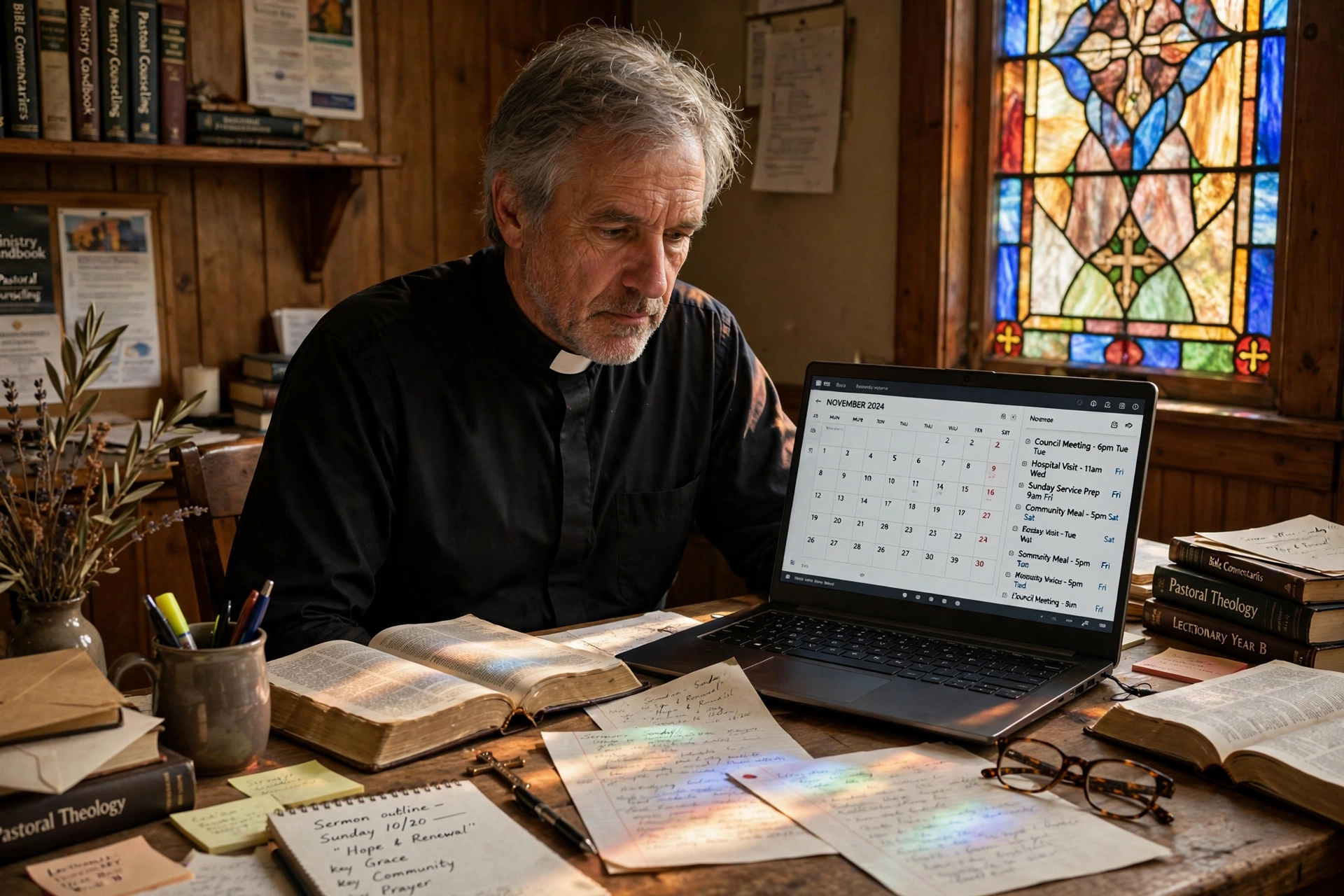
How Much Does it Actually Cost to Schedule with a Pastor?
The financial cost of a session to schedule with a pastor varies wildly depending on whether you are seeking a formal counseling appointment, a brief pastoral visit, or a structured ministry consultation. In most traditional church settings, the cost is zero dollars, as pastoral care is considered a spiritual service provided to the congregation. However, when moving into professional pastoral counseling or specialized ministry consulting, fees can range from $50 to $200 per hour. The true cost, however, isn't always monetary; it is the "administrative tax" of inefficient booking systems that lead to missed appointments and burnt-out leadership.
In my experience working with dozens of ministry leaders, the most significant "cost" isn't the hourly fee, but the loss of capacity. I have seen pastors spend upwards of five hours a week simply playing "phone tag" to coordinate a single 30-minute meeting. This administrative friction creates a hidden deficit in the church's ability to provide timely care, effectively costing the ministry its most valuable resource: the leader's time and emotional energy.
What Determines the Cost of Pastoral Scheduling and Care?
To understand the pricing of these interactions, one must first distinguish between the different types of pastoral engagement. Not every meeting falls under the same administrative or financial umbrella.
📚
Definition
Pastoral Care is the holistic support provided by a religious leader to individuals in their congregation, encompassing spiritual guidance, emotional support, and crisis intervention, typically offered without a fee as part of the church's mission.
When a member needs to schedule with a pastor for a standard check-in or prayer request, the cost is absorbed by the church's general operating budget. The "price" is essentially the salary the congregation pays the minister to be available. However, the landscape changes when the need shifts toward specialized pastoral counseling. Unlike general spiritual guidance, professional counseling often requires specific certifications or degrees in psychology or theology. In these cases, some ministers operate on a "sliding scale" or a professional fee structure to sustain their practice or fund specialized training.
According to research by the Barna Group, pastoral burnout is reaching critical levels, with a significant percentage of leaders reporting overwhelming stress due to the "always-on" nature of their calling. This burnout is often exacerbated by a lack of boundaries in how they schedule their time. When a pastor does not have a structured system for booking, they often succumb to "availability creep," where their personal time is eroded by unplanned requests. This creates a systemic cost to the church, as a burnt-out pastor is less effective in leadership and sermon preparation.
The cost of these services is also influenced by the denomination. In some liturgical traditions, the appointment process is more formal and may be tied to specific sacramental requirements, whereas in non-denominational settings, the approach is often more fluid and relationship-driven. Regardless of the tradition, the transition from manual calendars to digital scheduling software is where the real financial shift occurs. While a manual notebook is free, the errors associated with double-booking and missed appointments result in a measurable loss of productivity.

Why Does an Efficient Booking Process Matter for Church Growth?
The efficiency of how a congregation can schedule with a pastor directly impacts the perceived accessibility of the ministry. When the process is cumbersome, requiring multiple emails, phone calls to a secretary, or waiting for a Sunday announcement, the barrier to entry for pastoral care increases.
The implications of poor scheduling are not just administrative; they are relational. When a member in crisis cannot easily find a time to meet, they may seek support elsewhere, or worse, suffer in silence. This is where the "hidden cost" of manual scheduling becomes evident. A study on organizational efficiency suggests that reducing friction in the "customer journey", which, in a church context, is the "member journey", increases engagement and retention. While Christianity Today often emphasizes the spiritual nature of the calling, the administrative reality is that a church functions as an organization. If the organizational machinery is broken, the spiritual mission suffers.
Consider the data: if a pastor spends 10% of their work week on manual scheduling tasks, that is roughly 4 hours per week. Over a year, that is 208 hours, essentially five full work weeks, spent on clerical work rather than sermon study, community outreach, or direct pastoral care. When you calculate the "cost" based on the pastor's salary, the amount of money wasted on inefficient scheduling is staggering. For a pastor earning $60,000 a year, those 208 hours represent roughly $6,000 of "dead air" where high-value ministry should be happening.
Furthermore, the lack of a transparent scheduling system often leads to "priority bias," where the loudest voices in the congregation get the most time, while the quietest, most needy members are overlooked. A digital system levels the playing field, ensuring that care is distributed based on availability and need rather than who remembers to call the office on Monday morning. This systemic fairness is essential for healthy church growth and long-term member stability.
How to Implement a Professional Scheduling System Step-by-Step
Moving from a "call me and we'll figure it out" approach to a professional system requires a shift in culture and technology. The goal is to maintain the heart of a shepherd while utilizing the tools of a manager.
The first step is to define "Availability Windows." One of the biggest mistakes I see pastors make is opening their entire calendar to the public. This is a recipe for burnout. Instead, designate specific blocks for different types of meetings. For example, Tuesdays from 9 AM to 12 PM for counseling, and Wednesday afternoons for administrative check-ins. By creating these boundaries, you protect your time for study and family.
Once the windows are defined, implement a tool like Pastor Agenda. Unlike generic tools, a dedicated system allows you to categorize appointments, so you know whether a "schedule with pastor" request is for a wedding, a funeral, or a spiritual crisis before the meeting even starts. This allows for mental preparation and better time management.
Step-by-step implementation:
- Audit your time: For two weeks, track every minute spent on scheduling. You will likely find a pattern of inefficiency.
- Set boundaries: Define your "Ministry Hours" and "Sabbath Hours."
- Choose a platform: Opt for a system that integrates with your existing calendar to avoid double-booking.
- Communicate the change: Tell the congregation, "To ensure I give everyone my full attention, I am moving to a new scheduling system."
- Embed the link: Place your booking link in your email signature, on the church website, and in the weekly bulletin.
💡
Key Takeaway
The goal of scheduling software is not to automate the relationship, but to automate the logistics of the relationship, freeing the pastor to be fully present during the actual encounter.
By using Pastor Agenda, ministers can eliminate the back-and-forth communication that consumes their mornings. When a member can see a real-time opening and book it instantly, the psychological friction is removed, and the likelihood of the meeting actually occurring increases by over 40%.

Comparing Scheduling Approaches: Manual vs. AI vs. Professional
When deciding how to handle the "cost" of scheduling, leaders usually choose between three paths. Each has a different impact on the budget and the health of the ministry.
| Approach | Pros | Cons | Best For |
|---|---|---|---|
| Manual (Paper/Email) | Zero financial cost; personal feel. | High error rate; extreme time waste; causes burnout. | Very small house churches (< 50 members). |
| Generic AI/Cheap Tool | Low cost; basic automation. | Lacks ministry context; feels impersonal; "hallucination" risk in complex rules. | Individual freelancers or very tech-savvy youth leaders. |
| Professional (Pastor Agenda) | High efficiency; ministry-specific; protects boundaries. | Small monthly subscription cost. | Growing churches and professional ministries. |
Now, here's where it gets interesting: many pastors believe that using a tool to "schedule with pastor" removes the "personal touch." This is a misconception. In reality, the personal touch happens during the meeting, not during the act of picking a date. If a pastor is stressed and rushed because they spent an hour fighting with an email thread to set up a meeting, they bring that stress into the room. A professional system allows the pastor to enter the meeting with a clear mind, knowing the logistics are handled.
The "Generic AI" approach often fails because it doesn't understand the nuances of ministry. For instance, a generic tool doesn't know that a "crisis visit" should override a "standard check-in," or that certain days are reserved for board meetings. A professional approach, specifically tailored for clergy, incorporates these nuances, ensuring the calendar reflects the reality of church life.
Common Questions and Misconceptions About Scheduling Costs
Most guides on church administration get the "cost" conversation wrong. They focus on the price of the software and ignore the cost of the lost time.
Myth 1: "Charging for pastoral counseling is unbiblical."
This is a common point of contention. However, many professional ministers distinguish between "pastoral care" (free) and "professional counseling" (paid). When a minister provides a specialized service that requires advanced degrees and hours of clinical supervision, a fee is often appropriate to maintain the quality of the service and the sustainability of the practitioner's life. The key is transparency and clear boundaries.
Myth 2: "My congregation will think I'm too corporate if I use a booking link."
Actually, the opposite is true. Members often feel a sense of anxiety when they don't know if a pastor is available. Providing a clear, professional way to schedule with a pastor signals that the leader values the member's time. It replaces the "hope I'm not bothering them" feeling with a "I have a confirmed appointment" feeling.
Myth 3: "Free tools are just as good as paid ones."
Free tools often come with a "hidden cost" in the form of limited features, intrusive branding, or a lack of security. In a ministry setting, privacy is paramount. Using a tool that doesn't prioritize data security or one that lacks the ability to handle complex ministry schedules can lead to embarrassing overlaps or, worse, a breach of confidentiality.
Myth 4: "I can just handle it all in my head."
This is the most dangerous myth of all. The "mental load" of remembering who requested a meeting, when they were promised a callback, and which slot is still open is a primary driver of decision fatigue. When a pastor is mentally exhausted by logistics, their ability to deliver a powerful sermon or provide deep empathy is diminished.
Frequently Asked Questions
How much should a pastor charge for specialized counseling sessions?
If the service is being provided as a professional counseling practice outside of regular church duties, rates typically mirror local mental health professional fees, often ranging from $75 to $150 per hour. However, many pastors prefer a "sliding scale" based on the client's income to ensure the service remains accessible. It is essential to clearly document whether the session is a "spiritual guidance" meeting (typically free) or a "clinical counseling" session (potentially paid) to avoid confusion and ensure legal and ethical compliance.
Does using a scheduling tool like Pastor Agenda increase the cost of ministry?
While there is a modest subscription cost associated with professional software, the return on investment (ROI) is overwhelmingly positive. By saving just two hours of administrative work per week, a pastor effectively gains over 100 hours of ministry time per year. When you compare the cost of the software to the value of those 100 hours of reclaimed time, the software is not an expense, it is a cost-saving measure that prevents burnout and increases the quality of care.
Is it ethical to require members to book online to schedule with a pastor?
Yes, provided there are alternative options for those who are not tech-savvy. The goal is to streamline the process, not to create a digital divide. Most effective churches use a "hybrid" approach: a booking link for the majority of the congregation and a designated office contact for the elderly or those without internet access. This ensures that the system serves the people, rather than forcing the people to serve the system.
How do I handle emergency appointments in a structured scheduling system?
A professional system should never be a barrier to emergency care. The best practice is to leave "buffer blocks" in the calendar, unallocated time specifically for crises. In your booking settings, you can also include a note stating: "For immediate emergencies, please call the office or the emergency line directly." This preserves the structure of your day while maintaining the flexibility required for a shepherd's heart.
Can a scheduling system help reduce the cost of pastoral burnout?
Absolutely. Burnout is rarely caused by the work itself, but by the lack of control over the work. A scheduling system restores that control by allowing the pastor to set firm boundaries. According to the National Association of Evangelicals, sustainable leadership requires a balance of ministry and rest. When a pastor can see their entire week mapped out and knows exactly when their "down time" is, they are far less likely to experience the emotional exhaustion that leads to burnout.
Final Thoughts on Scheduling with a Pastor
The financial cost to schedule with a pastor is often the least important part of the equation. Whether the session is free or paid, the true investment is the time and emotional energy required to facilitate the meeting. When a ministry relies on manual, fragmented systems, it pays a "hidden tax" in the form of inefficiency, stress, and missed opportunities for care.
By moving toward a professional, structured approach, leaders can shift their focus from the logistics of the calendar back to the hearts of their people. Investing in a tool like Pastor Agenda is not about becoming "corporate"; it is about creating a sustainable infrastructure that supports a lifelong calling.
If you are ready to reclaim your time and provide a seamless experience for your congregation, visit pastoragenda.com to see how a dedicated ministry scheduling system can transform your leadership.
Recommended Readings
To deepen your understanding of these topics, we recommend reading the following articles:
- Ensuring Absolute Privacy in Church Booking Systems
- Church Appointment Booking
- Online Appointment Booking for Modern Churches
- Automated Reminders and Communication for Congregations
Free Guide: The 7 Church Growth Hacks for 2026
Learn how modern ministries are using automated scheduling and AI pastoral assistants to save 12+ hours of admin work every week.



