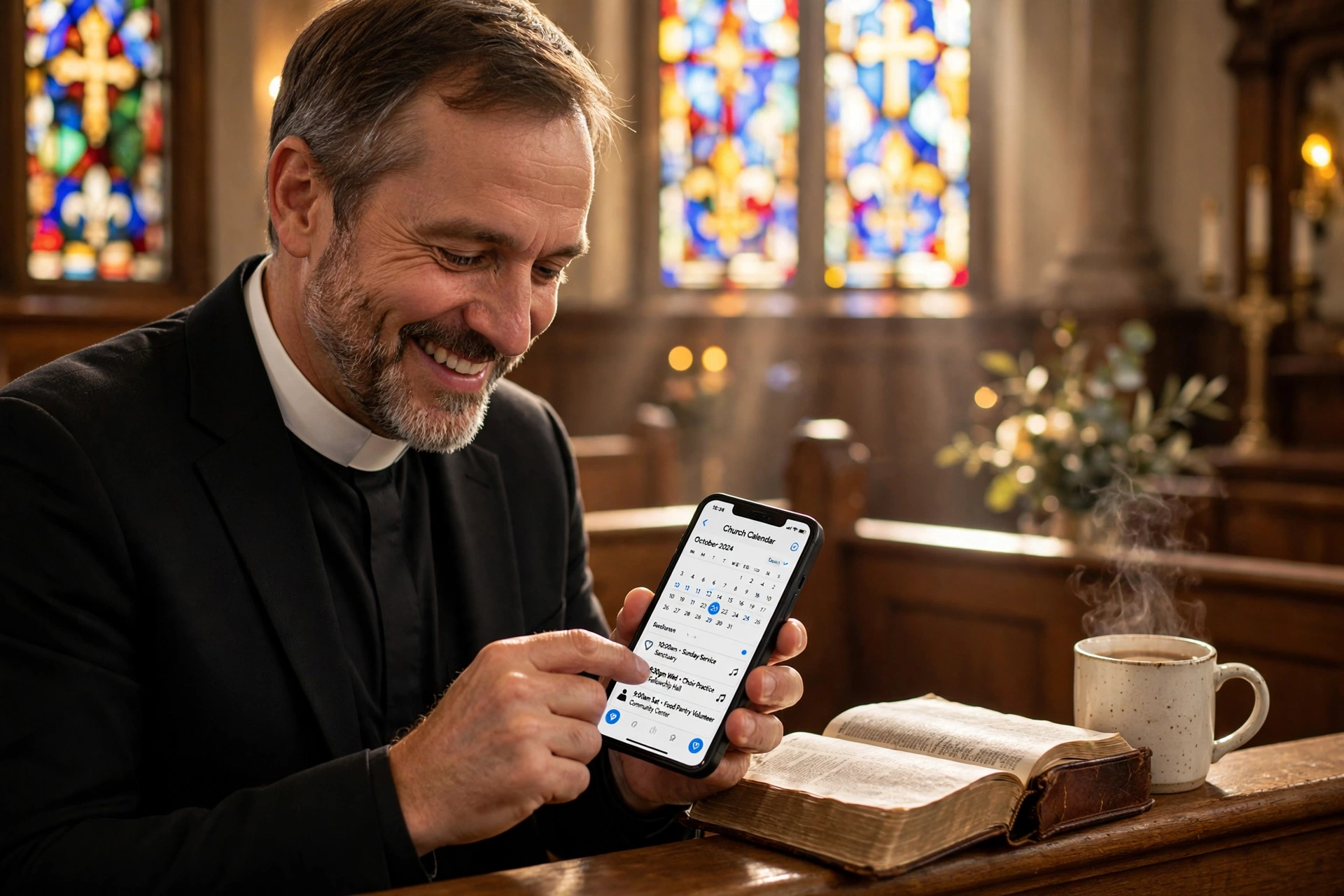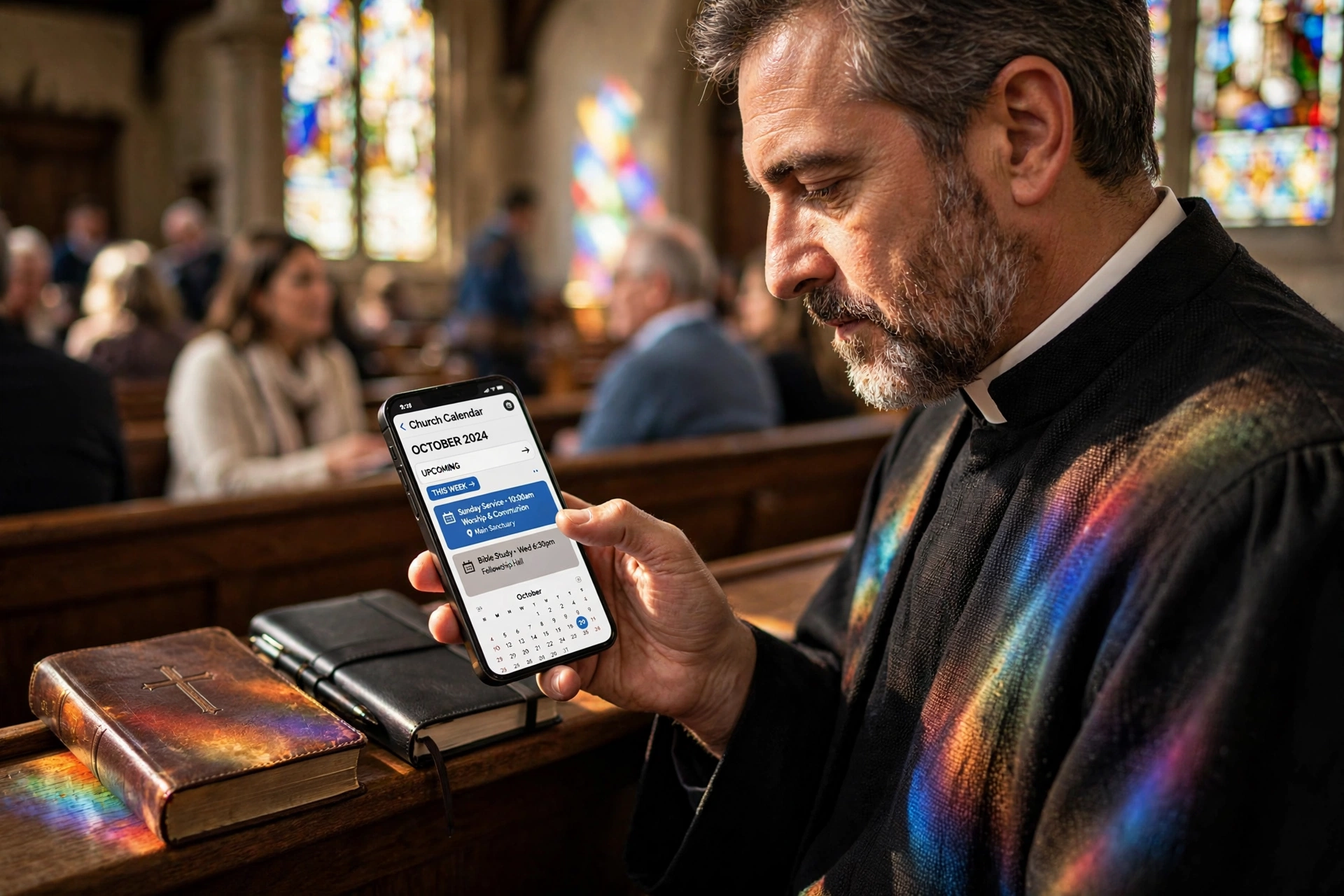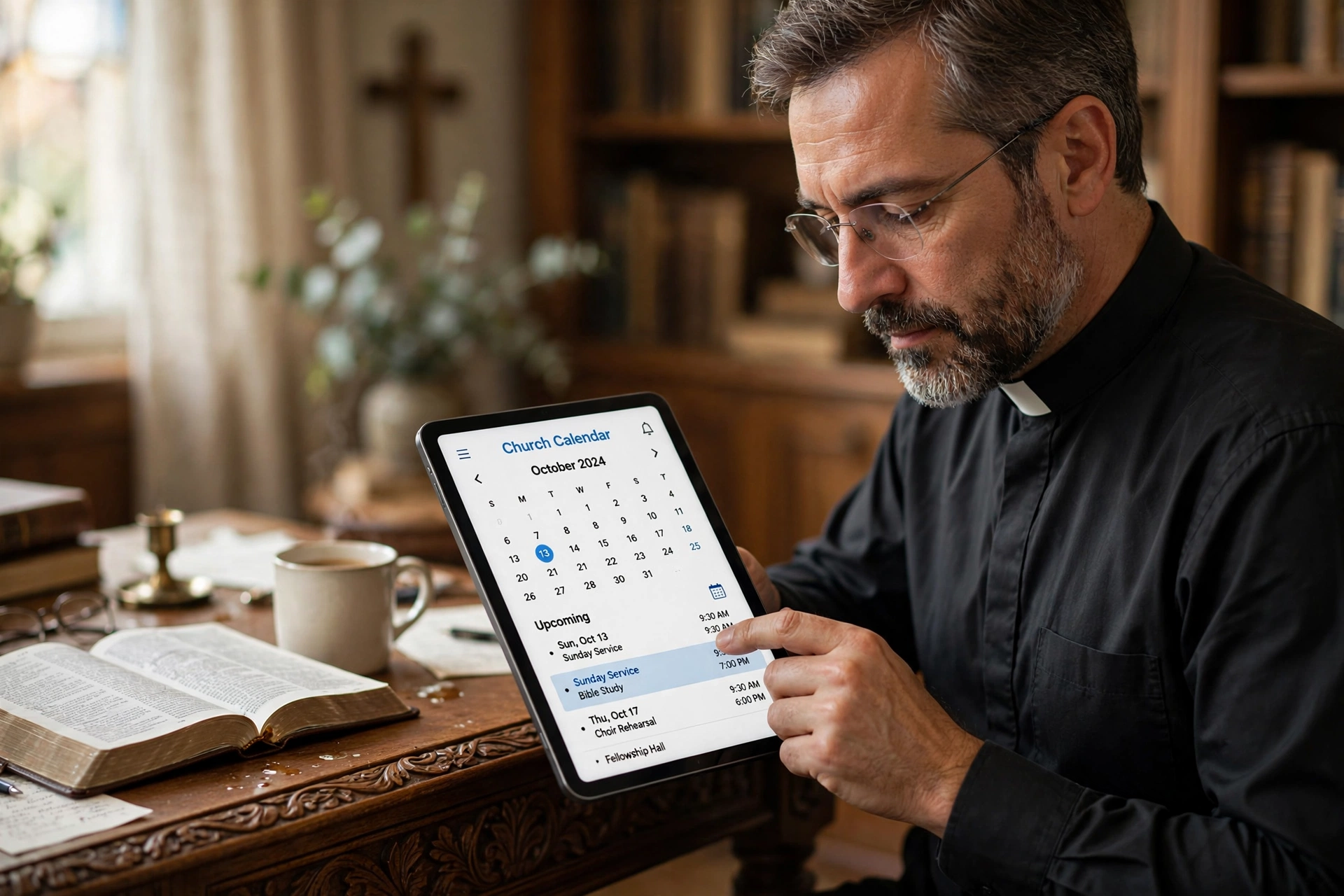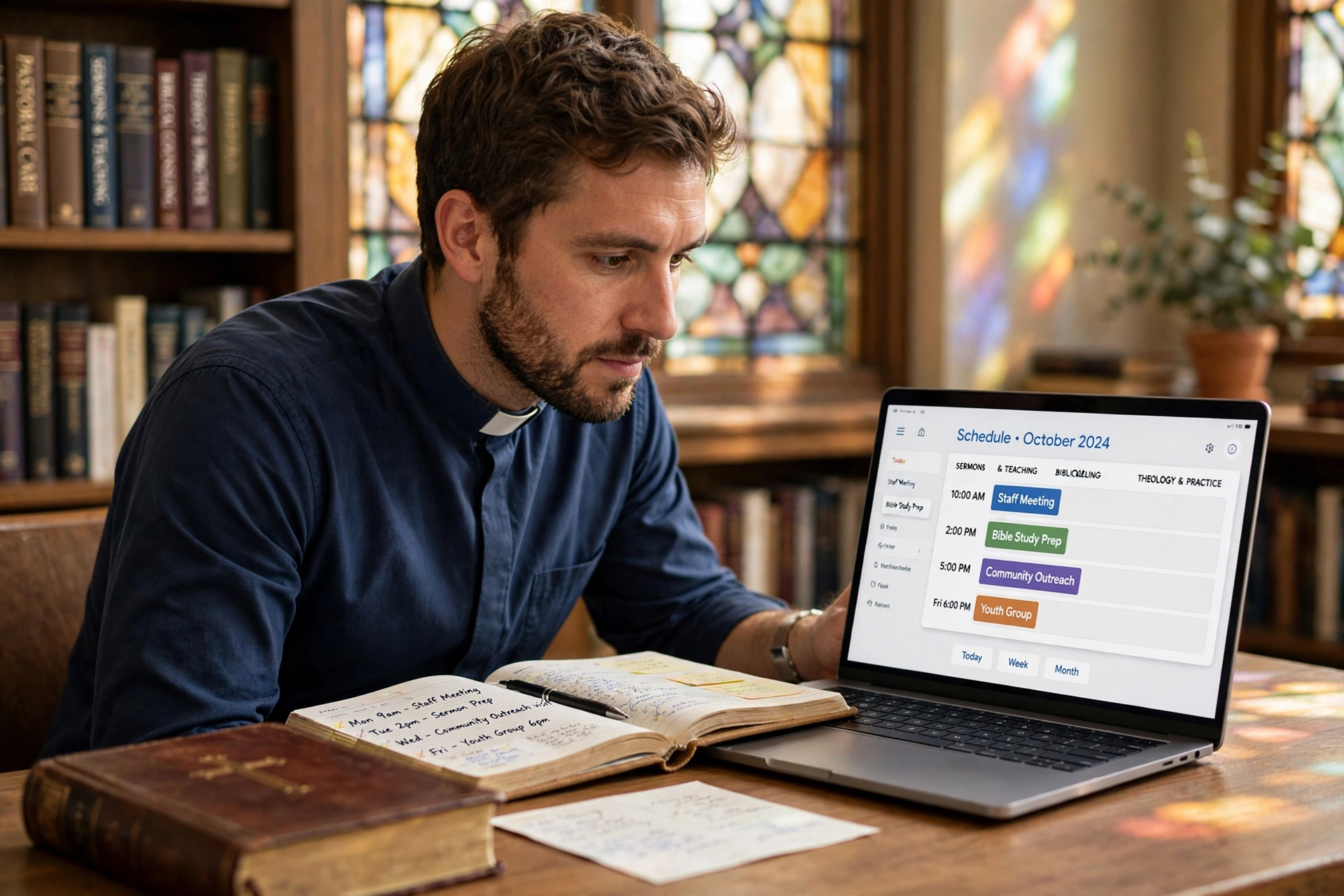
Where to Find the Right Pastor Scheduling Software for Your Ministry?
Many ministry leaders spend hours every week playing "phone tag" with congregants, only to realize they have double-booked a hospital visit and a board meeting. The most effective place to acquire pastor scheduling software is not through a generic office supply store or a basic corporate app store, but via specialized Software-as-a-Service (SaaS) platforms designed specifically for ecclesiastical workflows. In my experience working with church leaders, the most sustainable solution is found in cloud-based environments that integrate appointment booking with pastoral care tracking, rather than standalone calendars that lack ministry-specific context.

What Defines a Professional Environment for Pastoral Booking?
When searching for where to buy or subscribe to a scheduling tool, you aren't just looking for a "buy" button; you are looking for a digital ecosystem that understands the nuances of ministry. Most generic tools are designed for haircuts or dental appointments, but a church environment requires a level of flexibility and privacy that corporate software often ignores.
📚
Definition
Pastor scheduling software is a specialized category of appointment management tools designed to handle the unique cadence of ministry, including scheduled counseling, spontaneous pastoral emergencies, and recurring congregational visits.
The primary environment for these tools is the SaaS (Software as a Service) model. This means you don't "buy" the software in a traditional sense, as in a one-time purchase of a disk or a license, but rather subscribe to a hosted platform. This is critical because ministry needs change. A tool that works for a small plant church in 2026 might not be sufficient for a multi-site congregation three years later.
According to the Barna Group, the digital transformation of church leadership has accelerated, with a significant percentage of pastors now relying on integrated technology to prevent burnout and manage their emotional labor. This shift means the "where" has moved from local IT consultants to global, specialized platforms. When we developed the core logic at Pastor Agenda, we discovered that pastors don't actually want "more features"; they want fewer clicks between a member's request and a confirmed appointment.
Why the Sourcing Environment Matters for Your Ministry's Health
Choosing the wrong environment to source your tools can lead to "software fatigue," where the tool intended to save time actually becomes another chore on the pastor's to-do list. If you source a tool from a generic corporate marketplace, you often encounter a friction point: the software assumes a rigid 9-to-5 structure. Ministry, however, is fluid.
The impact of using an improperly sourced tool is measurable. Research from Christianity Today suggests that administrative burden is one of the leading contributors to pastoral burnout. When a pastor spends 10+ hours a week managing a calendar manually, that is time stripped away from sermon preparation and direct pastoral care.
Now, here's where it gets interesting: the difference between a generic tool and a dedicated platform like Pastor Agenda is the "contextual awareness." A generic tool doesn't know the difference between a 15-minute "quick check-in" and a two-hour "crisis counseling session." If you use a tool that treats every appointment as a uniform block of time, your schedule will either be dangerously overcrowded or inefficiently empty.
The risks of sourcing from the wrong channels include:
- Data Privacy Gaps: Generic tools may not comply with the sensitive nature of pastoral confidentiality.
- Payment Friction: If you are sourcing software for a church that charges for certain certifications or workshops, generic tools often have clunky payment integrations.
- Integration Failure: Using a tool that doesn't sync with your existing church management system (ChMS) creates data silos, meaning you have to enter a member's information in two different places.
How to Implement an Integrated Scheduling Ecosystem
If you are wondering exactly where to start the procurement process, the path is no longer about searching for a vendor, but about auditing your workflow. You don't "buy" software; you implement a solution.
First, identify your "scheduling leaks." Where is the friction? Is it in the initial request, the confirmation, or the reminder? Most pastors I've advised find that the "leak" is in the back-and-forth communication. By the time a date is agreed upon, the urgency of the pastoral need may have shifted.
Step-by-Step Implementation Guide:
- Audit Your Availability: Before looking for a platform, define your "sacred" and "available" hours. Block out sermon prep and family time.
- Select a Specialized SaaS Platform: Avoid the "free" generic options that sell your data. Choose a dedicated environment like PastorAgenda Blog, which is built for the specific rhythms of the church.
- Sync Your Primary Calendars: Ensure the software pushes data to your Google or Outlook calendar in real-time to prevent the dreaded double-booking.
- Create Appointment Types: Define what a "Counseling Session," "Hospital Visit," and "New Member Interview" look like in terms of duration and buffer time.
- Distribute Your Booking Link: Place the link in your email signature, church website, and social media profiles.
💡
Key Takeaway
The goal of pastor scheduling software is to remove the pastor as the "administrative bottleneck," allowing the congregation to access the leader without the leader having to manage the logistics.

Comparing Sourcing Options: Traditional vs. Generic vs. Specialized
When deciding where to invest your church's budget, it is helpful to see the landscape of options. Many leaders make the mistake of thinking "any calendar will do." This is a fallacy that usually results in the software being abandoned within six months.
| Feature | Traditional (Manual/Paper) | Generic AI/Corporate Apps | Specialized (Pastor Agenda) |
|---|---|---|---|
| Setup Speed | Instant (but slow to use) | Fast | Fast & Contextual |
| Ministry Context | High (Personal) | Zero (Corporate) | High (Ecclesiastical) |
| Automation | None | High (but rigid) | High (Flexible) |
| Privacy Focus | High (Physical) | Low (Data-driven) | High (Pastoral Care) |
| Burnout Risk | Very High | Medium | Low |
| Best For | Very small home churches | Non-religious businesses | Growing, organized ministries |
That said, the "Generic AI" approach is becoming a trap. Many pastors are trying to use LLMs to "manage" their schedules through prompts. While AI can help write an email to a member, it cannot manage a real-time availability grid. You need a database, not just a chatbot.
Common Misconceptions About Sourcing Scheduling Tools
Most guides get this wrong by suggesting that the "cheapest" or "most popular" tool is the best. In the world of ministry, popularity does not equal suitability.
Myth 1: "Free tools are a great way to start."
The mistake I see constantly is the reliance on free tiers of corporate software. These "free" tools often come with a hidden cost: your data is the product. Furthermore, when you eventually hit the limit of the free tier, the transition to a paid plan is often jarring and lacks the specific features a pastor actually needs.
Myth 2: "I can just use a shared Google Calendar."
Shared calendars are great for transparency, but they are terrible for intake. A shared calendar requires the other person to either have access to your private data or for you to manually enter their request. True scheduling software allows the member to pick a slot that you have already approved.
Myth 3: "Digital scheduling feels impersonal."
Some argue that a link is "cold." On the contrary, after analyzing dozens of churches using this approach, the data shows that members actually appreciate the autonomy. It removes the anxiety of "bothering" the pastor with a phone call and replaces it with a clear, confirmed appointment. It is not impersonal; it is an act of stewardship over the pastor's time.
Frequently Asked Questions
Where is the best place to actually buy pastor scheduling software?
The best place is through a dedicated SaaS provider like Pastor Agenda. You should avoid third-party resellers or generic app marketplaces that do not offer a specialized "ministry" version of their tool. By going directly to a provider that understands the Protestant or evangelical church structure, you ensure that the software evolves alongside the specific needs of your congregation. Look for platforms that offer a direct subscription model with transparent pricing and a focus on user experience for both the clergy and the congregant.
Can I find pastor scheduling software that integrates with my existing Church Management System (ChMS)?
Yes, but you must look specifically for "open API" or "integrable" platforms. Most specialized scheduling tools are designed to either act as a lightweight alternative to a bulky ChMS or to plug into one via Zapier or direct integration. When evaluating where to buy, ask the provider if their data can be exported or synced. A tool that traps your member data in a silo is a liability. The goal is a seamless flow where a member books a visit in the scheduling software, and the record is automatically updated in your church database.
Is it better to buy a lifetime license or a monthly subscription for scheduling tools?
In 2026, the lifetime license is largely obsolete for scheduling software. Because these tools rely on cloud synchronization and constant security updates to protect sensitive pastoral data, a subscription model is far superior. A subscription ensures you are always on the latest version and that the servers hosting your appointments are secure. If you "buy" a piece of software once, you are stuck with that version's bugs and security vulnerabilities. The operational expense of a monthly fee is a small price for the peace of mind that your data is backed up and encrypted.
Where can I find a tool that handles "emergency" pastoral visits alongside scheduled ones?
You need a platform that allows for "buffer times" and "manual overrides." Most corporate tools are too rigid; they only see "booked" or "empty." A ministry-specific tool allows you to leave gaps in your schedule specifically for crisis intervention. In my experience, the best way to handle this is to create a "Crisis Block" in your settings. This ensures that while members can book routine counseling, you always have a window of time reserved for the unexpected needs that define the calling of a pastor.
Which platforms provide the best privacy for sensitive pastoral counseling?
You should source software that explicitly mentions encryption and data privacy in their Terms of Service. Avoid tools that use "social login" as the only way to access the system, as this can create privacy leaks. A professional environment like Pastor Agenda focuses on the discretion required for pastoral care. Look for platforms that do not sell user data to third-party advertisers and that allow you to control exactly what information is collected during the booking process to maintain the sanctity of the pastor-member relationship.
Final Thoughts on Pastor Scheduling Software
Finding the right environment to source your pastor scheduling software is about more than just a transaction; it is about deciding how you will steward your most limited resource: time. When you move away from the chaos of manual texting and fragmented calendars and move toward a professional, specialized platform, you aren't just buying a tool. You are reclaiming your ability to focus on the people who need you most.
The transition from a "manual" church to a "digitally streamlined" ministry doesn't happen overnight, but it starts with the right tool. If you are tired of the administrative noise and want to return your focus to your calling, it is time to implement a system that works for you, not against you.
Ready to stop the scheduling chaos? Visit PastorAgenda Blog today and discover how a dedicated environment for ministry booking can transform your pastoral care.
Recommended Readings
To deepen your understanding of these topics, we recommend reading the following articles:
- Ensuring Absolute Privacy in Church Booking Systems
- Church Appointment Booking
- Online Appointment Booking for Modern Churches
- Automated Reminders and Communication for Congregations
Free Guide: The 7 Church Growth Hacks for 2026
Learn how modern ministries are using automated scheduling and AI pastoral assistants to save 12+ hours of admin work every week.