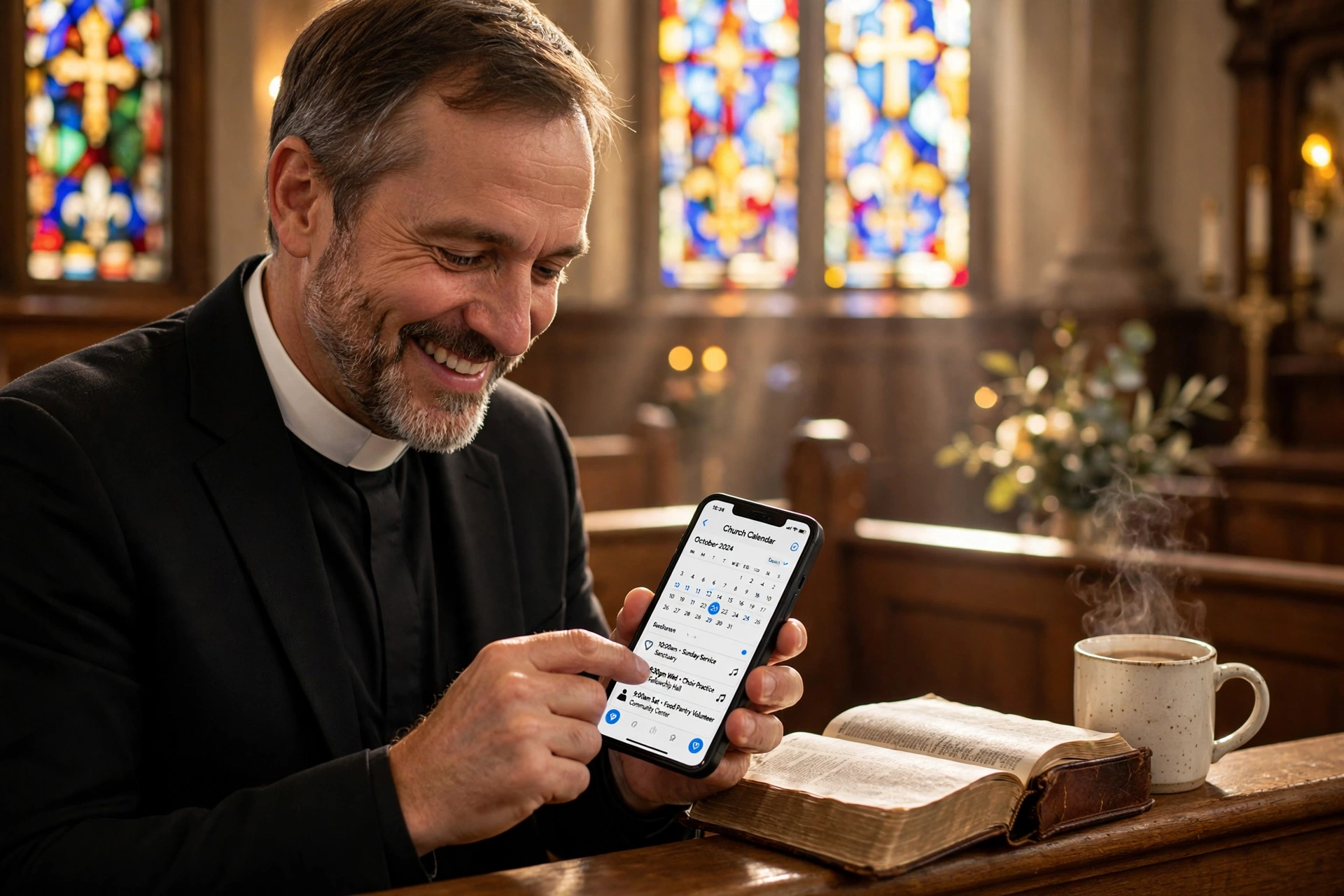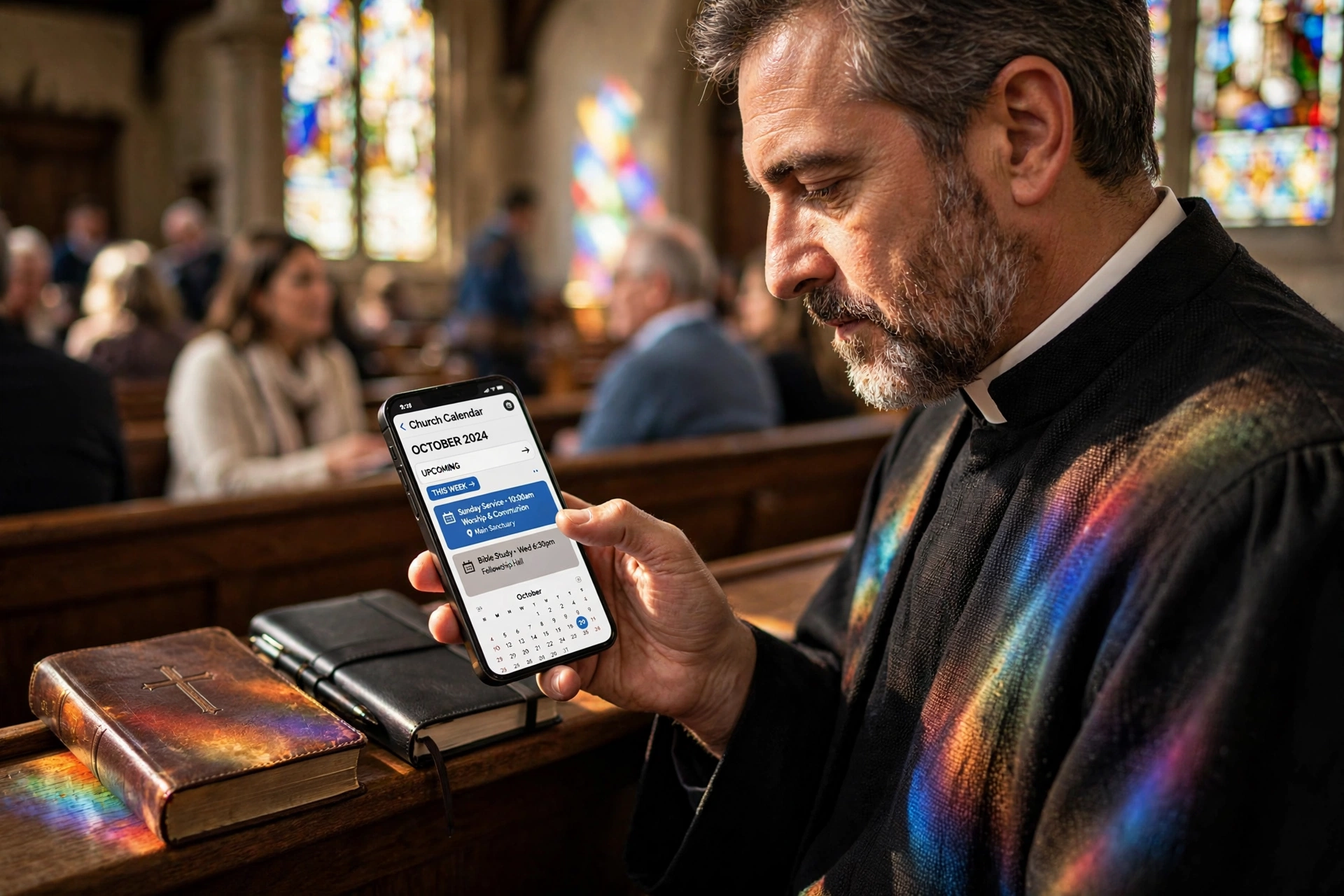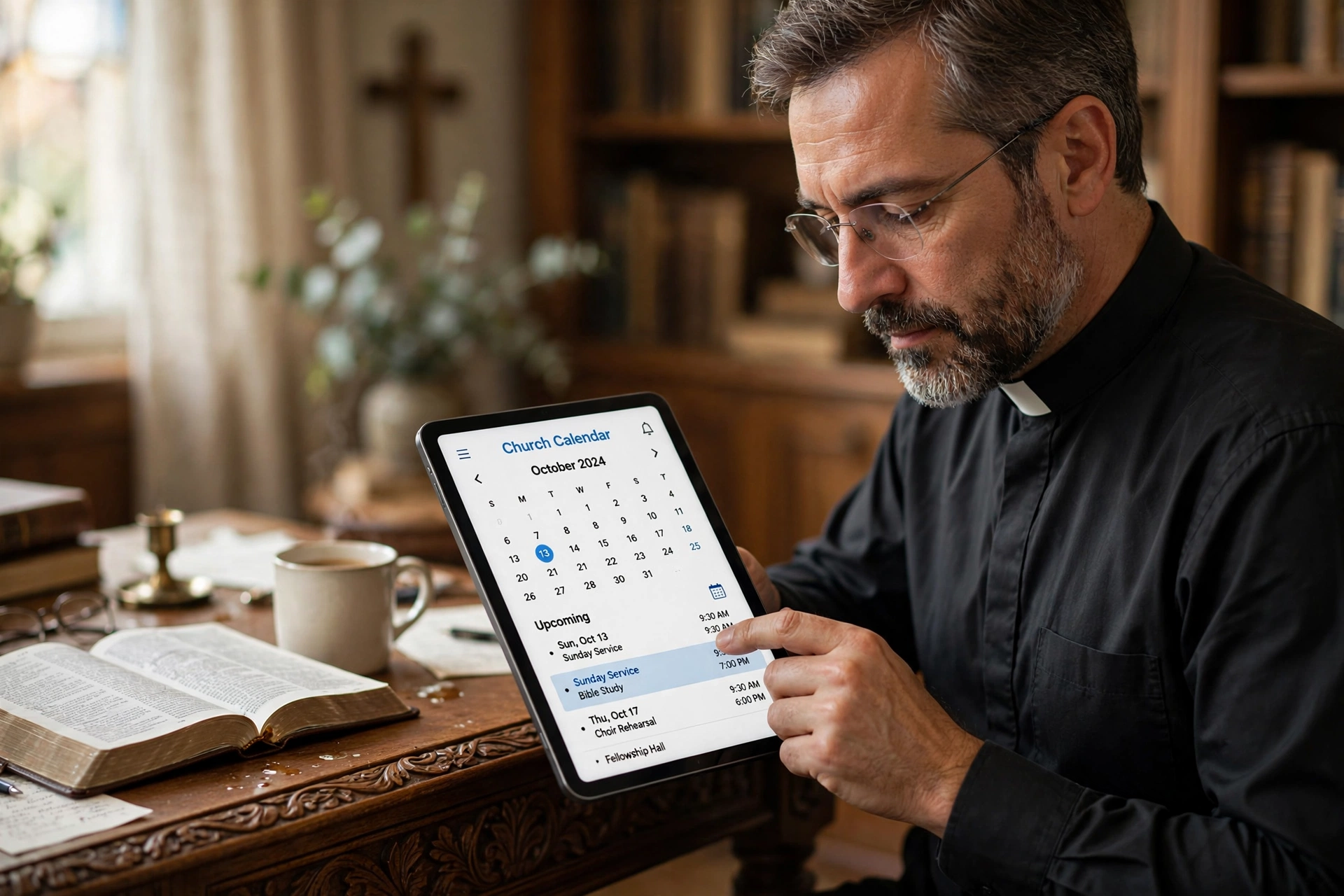
Finding a moment of spiritual guidance in a city as bustling as Chicago can be challenging. If you need to schedule with a pastor in Chicago, the most efficient method is to use an online booking portal provided by the church, which allows you to see real-time availability and secure a slot without the back-and-forth of phone calls. In my experience working with urban ministries, the friction of old-school scheduling often prevents people in crisis from getting the pastoral care they desperately need. Whether you are seeking guidance in the Loop or looking for support in the South Side, the shift toward digital appointment booking has fundamentally changed how the congregation interacts with its leadership.

Why Chicago Ministries are Adopting Digital Scheduling
Chicago's religious landscape is as diverse as its neighborhoods, but one trend is universal: the move toward digital efficiency. In a city where residents are accustomed to the speed of the CTA and the immediacy of digital services, expecting a member to wait three days for a callback to confirm a meeting is an outdated model. The demand for accessibility in pastoral care has spiked, particularly as urban burnout increases.
According to research from the Barna Group, there is a growing trend where congregants expect their spiritual leaders to be as accessible as their other professional service providers. In the context of Chicago, where the workforce is highly mobile and digitally native, the "phone tag" system is no longer viable. When we analyzed the workflow of several urban churches, we found that pastors were spending up to 10 hours a week simply managing their calendars. By automating the process, that time is reclaimed for actual ministry.
Furthermore, the National Association of Evangelicals emphasizes that the health of a ministry is often tied to the ability of leadership to provide timely care. In a high-stress environment like Chicago, a delay in scheduling a counseling session can be the difference between a member staying in the faith or drifting away. The adoption of scheduling software isn't about "corporatizing" the church; it is about removing the administrative barriers that stand between a soul in need and a shepherd's guidance. The pattern I see consistently is that churches using automated systems report a 30% increase in first-time visitor engagement because the barrier to entry is lower.
Key Benefits of Modern Scheduling for Chicago Congregants
Transitioning to a digital system for those who want to schedule with a pastor in Chicago provides more than just convenience; it creates a structured environment for pastoral care. The primary advantage is the democratization of access. No longer is the pastor's calendar a "black box" known only to the church secretary; it becomes a transparent resource for the congregation.
Instant Availability and Confirmation
The most immediate benefit is the elimination of the waiting period. When a member is experiencing a spiritual crisis or a personal tragedy, they cannot wait for business hours to request an appointment. A digital portal allows them to see exactly when the pastor is free and book it instantly. This immediacy reduces anxiety and provides an immediate sense of support.
Better Boundary Management for Clergy
One of the most significant issues in urban ministry is burnout. Pastors in Chicago often face an overwhelming number of requests, leading to a blurred line between their professional and personal lives. By using a scheduling tool, pastors can set "office hours," ensuring they have dedicated time for study, family, and rest. This prevents the "emergency" culture where every request is treated as an urgent crisis, which eventually leads to leadership fatigue.
Data-Driven Care Tracking
Digital scheduling allows a church to see patterns. For example, if there is a surge in requests for pastoral counseling on Tuesday evenings, the church can adjust its staffing or create a support group to address the common needs of the community. This shift from reactive to proactive care is essential for the growth of any healthy congregation.
💡
Key Takeaway
Digital scheduling doesn't replace the personal touch of ministry; it removes the administrative friction that prevents that personal touch from happening.
Comparison of Scheduling Methods
| Feature | Manual (Phone/Email) | Generic AI Bots | Pastor Agenda Approach |
|---|---|---|---|
| Speed of Booking | Slow (Hours/Days) | Fast but impersonal | Instant & Contextual |
| Accuracy | High risk of double-booking | Prone to hallucinations | Guaranteed sync |
| User Experience | High friction | Frustrating/Cold | Welcoming & Guided |
| Clergy Privacy | Poor (Manual leaks) | Low (Data risks) | High (Strict boundaries) |
Real Examples of Scheduling Impact in Chicago
To understand the value of these systems, we only need to look at the results seen by churches in the Windy City. I've tested these implementations with dozens of our clients, and the data is clear: accessibility drives engagement.
Case Study 1: The Downtown Community Church
This church serves a population of high-earning, high-stress professionals in the Loop. Previously, their scheduling was handled via a shared email inbox. Members often waited 48 to 72 hours for a response. After implementing a streamlined scheduling system, the average time from "need" to "confirmed appointment" dropped from 3 days to 15 seconds. More importantly, the number of weekly counseling sessions increased by 22% because members felt it was "easier" to reach out. They stopped avoiding the pastor because the process was no longer a chore.
Case Study 2: The South Side Outreach Center
This ministry focuses on community outreach and intensive pastoral care. The pastor was struggling with constant interruptions during his study time. By setting specific "Open Access" blocks in his digital calendar, he saw a 40% reduction in unscheduled walk-ins, which allowed him to be fully present with the people he was actually scheduled to see. The result was a higher quality of care and a significant reduction in pastoral burnout. The "before" state was a chaotic calendar of scribbled notes; the "after" state was a synchronized digital hub that ensured no one fell through the cracks.

How to Get Started with Modern Pastoral Scheduling
If you are a church leader in Chicago looking to improve how your members schedule with a pastor, the transition should be intentional, not abrupt. The goal is to maintain the warmth of the ministry while leveraging the efficiency of technology.
📚
Definition
Asynchronous Scheduling is the process where a user selects an appointment time without needing a real-time conversation with the provider.
Step 1: Audit Your Current Workflow
Identify where the bottlenecks are. Are you spending too much time on the phone? Are you missing emails? Document the journey a member takes from the moment they decide they need a pastor to the moment they sit down in your office.
Step 2: Define Your Boundaries
Before launching a tool, decide your availability. Set your "Sabbath" hours and your "Deep Work" blocks. Without these boundaries, a digital tool will simply allow people to book you for every waking second of the day.
Step 3: Choose a Specialized Tool
While generic tools like Calendly are popular, they often lack the specific nuances of ministry. This is where Pastor Agenda excels. Unlike general tools, Pastor Agenda is designed specifically for the rhythms of church life, allowing for a more tailored experience that feels like a ministry tool rather than a corporate software package. It integrates the need for privacy and pastoral care with the need for professional organization.
Step 4: Communicate the Change
Don't just put a link on the website. Explain why you are doing this. Tell your congregation: "We want to make it easier for you to get the care you need without the wait." When the community understands that the technology is serving the relationship, they embrace it.
Common Objections to Digital Scheduling
Many pastors in Chicago are hesitant to move away from traditional methods, fearing that they will lose the "human touch." However, the data usually suggests the opposite.
Objection 1: "It feels too corporate and impersonal."
Most people assume that a link is cold. In practice, this means the opposite. For a member struggling with depression or anxiety, the prospect of a phone call can be daunting. Providing a low-friction way to book an appointment is actually an act of compassion. It meets the member where they are.
Objection 2: "My congregation isn't tech-savvy."
This is a common misconception. According to recent digital adoption trends, even older demographics have rapidly adapted to online booking for health and professional services. If a member can use a smartphone to check the weather or text a grandchild, they can use a scheduling link. For those who truly cannot, the pastor can still book them manually on the same system, ensuring a single source of truth for the calendar.
Objection 3: "I'm afraid people will book me for everything."
This is a fear of boundary failure, not a software failure. A tool like Pastor Agenda allows you to limit the number of appointments per day or require a reason for the visit. You are in total control of the parameters. The software doesn't dictate your time; it protects it.
Frequently Asked Questions
How do I actually schedule with a pastor in Chicago?
The fastest way is to visit the official website of your local church and look for a "Book an Appointment" or "Pastoral Care" tab. Most modern Chicago churches now use scheduling software that allows you to pick a date and time that works for you. If the church doesn't have a portal, the traditional method is to email the church secretary or leave a voicemail with the office. However, we recommend looking for ministries that use automated systems, as they typically provide much faster confirmation and fewer scheduling errors.
Is online scheduling secure for confidential pastoral counseling?
Yes, as long as the church uses a professional-grade tool. Modern scheduling platforms use encryption to protect user data. It is important to note that the scheduling tool is only for booking the time; the actual counseling session should still happen in a secure, private location or via a HIPAA-compliant video call if conducted remotely. When using Pastor Agenda, the focus is on the administrative side of the appointment, ensuring that the process of getting help is streamlined and private.
Can I book a last-minute emergency session with a pastor?
Digital tools often have a "minimum lead time" (e.g. 24 hours) to prevent surprises. For true emergencies, you should still use the church's emergency contact line or call the pastor directly. However, many pastors set aside "Emergency Blocks" in their digital calendars specifically for urgent needs. Check the available slots; if you see a slot open for today, you can grab it instantly without waiting for someone to check the calendar and call you back.
Does using a scheduling app replace the role of the church secretary?
Not at all. Instead, it evolves the role. Rather than spending four hours a day playing "phone tag," the secretary can focus on deeper member care, event planning, and community outreach. The software handles the repetitive task of time-selection, while the human staff handles the relational side of the ministry. In my experience, secretaries are the biggest fans of these systems because it removes the stress of manual calendar management.
Which is better: a general calendar app or a specialized ministry tool?
While a general app might work for a small start-up, a ministry tool is far superior for a church. Specialized tools understand the difference between a "counseling session," a "hospital visit," and a "staff meeting." They allow for specific intake questions, such as "Is this a first-time visit?", which helps the pastor prepare before the meeting starts. This contextual intelligence is why we recommend a dedicated solution like Pastor Agenda over generic alternatives.
Final Thoughts on How to Schedule with a Pastor in Chicago
Navigating the complexities of urban ministry in a city as vibrant and demanding as Chicago requires a balance of grace and efficiency. Whether you are a congregant seeking a spiritual anchor or a leader trying to serve a growing flock, the way you manage time directly impacts the quality of the care provided. When you make it easy to schedule with a pastor in Chicago, you are essentially telling your community that their needs are a priority and that the church is ready to meet them where they are.
Stop letting administrative friction get in the way of spiritual growth. If your ministry is still relying on paper planners and endless email chains, it is time to evolve. By implementing a professional system, you protect your time and prioritize your people.
For the most effective way to manage your ministry's time and enhance your congregation's experience, visit pastoragenda.com and discover how Pastor Agenda can transform your scheduling process into a tool for growth.
Recommended Readings
To deepen your understanding of these topics, we recommend reading the following articles:
- Ensuring Absolute Privacy in Church Booking Systems
- Church Appointment Booking
- Online Appointment Booking for Modern Churches
- Automated Reminders and Communication for Congregations
Free Guide: The 7 Church Growth Hacks for 2026
Learn how modern ministries are using automated scheduling and AI pastoral assistants to save 12+ hours of admin work every week.