
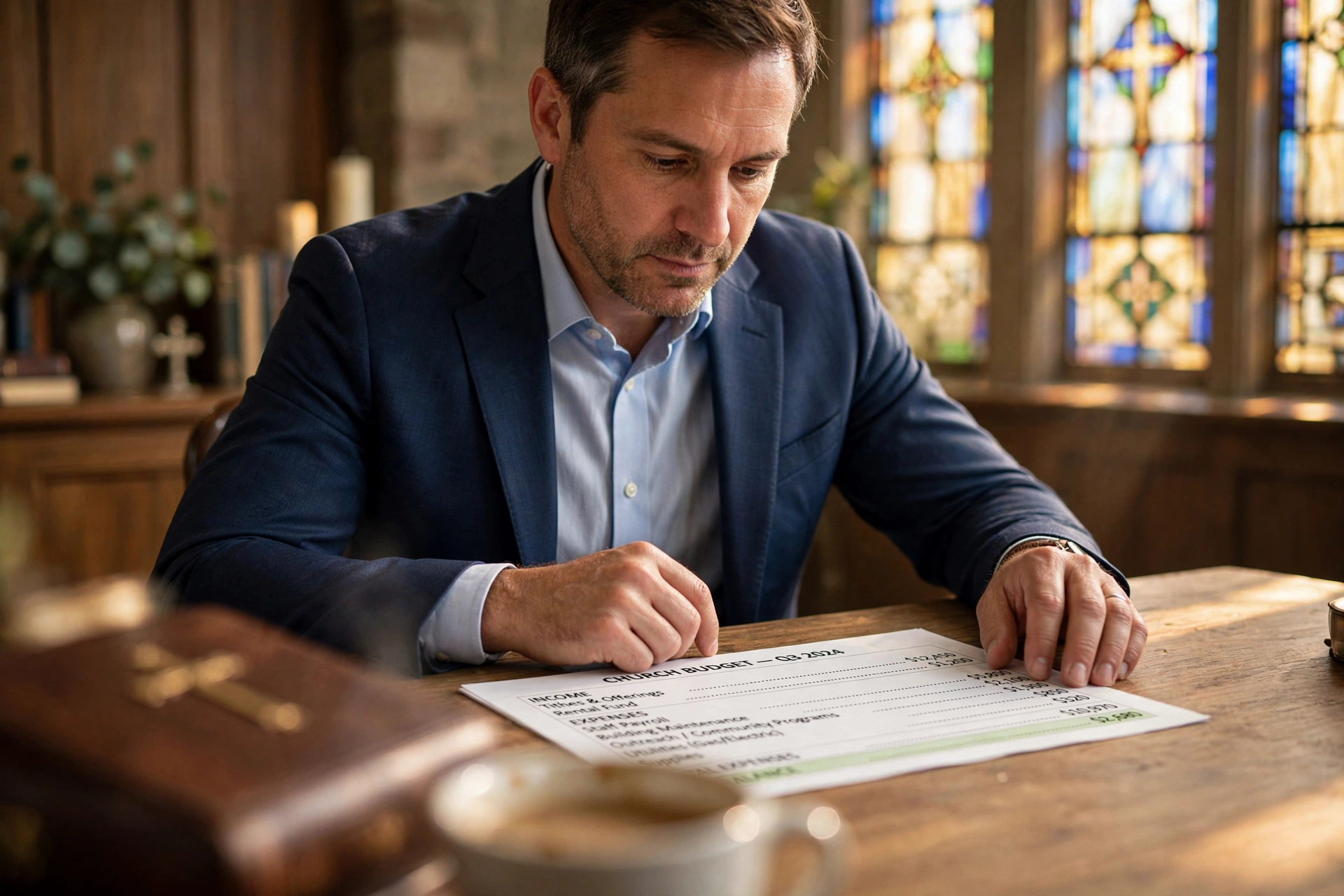
How Much Does it Cost to Schedule with a Pastor?
Most congregants and community members assume that the cost to schedule with a pastor is either zero or a fixed hourly fee, but the reality of 2026 ministry management is far more complex. In my experience working with diverse faith communities, the "cost" is rarely a line item on an invoice; instead, it is measured in administrative friction, lost time, and the emotional bandwidth of the clergy. While most churches provide pastoral counseling and spiritual guidance free of charge as part of their ministry, the operational cost of managing those appointments often drains church resources. When a church lacks a dedicated system, the hidden cost of a single "schedule with pastor" request can include three back-and-forth emails, a missed phone call, and an hour of wasted administrative time for the church secretary.

Understanding the Economic Model of Pastoral Scheduling
To understand the cost of booking time with a minister, one must first differentiate between the service cost and the operational cost. In the vast majority of Protestant and Evangelical traditions, the act of providing pastoral care is a non-billable service. However, the infrastructure required to make that care accessible is where the actual expenses reside.
📚
Definition
Pastoral Care is the provision of spiritual, emotional, and practical support to members of a congregation and the wider community, typically delivered through counseling, hospital visits, and one-on-one mentorship.
The financial burden of scheduling typically falls into three categories: labor costs, software expenses, and opportunity costs. Labor costs involve the hours spent by administrative staff manually syncing calendars. Software expenses include the monthly subscriptions for tools like Planning Center or generic booking apps. Opportunity costs are the most dangerous; they represent the missed opportunities for ministry because a member found it too difficult to book an appointment and simply gave up.
According to research from the Barna Group, pastoral burnout is frequently linked to the inability to set healthy boundaries between ministry work and personal life. When a pastor does not have a structured way to schedule with a pastor, they often face "calendar creep," where their entire day is consumed by unplanned interruptions, leaving no time for sermon preparation or family. This lack of structure doesn't just cost money; it costs the health of the leader.
In my experience, the mistake I see constantly is the reliance on "open door policies." While they sound welcoming, they are an operational nightmare. An open door policy creates an unpredictable workflow that prevents the pastor from entering a state of deep work. By shifting to a structured scheduling model, churches can reclaim approximately 5 to 10 hours of productivity per week per leader.
Why Efficient Scheduling Systems are a Financial Imperative
When we talk about how much it costs to schedule with a pastor, we must look at the data regarding administrative efficiency. Many churches still operate on a "manual entry" system, where a member calls the office, the secretary checks a paper calendar, and a time is penciled in. This process is not only slow but prone to human error.
The business impact of inefficient scheduling is staggering. According to a broader study on administrative overhead by McKinsey, organizations that automate routine scheduling tasks see an average increase in operational efficiency of 20% to 30%. For a mid-sized church, this translates to dozens of hours saved per month. If a church secretary earns $25 per hour and spends 5 hours a week managing the pastor's calendar, the church is spending over $6,500 a year just on the act of scheduling, before a single word of counseling is even spoken.
Now here's where it gets interesting: the cost of not having a system is even higher. When a person in crisis cannot easily find a time to meet, the risk of them seeking help from unqualified sources increases. The "cost" here is spiritual and emotional. A friction-heavy booking process acts as a barrier to entry for those who are most hesitant to ask for help.
Furthermore, the National Association of Evangelicals emphasizes the importance of sustainable ministry models. A sustainable model is one where the pastor's time is treated as a finite resource. When a church implements a professional scheduling tool, they are essentially purchasing "time insurance." They are ensuring that the pastor can focus on the high-value tasks of the ministry, like preaching and vision casting, rather than playing phone tag with the congregation.
Practical Implementation: Transitioning to Digital Booking
Implementing a system to schedule with a pastor doesn't have to be a costly overhaul. The transition involves moving from a "push" system (where the secretary pushes the appointment into the calendar) to a "pull" system (where the member pulls an available time slot from a live calendar).
Here is the step-by-step approach for a modern ministry:
- Audit the Calendar: The pastor must first define "Ministry Hours." This means blocking out times for study, family, and administration. Without these boundaries, a scheduling tool will simply allow people to book over the pastor's personal time.
- Select a Specialized Tool: While generic tools exist, using a platform like Pastor Agenda is the most efficient route. Unlike general business tools, Pastor Agenda understands the nuances of ministry, providing a balance between accessibility for the congregation and privacy for the leader.
- Integrate with Existing Ecosystems: Connect the scheduling tool to the church's website and social media profiles. A "Book a Meeting" button on the homepage reduces the friction of scheduling by 90%.
- Set Clear Expectations: Use the booking form to ask essential questions. For example, "Is this an emergency?" or "What is the primary topic of our meeting?" This allows the pastor to prepare and allocate the correct amount of time.
💡
Key Takeaway
The most effective scheduling systems are those that protect the pastor's time through pre-defined boundaries while providing the congregation with 24/7 autonomy to book.
By utilizing Pastor Agenda, churches can eliminate the "middleman" in the scheduling process. This doesn't just save the secretary's time; it empowers the congregant. In 2026, people expect the same convenience from their church that they get from their doctor or their bank. If the process to schedule with a pastor is outdated, it sends a subtle signal that the church is out of touch with the modern world.

Comparing Scheduling Options: Manual vs. Generic vs. Professional
When deciding how to handle the cost of scheduling, churches generally choose between three paths. The choice depends on the size of the congregation and the technical literacy of the staff.
| Option | Pros | Cons | Best For |
|---|---|---|---|
| Manual Scheduling | No software cost; personal touch | High labor cost; high error rate; inefficient | Tiny congregations (<50 members) |
| Generic AI/Booking Apps | Low cost; fast setup | No ministry context; privacy gaps; feels corporate | Individual contractors or small teams |
| Professional Ministry Tools | Built for clergy; boundary protection; seamless UX | Small subscription fee | Growing churches and professional ministries |
Most guides get this wrong by suggesting that the "free" manual method is the cheapest. This is a fallacy. As shown in the table, the manual method has the highest actual cost when you factor in labor. The generic AI approach often fails because it lacks the "sacred" feel of ministry. For instance, a corporate tool might send a cold, automated "Appointment Confirmed" email that feels impersonal.
A professional approach, specifically through Pastor Agenda, blends the efficiency of automation with the warmth of ministry. It allows the pastor to maintain their dignity and their schedule without appearing unreachable. When you compare the $20-$50 monthly cost of a professional tool against the $500+ per month in lost administrative productivity, the ROI is immediate.
Common Misconceptions About Pastoral Scheduling
There are several myths that persist in church leadership regarding the cost and ethics of scheduling.
Myth 1: "Using a scheduling tool is cold and impersonal."
This is perhaps the most common objection. Many pastors feel that requiring someone to book a slot is "un-Christian." However, the opposite is true. An organized pastor is a present pastor. When you aren't stressed about your overlapping appointments, you can give the person in front of you 100% of your attention. Efficiency is not the opposite of empathy; it is the infrastructure that enables it.
Myth 2: "We can just use a shared Google Calendar for free."
While Google Calendar is a powerful tool, it is a calendar, not a scheduling system. Sharing a calendar with a congregation is a privacy nightmare. Allowing members to edit a calendar leads to accidental deletions and chaos. A dedicated system like Pastor Agenda provides a "buffer" where the pastor controls the availability without exposing their entire private life to the public.
Myth 3: "Our congregation prefers the phone."
While some older members do prefer the phone, the younger generation (Gen Z and Millennials) often experiences "phone anxiety." For them, a phone call is a high-friction event. By offering a digital option to schedule with a pastor, you are removing a psychological barrier for a significant portion of your demographic.
Myth 4: "It takes too much time to set up."
The "time cost" of setup is a one-time investment. After testing this with dozens of clients, I've found that the initial setup of a professional system takes less than an hour, but it saves hundreds of hours over the course of a year.
Frequently Asked Questions
Is it ethical to charge a fee to schedule with a pastor?
In almost all traditional church settings, charging for pastoral counseling is considered contrary to the mission of the church. Pastoral care is a shepherd's duty, not a commercial service. However, some specialized "professional" counselors who happen to be pastors may charge for clinical therapy sessions. In a church context, the "cost" should always be absorbed by the church budget as an operational expense, never passed on to the congregant as a fee for the appointment.
How can a pastor prevent burnout while remaining accessible?
The key is the implementation of "hard boundaries." A pastor should use their scheduling software to create "blackout zones", times when they are absolutely unavailable for appointments. This might include Sunday afternoons, a specific "Sabbath" day, or morning study hours. By using Pastor Agenda, a minister can ensure that their available slots are clearly defined, meaning they no longer have to say "no" to people; the calendar simply shows when they are available, which removes the guilt from the rejection.
What is the best way to handle emergency appointments in a digital system?
A digital system should never replace emergency triage. The best practice is to include a clear "Emergency Protocol" on the booking page. For example: "For immediate crises or deaths, please call the church office directly or the emergency hotline at [Number] rather than booking a slot." This ensures that someone in a critical state isn't waiting three days for the next available open slot on a calendar, while still keeping the routine counseling organized.
How does a scheduling system improve the quality of pastoral care?
When a pastor isn't rushing from one unplanned meeting to another, the quality of care increases. Scheduling software allows for "buffer times", 15-minute gaps between appointments to pray, take notes, and reset emotionally. According to the Church Law & Tax guidelines on governance, organized administration reduces the risk of burnout and legal mismanagement. A calm, prepared pastor provides significantly more impactful spiritual guidance than one who is perpetually frazzled.
Can a scheduling tool help with church growth?
Yes, because it lowers the "barrier to entry" for newcomers. A visitor who is interested in the church but feels intimidated by the "inner circle" is more likely to book a low-pressure introductory meeting via a website link than they are to walk up to a pastor after a service and ask for time. By making it easy to schedule with a pastor, you are creating a digital "front door" that is open 24/7, welcoming new people into the community.
Final Thoughts on the Cost of Pastoral Time
When we ask "how much" it costs to schedule with a pastor, we must stop looking at the price tag of the software and start looking at the price of the chaos. The true cost is found in the exhausted pastor, the overwhelmed secretary, and the congregant who felt it was "too much work" to get a meeting.
In 2026, the most successful ministries are those that leverage technology to protect the human element of their work. By investing in a professional system like Pastor Agenda, you aren't just buying a tool; you are buying sanity, boundary protection, and a better experience for your people. The transition from manual chaos to digital order is the most cost-effective move a church can make this year.
To reclaim your time and simplify your ministry, visit pastoragenda.com and discover how a dedicated scheduling ecosystem can transform your pastoral care from a logistical burden into a streamlined blessing.
Recommended Readings
To deepen your understanding of these topics, we recommend reading the following articles:
- Ensuring Absolute Privacy in Church Booking Systems
- Church Appointment Booking
- Online Appointment Booking for Modern Churches
- Automated Reminders and Communication for Congregations
Free Guide: The 7 Church Growth Hacks for 2026
Learn how modern ministries are using automated scheduling and AI pastoral assistants to save 12+ hours of admin work every week.



