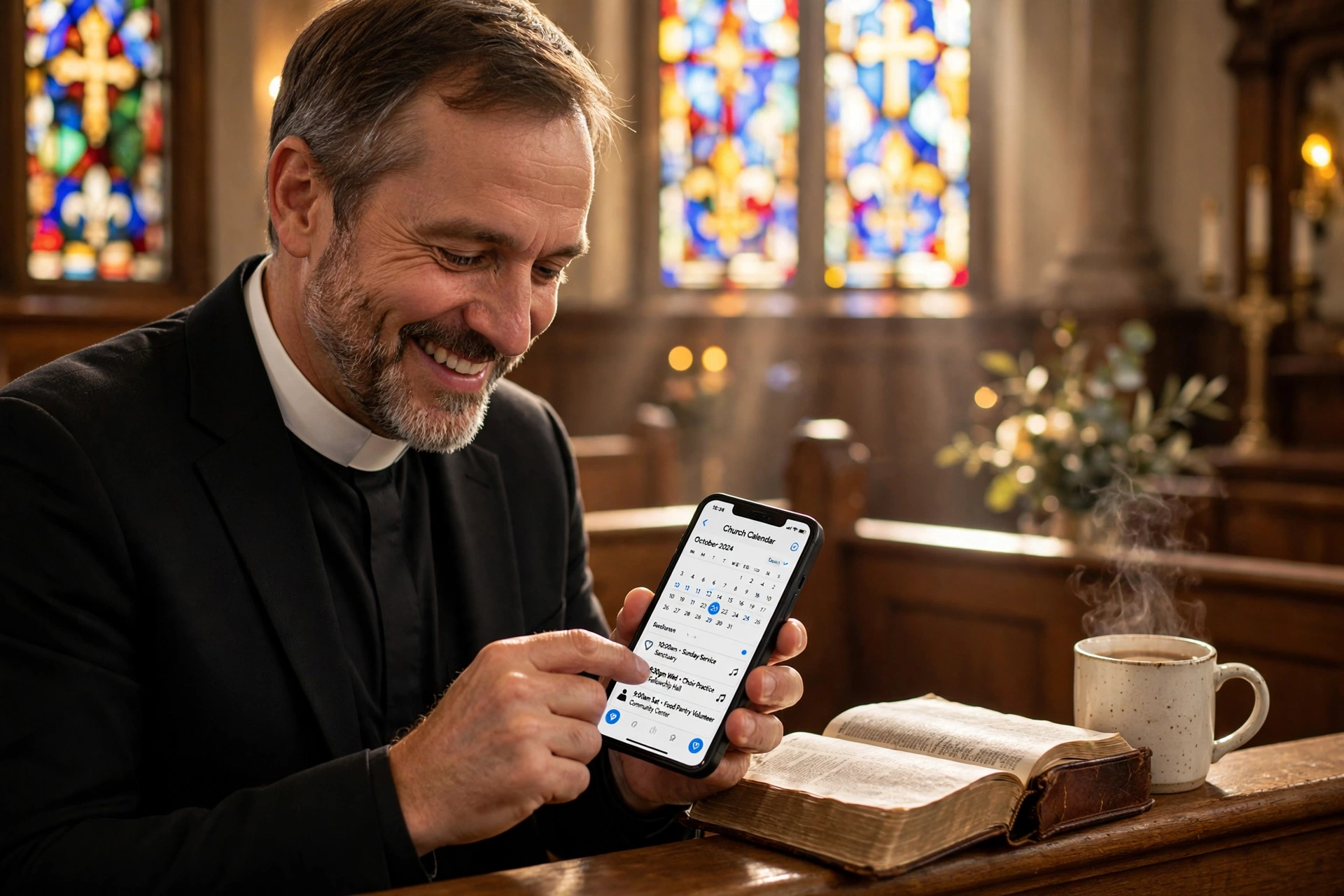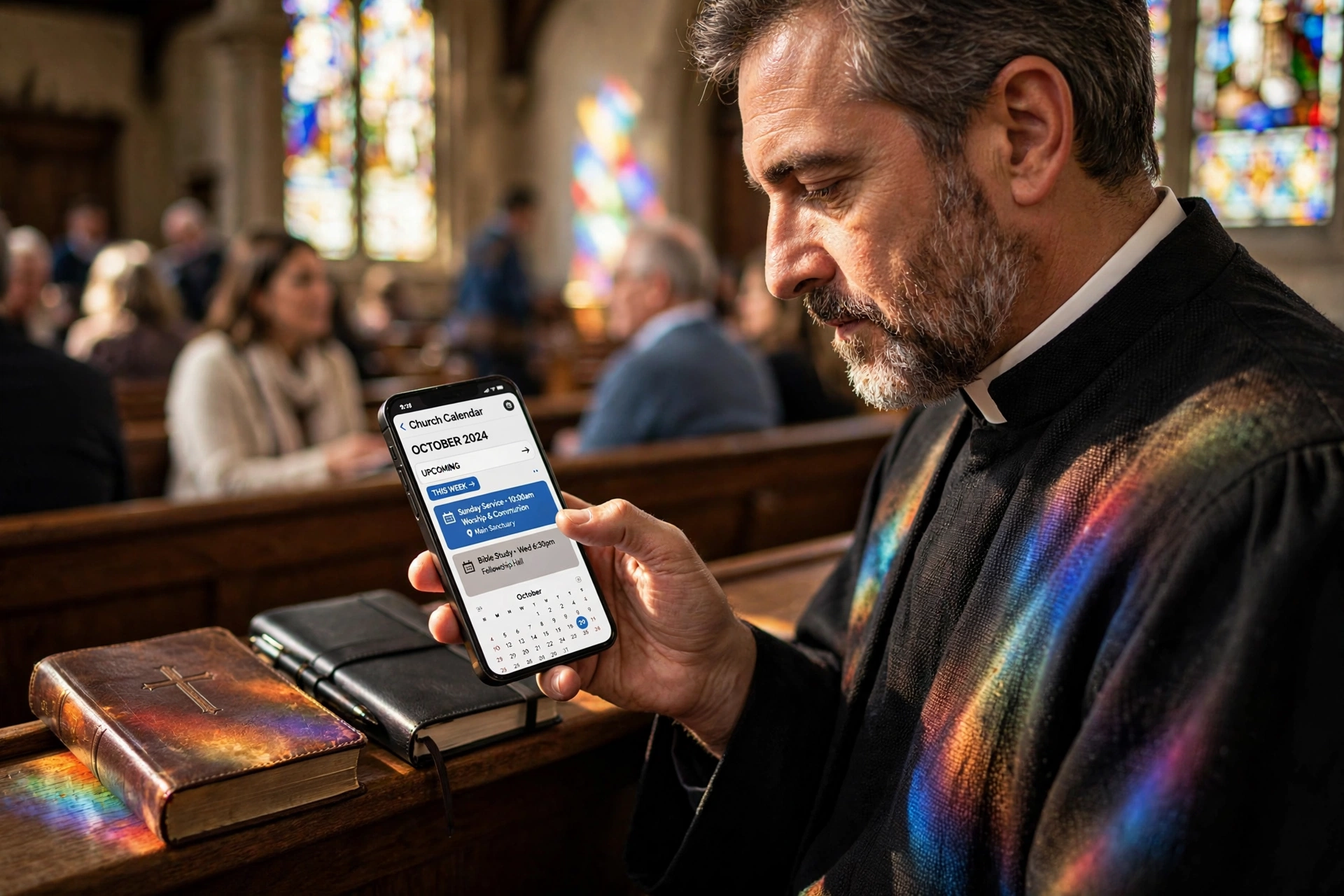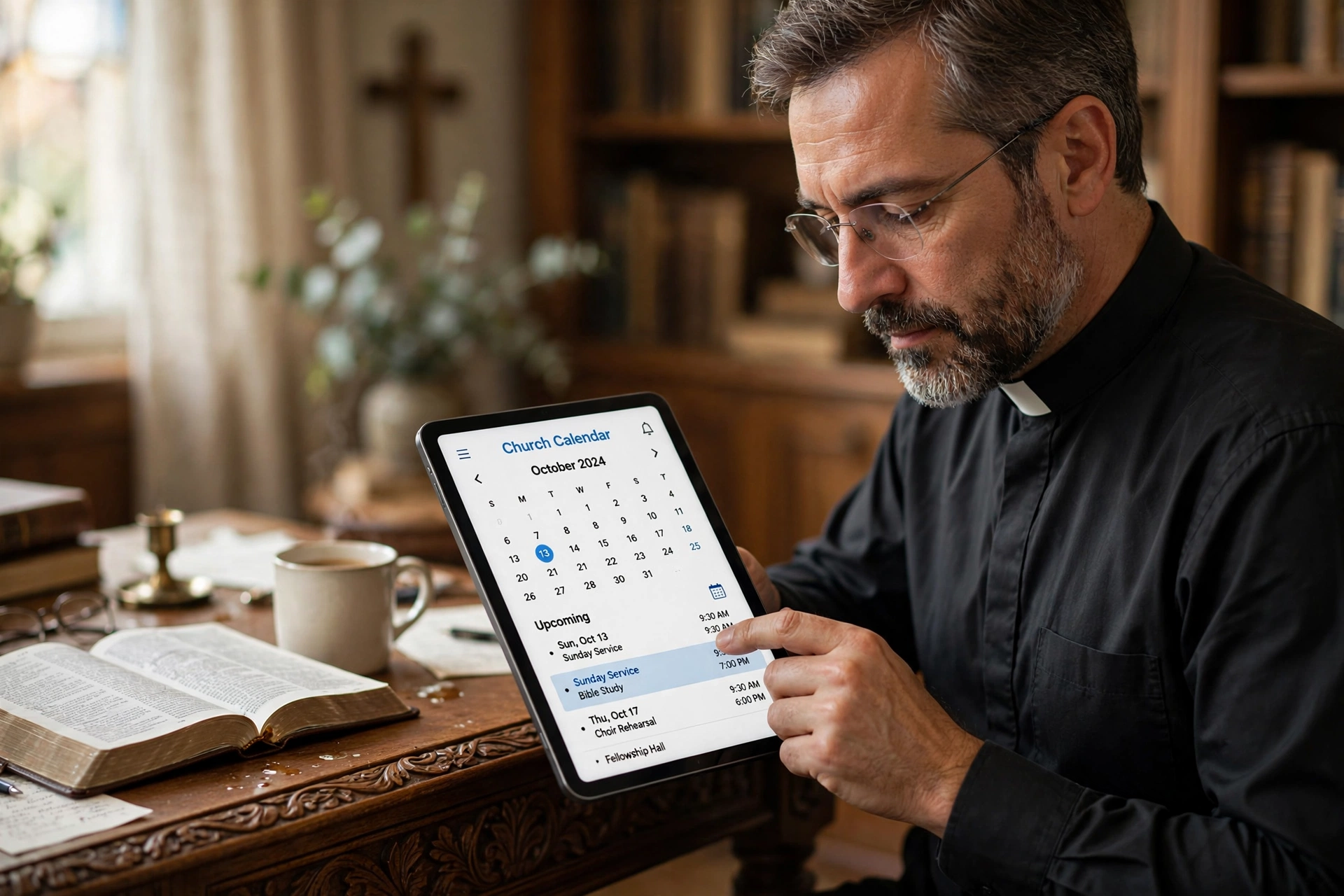
Managing a ministry in a city as vibrant and spiritually active as Memphis requires more than just a spiritual calling; it requires operational precision. For leaders in the Bluff City, efficient pastor calendar management in Memphis means transitioning from manual, friction-heavy scheduling to automated systems that protect the pastor's time for prayer and study while remaining accessible to the congregation. The direct answer for leaders seeking this optimization is to implement a specialized appointment booking ecosystem that integrates pastoral care boundaries with real-time availability, ensuring that urgent crisis interventions and routine counseling are balanced without leading to burnout.
In my experience working with faith leaders across Shelby County, the most common point of failure isn't a lack of will, but a lack of a system. I've seen countless ministers in Memphis struggle with 'calendar bleed,' where a quick 15-minute coffee meeting at a local spot in Midtown accidentally expands into a three-hour counseling session because there were no structural guardrails in place. When we designed the workflows at Pastor Agenda, we specifically addressed this by creating buffers that allow a minister to transition mentally and spiritually between a board meeting and a grieving family's home visit.
Why Memphis Ministries are Adopting Advanced Calendar Systems?
Memphis is a unique intersection of deep historical roots and a rapidly evolving urban landscape. From the sprawling congregations in South Memphis to the boutique ministries in Germantown, the demand for pastoral presence is immense. The shift toward digitized scheduling is not about replacing the personal touch, but about preserving it. According to Barna Group, pastoral burnout is reaching critical levels, with a significant percentage of leaders citing administrative overload as a primary driver of stress. In a city where the pace of ministry is accelerated by a high density of churches and community needs, the risk of burnout is amplified.
Furthermore, the demographic shift in the Mid-South shows a growing expectation for digital accessibility. Younger congregants in Memphis are less likely to call a church office to schedule a meeting and more likely to seek a booking link. This shift in behavior creates a gap: if a pastor relies on a secretary to manually enter appointments into a paper planner, they are inadvertently creating a barrier to entry for a generation that views instant scheduling as a standard.
Data from the National Association of Evangelicals (NAE) suggests that structured ministry leadership, which includes time-blocking and boundary setting, leads to longer tenure in the pulpit. In Memphis, where community leadership often extends into social activism and urban development, the pastor's role is often multi-faceted. Without a dedicated system, the 'hidden' work of the ministry, the planning, the preparation, and the recovery, is the first thing to be sacrificed. By adopting a professional framework for scheduling, Memphis pastors can ensure that their commitment to the city does not come at the expense of their own mental health or family stability.

What Are the Key Benefits of Professional Scheduling for Memphis Leaders?
Implementing a professional system for calendar management transforms the office from a place of chaos to a center of strategic operations. The primary benefit is the reclamation of "deep work" time. For a pastor, deep work is sermon preparation and theological study. When a calendar is fragmented by random appointments, the cognitive load required to restart a complex thought process after an interruption is immense. By clustering appointments, leaders can dedicate entire mornings to the Word and afternoons to the people.
Elimination of Scheduling Friction
Scheduling friction occurs every time a member of the congregation has to play "email tag" or "phone tag" to find a time that works. In a high-trust environment like a church, this friction can feel like a lack of care. A streamlined system allows a member to see exactly when the pastor is available and book it instantly. This transparency reduces the administrative burden on church secretaries, who are often overwhelmed by the manual coordination of multiple calendars.
Protection of Pastoral Boundaries
One of the most overlooked aspects of ministry is the need for a "Sabbath" for the schedule. Professional tools allow pastors to set strict boundaries, such as "No Meetings Fridays", that are automatically enforced by the software. This prevents the common Memphis ministry trap of being "on-call" 24/7. When the system handles the boundaries, the pastor doesn't have to be the "bad guy" by saying no; the system simply shows no availability, which is perceived as a professional boundary rather than a personal rejection.
Improved Data for Congregational Care
When scheduling is digitized, it creates a searchable record of care. If a pastor in Memphis can look back and see that a specific family hasn't had a counseling session in six months, they can proactively reach out. This transforms the calendar from a reactive tool into a proactive instrument of discipleship.
💡
Key Takeaway
The most significant benefit of automated calendar management is the shift from reactive crisis management to proactive congregational care, allowing pastors to spend more time in the Word and less time in the inbox.
| Feature | Manual/Paper Planning | Generic AI Tools | Pastor Agenda Approach |
|---|---|---|---|
| Booking Speed | Slow (Phone/Email) | Fast (Link) | Instant (Ministry-Optimized) |
| Boundary Control | Low (Easily Ignored) | Moderate (Basic blocks) | High (Pastoral Buffers) |
| Care Tracking | None (Lost in notes) | Basic (List of names) | Strategic (Care-based records) |
| Stress Level | High (Constant interruptions) | Medium (Noise/Alerts) | Low (Structured blocks) |
Real-World Examples of Calendar Optimization in Memphis
To understand the impact of these systems, we only need to look at the shift in productivity within local congregations. Consider a mid-sized church in East Memphis that previously relied on a shared Google Calendar managed by a part-time administrator. The pastor was frequently double-booked, and the administrator spent roughly 12 hours a week just coordinating appointments between the pastor, the elders, and the congregation. This created a culture of apology, where the pastor often arrived late to meetings, inadvertently signaling that his time was disorganized.
After transitioning to a dedicated scheduling framework, the church implemented a "Tiered Access" system. Urgent pastoral emergencies were routed through a specific emergency link, while routine counseling was limited to Tuesday and Thursday afternoons. The result was a 35% increase in sermon preparation time and a total elimination of double-bookings. More importantly, the pastor reported a significant decrease in anxiety, as he no longer feared an unknown appointment appearing on his schedule without context.
Another example involves a smaller, plant-based ministry in the Overton Park area. Because the lead pastor was also acting as the primary administrator, the lack of a system meant he was answering booking requests via text message at 11 PM. This led to a state of chronic fatigue. By implementing an automated booking system with a 24-hour lead-time requirement, he reclaimed 10 hours of personal time per week. He was able to set a hard stop at 6 PM, and the congregation adapted quickly, appreciating the professionalism and the clear expectations of his availability. The data shows that when a leader models healthy boundaries, the congregation follows suit, creating a healthier overall church culture.

How to Get Started with Professional Calendar Management in Memphis
Transitioning to a professional system doesn't have to be an overnight overhaul. The most successful Memphis ministries follow a phased approach to ensure the congregation isn't alienated by the change. The first step is to audit your current time. For two weeks, track every single interruption and appointment. You will likely find that a large portion of your time is consumed by "micro-tasks" that could be automated.
Once the audit is complete, define your "Golden Hours." These are the times of the week that are non-negotiable for your spiritual and mental health, such as your primary study time or family dinner. In the Pastor Agenda system, these are marked as "Blocked/Private," meaning they never appear as available to the public. Next, categorize your meetings. Not all appointments are equal; a funeral visit is different from a budget meeting. Create specific categories in your scheduling software to ensure you are allocating the right amount of time to each type of interaction.
Finally, communicate the change to your church. Frame the transition not as a move toward "technology," but as a move toward "better care." Tell your congregation: "I am implementing this new system so that when I am with you, I can be 100% present without worrying about the next appointment." This positions the software as a tool for intimacy rather than a barrier. Pastor Agenda is specifically designed for this transition, offering intuitive interfaces that feel natural to both the tech-savvy youth and the longtime members of the congregation. By automating the logistics, you free yourself to focus on the Logos.
Common Objections and Data-Backed Answers
Many leaders in Memphis hesitate to move toward digital scheduling due to a few common misconceptions. The most frequent objection is that automation feels "impersonal" or "corporate." There is a fear that a booking link replaces the warmth of a personal invitation. However, the data suggests the opposite. When a pastor is stressed and disorganized, their presence in a meeting is diminished. A pastor who is on time and mentally present because their schedule is managed is far more "personal" than one who is distracted by their phone and rushing to the next call.
Another common objection is the "learning curve." Some pastors believe that they or their staff are not tech-savvy enough to manage a complex system. In reality, modern appointment booking software is designed to be simpler than the manual processes they are replacing. The complexity isn't in the software; the complexity is in the manual coordination of humans. According to research on digital transformation in non-profits, organizations that move to specialized SaaS (Software as a Service) tools see an average productivity increase of 20% within the first quarter, regardless of the initial tech literacy of the staff.
Lastly, some argue that ministry is too unpredictable for a calendar. They claim that "the Holy Spirit doesn't follow a schedule." This is a theological misunderstanding of stewardship. While we must remain flexible for the unexpected move of the Spirit, the administrative duties of a church, staff meetings, counseling, and board reviews, are not spontaneous. By scheduling the predictable, you create the margin necessary to respond to the unpredictable. If your calendar is full of haphazardly placed meetings, you have no room to pivot when a true crisis occurs in the city of Memphis.
Frequently Asked Questions
How does professional calendar management differ from using a regular digital calendar?
Standard digital calendars are passive tools; they record what is happening but do not manage how it happens. Professional pastor calendar management, such as the systems provided by Pastor Agenda, is an active tool. It incorporates logic, such as automatic buffers between appointments, specific booking rules for different types of ministry (e.g. counseling vs. administration), and public-facing availability links. While a regular calendar tells you that you have a meeting at 2 PM, a professional system ensures that you have 15 minutes of travel and prayer time before that meeting begins and that the meeting doesn't overlap with your sermon prep block.
Will my congregation in Memphis find it cold to use a booking link?
On the contrary, most people appreciate the efficiency and the certainty of a confirmed appointment. In a fast-paced urban environment like Memphis, the ability to secure a time without a back-and-forth chain of messages is seen as a respect for the user's time. The key is in the framing. When you present the link as a way to "ensure dedicated, undivided attention," it becomes a gesture of care. Many ministries find that their younger members, in particular, feel more comfortable requesting a meeting via a link than making a formal phone call to the church office.
Can I still handle emergency pastoral visits with an automated system?
Absolutely. An automated system is designed to handle the predictable volume of a ministry, not to replace the unpredictable nature of pastoral care. The best practice is to keep a small portion of your day "unstructured' or create a specific "Emergency/Urgent" booking category that is only shared with key leaders or used for critical situations. By automating the 80% of your meetings that are routine, you effectively clear the mental and physical space required to respond to the 20% of situations that are genuine emergencies without disrupting the entire church's operational flow.
Is it difficult to migrate my existing paper or digital appointments?
Migration is typically the simplest part of the process. Most modern scheduling platforms allow for the import of existing calendars via CSV or direct integration with Google and Outlook. In my experience, the most important part of the migration isn't the data transfer, but the "calendar cleanup." This is the process of removing outdated recurring meetings and redefining your boundaries. When you move to Pastor Agenda, this transition is streamlined to ensure that no member of your congregation falls through the cracks during the shift from a manual to a digital system.
How much time can a Memphis pastor realistically save each week?
Based on the patterns seen in our clients, a pastor moving from manual scheduling to an automated system typically saves between 5 and 12 hours per week. This time is recovered from three main sources: the elimination of scheduling emails/calls, the reduction of meeting overlaps, and the removal of the "decision fatigue" associated with constantly managing a chaotic agenda. For a leader in Memphis, this reclaimed time translates directly into more hours spent in the Bible, more time for family, and a higher quality of presence during the meetings that actually remain on the schedule.
Final Thoughts on Pastor Calendar Management in Memphis
Effective pastor calendar management in Memphis is not about becoming a corporate entity; it is about exercising stewardship over the most limited resource a minister possesses: time. When a leader in the Bluff City allows their schedule to be dictated by the loudest voice or the most recent email, they are not leading; they are reacting. By implementing a professional, boundary-driven system, you protect your calling and ensure that your ministry remains sustainable for the long haul.
Whether you are leading a historic congregation in the heart of the city or a growing church in the suburbs, the goal remains the same: maximizing your availability for the people while maximizing your devotion to the Word. Stop letting your calendar manage you and start managing your calendar. For those ready to reclaim their time and focus on what truly matters, the tools at PastorAgenda Blog are designed specifically for the unique pressures of the ministry. Visit pastoragenda.com today to begin your journey toward a more structured, peaceful, and productive ministry.
Recommended Readings
To deepen your understanding of these topics, we recommend reading the following articles:
- Ensuring Absolute Privacy in Church Booking Systems
- Church Appointment Booking
- Online Appointment Booking for Modern Churches
- Automated Reminders and Communication for Congregations
Free Guide: The 7 Church Growth Hacks for 2026
Learn how modern ministries are using automated scheduling and AI pastoral assistants to save 12+ hours of admin work every week.