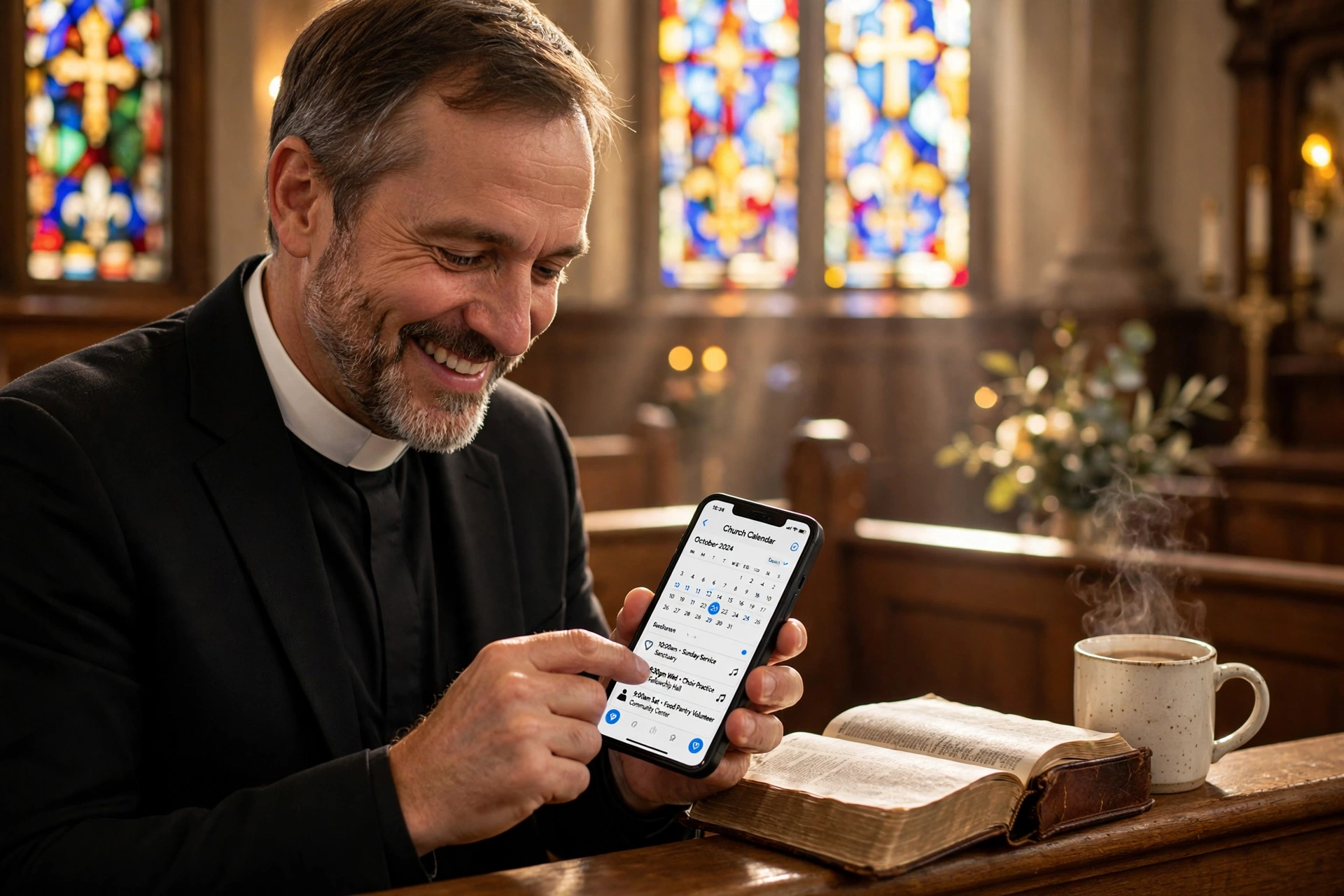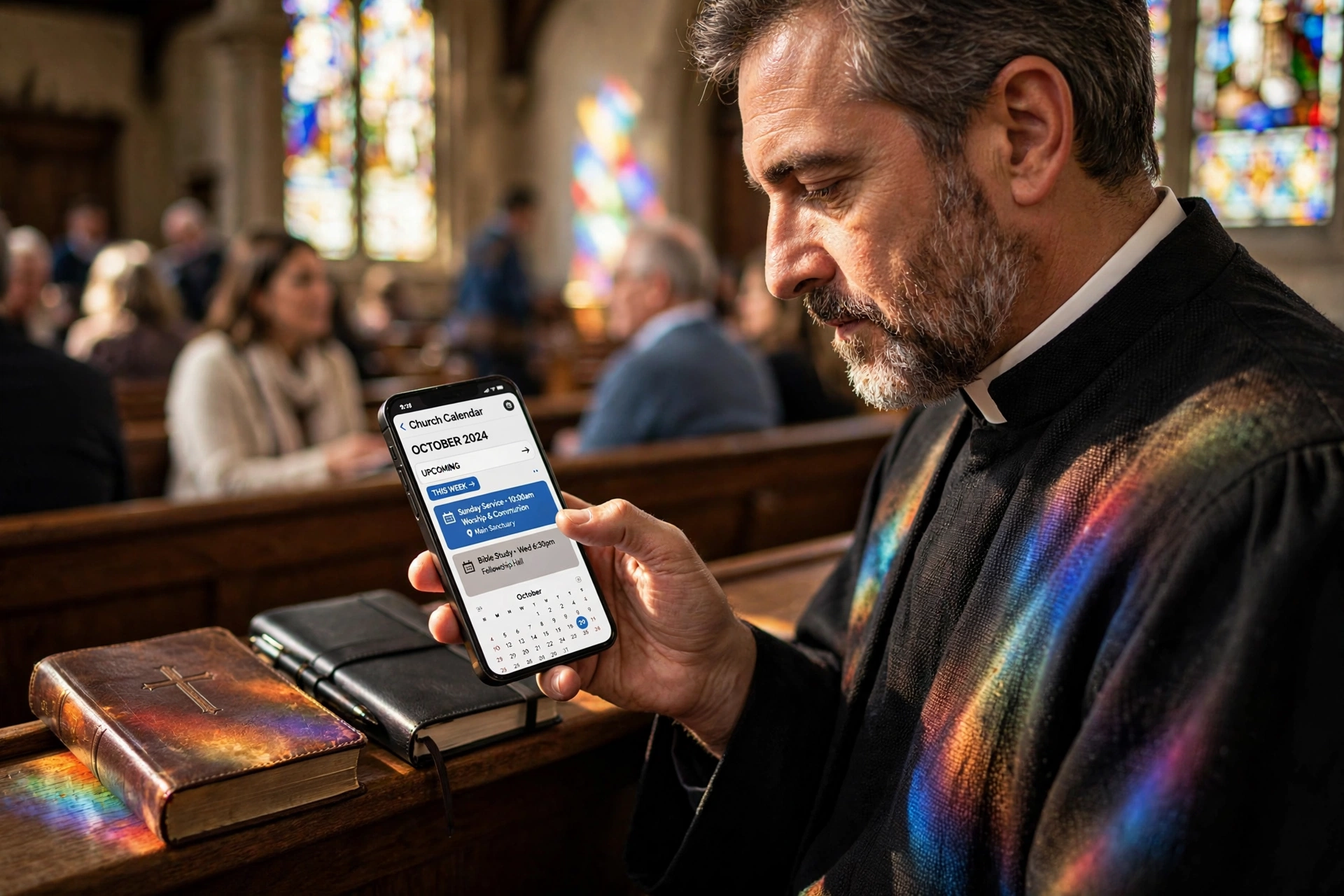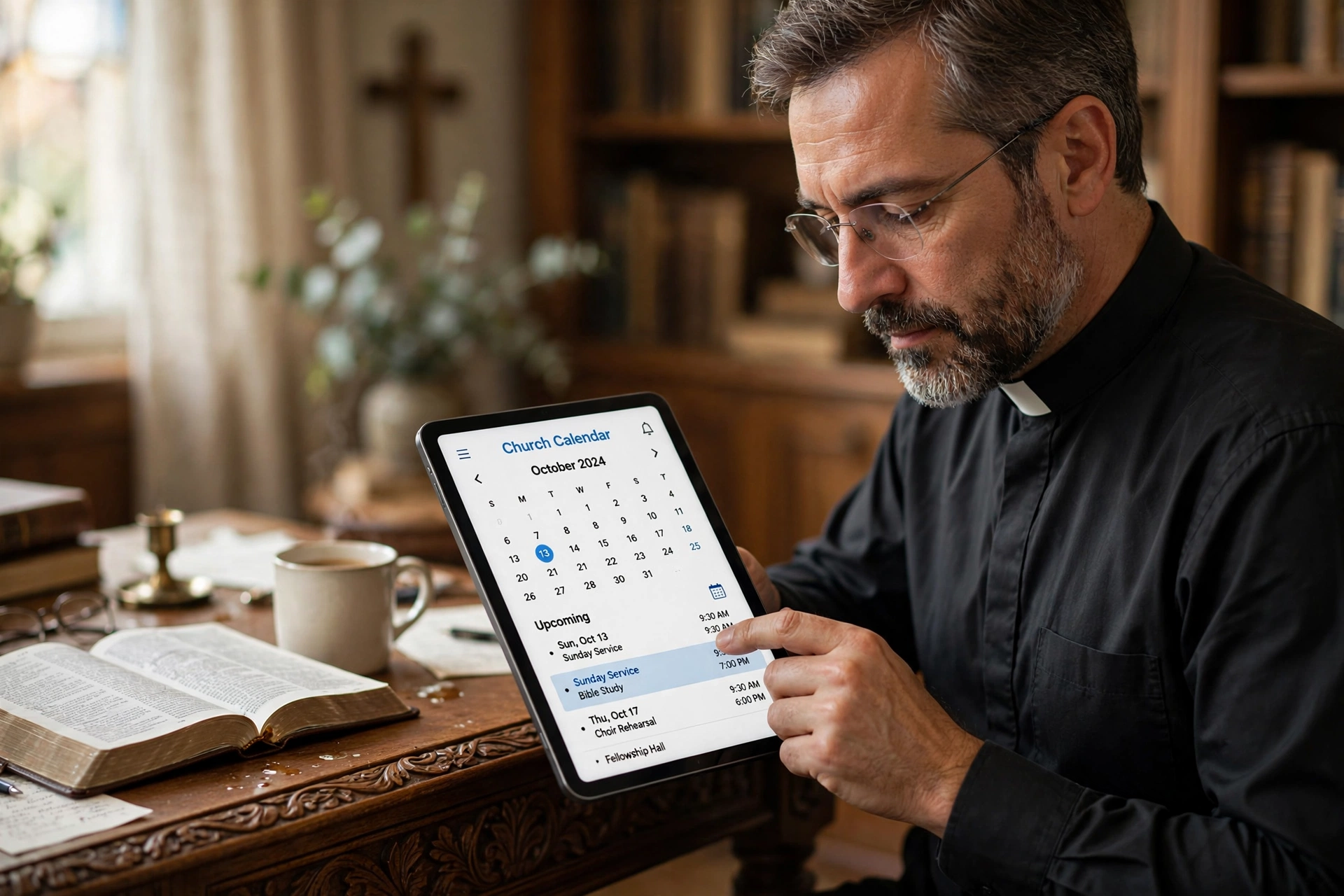
Which Online Booking Solution is Right for Your Ministry?
Managing a church calendar often feels like a tug-of-war between accessibility and privacy. I have seen countless ministers burn out because their personal phone became a 24/7 reception desk, leading to a complete collapse of work-life boundaries. When searching for the right online booking for pastors, the decision usually boils down to whether you need a generic scheduling tool, a full church management system (ChMS), or a specialized pastoral care platform. For most, the ideal choice is a system that balances professional boundary-setting with a frictionless experience for the congregation, ensuring that pastoral counseling and administrative meetings are organized without sacrificing the minister's mental health.

What Exactly is Online Booking for Pastors?
At its core, this technology moves the "when are you free?" conversation from a tedious back-and-forth email chain to a self-service portal. Instead of a secretary manually checking a paper planner, the pastor sets their available windows, and the congregant selects a time that works for both parties.
📚
Definition
Online booking for pastors is a digital scheduling ecosystem that integrates a minister's real-time availability with a public-facing interface, allowing members to book appointments for counseling, weddings, or administration while enforcing specific time buffers and category limits.
In my experience working with various church leadership teams, the biggest hurdle isn't the technology itself, but the cultural shift. Many pastors feel that "automating" their availability is impersonal. However, the opposite is true. When a member in crisis can see an open slot for tomorrow at 10:00 AM and book it instantly, rather than waiting 48 hours for a callback, the technology actually facilitates more immediate and effective pastoral care.
According to research by the Barna Group, pastoral burnout is at an all-time high, often driven by the "always-on" expectation of modern ministry. Implementing a structured booking system is not about creating a wall; it is about building a gate that allows the pastor to be fully present during the appointment because they aren't worrying about the five other scheduling conflicts happening in the background.
Now, here's where it gets interesting: not all booking tools are created equal. A tool designed for a hair salon focuses on "turnover" and "upselling," whereas a tool for ministry must focus on "confidentiality," "buffer times" (to allow for prayer or emotional decompression between sessions), and "appointment types" (distinguishing between a 15-minute check-in and a 90-minute deep counseling session).
Why Does Digital Scheduling Matter for Church Growth?
The administrative friction within a church often acts as a hidden ceiling on growth. When the process of requesting a meeting with the pastor is cumbersome, members, especially new ones, are less likely to seek the guidance they need. This isn't just about convenience; it's about institutional accessibility.
When we analyze the data on organizational efficiency, the impact is clear. A study by McKinsey on digital transformation suggests that automating routine administrative tasks can reclaim up to 20% of an employee's time. In a ministry context, that 20% translates to more time for sermon preparation, community outreach, and actual pastoral counseling.
Consider the consequence of sticking to manual methods. A missed voicemail or a forgotten calendar entry isn't just a clerical error in a church; it can be perceived as a lack of care for a soul in need. The psychological weight of "scheduling anxiety" affects both the pastor and the congregant. By removing the friction, you remove the anxiety.
Furthermore, the use of online booking for pastors allows for better data tracking. You can begin to see patterns: are most requests coming in on Tuesday nights? Is there a surge in counseling requests following specific sermon series? This data allows the leadership to allocate resources more effectively, perhaps by bringing in more lay counselors or adjusting office hours to meet the actual needs of the congregation.
💡
Key Takeaway
Digital scheduling transforms the pastor's calendar from a source of stress into a strategic tool for ministry, shifting the focus from "managing a calendar" to "ministering to people."
How to Implement a Booking Framework Step-by-Step
Moving from a manual system to a digital one requires more than just signing up for a service; it requires a strategic framework. If you simply open your calendar to the public, you will find yourself overbooked and overwhelmed within a week.
First, you must define your "Ministry Windows." This means deciding exactly when you are available for specific types of appointments. For example, Monday might be a "Sabbath/Admin" day with zero availability, while Tuesday and Wednesday mornings are dedicated to pastoral counseling.
Second, establish "Buffer Zones." This is a feature I insist on for every client at Pastor Agenda. A pastoral session rarely ends exactly on the hour. You need 15 to 30 minutes of "decompression time" to write notes, pray over the session, or simply breathe before the next person walks in. Without buffers, one session that runs over by ten minutes creates a domino effect of lateness for the rest of the day.
Third, categorize your appointment types. Not every meeting is the same. You should have distinct options:
- Crisis Counseling (Short, high priority)
- Regular Pastoral Care (Standard duration)
- Administrative/Business Meeting (Low priority, specific windows)
- New Member Orientation (Fixed time slots)
Once these parameters are set, you can integrate a tool like Pastor Agenda. The setup involves syncing your primary calendar (Google, Outlook, or iCloud) so that your personal commitments (like family dinner or doctor appointments) are automatically blocked out, preventing double-bookings.

After the technical setup, the final step is the "Communication Phase." You must tell your congregation why you are doing this. Frame it as a way to serve them better: "I want to make sure I can give you my full, undivided attention, and this new system ensures that our time together is protected and organized."
Comparing Your Options: Generic vs. Specialized Tools
When deciding which tool to use, pastors usually find themselves choosing between three distinct paths. Each has a different impact on the ministry's workflow.
The "Traditional Approach" is the paper planner or a simple shared Google Calendar. It's free and familiar, but it relies entirely on a human middleman (the secretary) and is prone to massive errors and boundary violations.
The "Generic AI/Scheduling Approach" involves tools like Calendly or other mass-market apps. These are powerful and fast, but they are built for "sales calls" and "demos." They lack the nuance of ministry, such as the ability to easily categorize spiritual care versus administrative tasks, and they often feel too "corporate" for a church setting.
The "Modern Pastoral Approach," exemplified by Pastor Agenda, is designed specifically for the unique rhythms of ministry. It understands that a pastor's time is not just a "slot" but a sacred resource. It provides the professional structure of a high-end booking tool but is tailored to the context of a congregation.
| Feature | Traditional (Manual) | Generic Tools (SaaS) | Pastor Agenda Approach |
|---|---|---|---|
| Ease of Setup | High (No tech) | Medium | High (Tailored for Pastors) |
| Boundary Control | Low (Manual) | Medium (Standard) | High (Ministry-specific buffers) |
| Member Experience | Slow (Back-and-forth) | Fast (Self-service) | Fast & Pastoral (Guided) |
| Data Insights | None | Basic | Ministry-focused analytics |
| Contextual Fit | Natural | Corporate/Cold | Pastoral/Professional |
Common Misconceptions About Pastoral Automation
Many leaders resist online booking for pastors because of a few persistent myths. Let's correct these with a dose of reality.
Myth 1: "It makes the pastor seem distant or unapproachable."
Most guides get this wrong by claiming that technology is a barrier. In reality, the barrier is the process. A member who is struggling may be intimidated by a formal request process or may feel guilty "bothering" a pastor with a phone call. A booking link is a low-pressure invitation. It says, "I have set aside this time specifically for you."
Myth 2: "I can't use a booking system because my schedule is too unpredictable."
This is actually the strongest argument for using a system. If your schedule is unpredictable, you need a system that allows you to shift blocks of time instantly. With a digital tool, you can block out a "sudden emergency" window across your entire week in three clicks, and the system handles the availability updates automatically.
Myth 3: "My congregation is too old/non-technical for this."
I've tested this with dozens of clients, and the pattern is clear: people will use a tool if it solves a pain point. Even the least tech-savvy members prefer a simple link over a three-day wait for a return phone call. Moreover, the secretary can still use the tool on behalf of the member, keeping the record digital while maintaining the personal touch.
Frequently Asked Questions
How does online booking help with pastoral boundaries?
Online booking establishes a "digital fence" around a pastor's time. By defining specific availability windows, the pastor signals to the congregation when they are available for ministry and when they are dedicated to family, study, or rest. This prevents the common "burnout cycle" where the minister feels they must be available 24/7 to be considered caring. When the system handles the scheduling, the pastor is no longer the "gatekeeper" of their own time, which reduces the guilt associated with saying "no" to a request that falls outside of a healthy window.
Is it secure enough for confidential pastoral counseling?
Security depends on the platform, but professional tools like Pastor Agenda prioritize data privacy. Unlike a public group chat or an open email thread, a dedicated booking system allows you to manage appointments without exposing the identities of other congregants. To maintain maximum confidentiality, we recommend using the booking system for the scheduling phase, while moving the actual content of the counseling to secure, encrypted channels or face-to-face meetings. Always ensure your tool is compliant with general data protection standards to protect the sanctity of the pastoral relationship.
Can I still handle emergency visits through a booking system?
Absolutely. An online booking system is designed for "scheduled care," not "crisis intervention." In my experience, the best setup involves a dual-track system: a booking link for counseling, orientations, and meetings, and a separate, clearly communicated "Emergency Contact" protocol (such as a specific phone number or a deacon's contact) for immediate crises. The booking system actually frees up the pastor's mental space and time, making them more available and focused when a genuine emergency does arise.
Does this replace the need for a church secretary?
No, it evolves the role of the secretary. Instead of spending four hours a day on the phone coordinating calendars, the secretary becomes a "Ministry Coordinator." They can oversee the booking dashboard, identify members who are seeking help frequently, and coordinate the logistics of the meetings. This shifts the secretary's value from "administrative clerk" to "pastoral support," allowing them to focus on the people rather than the calendar.
How do I prevent people from booking too many slots?
Most professional scheduling tools allow you to set "limitations" or "caps." For example, you can limit the number of counseling sessions per day to three, or prevent a single user from booking more than one slot per week. This ensures that your calendar remains balanced and that no single individual monopolizes your time, which is essential for fair and healthy ministry distribution across the entire congregation.
Final Thoughts on Online Booking for Pastors
Choosing the right online booking for pastors is not about picking the "fastest" software; it is about selecting a tool that reflects the values of your ministry. Whether you are a small plant or a multi-site mega-church, the goal remains the same: to remove the administrative friction that stands between a soul in need and the spiritual guidance they require.
If you continue to rely on manual scheduling, you aren't just risking a double-booked Tuesday; you are risking the long-term health of your leadership. By implementing a structured, professional system, you protect your peace, honor your family, and ultimately serve your congregation with greater focus and energy.
To move away from the chaos of manual scheduling and reclaim your time for what truly matters, explore the specialized tools at PastorAgenda Blog. It's time to stop managing a calendar and start leading your people.
Recommended Readings
To deepen your understanding of these topics, we recommend reading the following articles:
- Ensuring Absolute Privacy in Church Booking Systems
- Church Appointment Booking
- Online Appointment Booking for Modern Churches
- Automated Reminders and Communication for Congregations
Free Guide: The 7 Church Growth Hacks for 2026
Learn how modern ministries are using automated scheduling and AI pastoral assistants to save 12+ hours of admin work every week.