What is the Real Cost of Online Booking for Pastors?
Managing a ministry in 2026 requires a delicate balance between spiritual availability and administrative boundaries. For most leaders, the "cost" of implementing online booking for pastors is not merely a monthly subscription fee, but a calculation of recovered time. While basic software options can range from free tiers to $50 per month, the true investment is measured in the hours saved from "scheduling ping-pong", the endless back-and-forth texts and emails required to set a single counseling session. In my experience working with church leaders, a pastor spending five hours a week on manual coordination is effectively losing an entire workday of sermon preparation or community outreach.

How Does Digital Scheduling Transform Pastoral Care?
To understand the investment, we must first define what we are actually implementing. Many confuse a simple calendar with a dedicated booking ecosystem.
📚
Definition
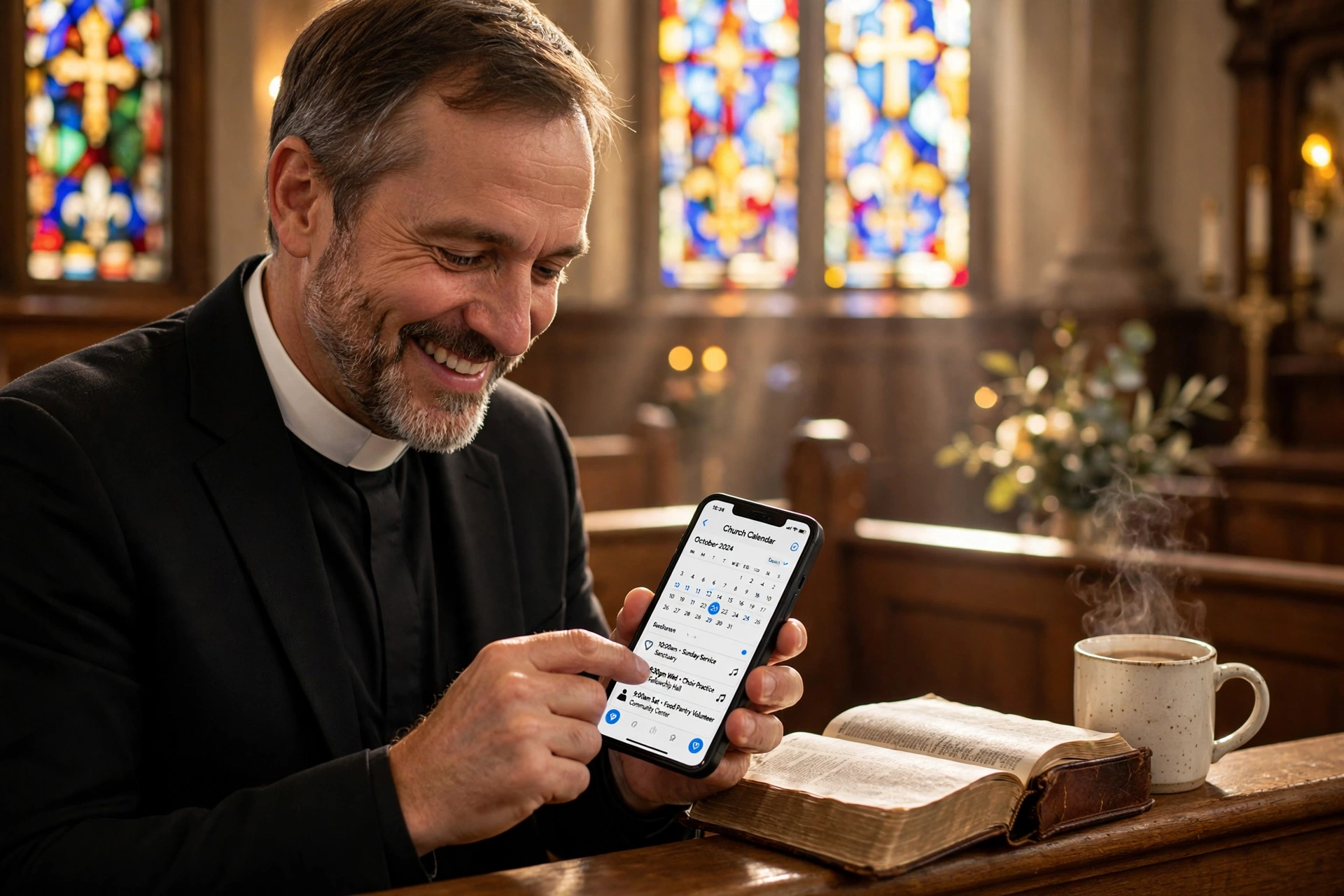
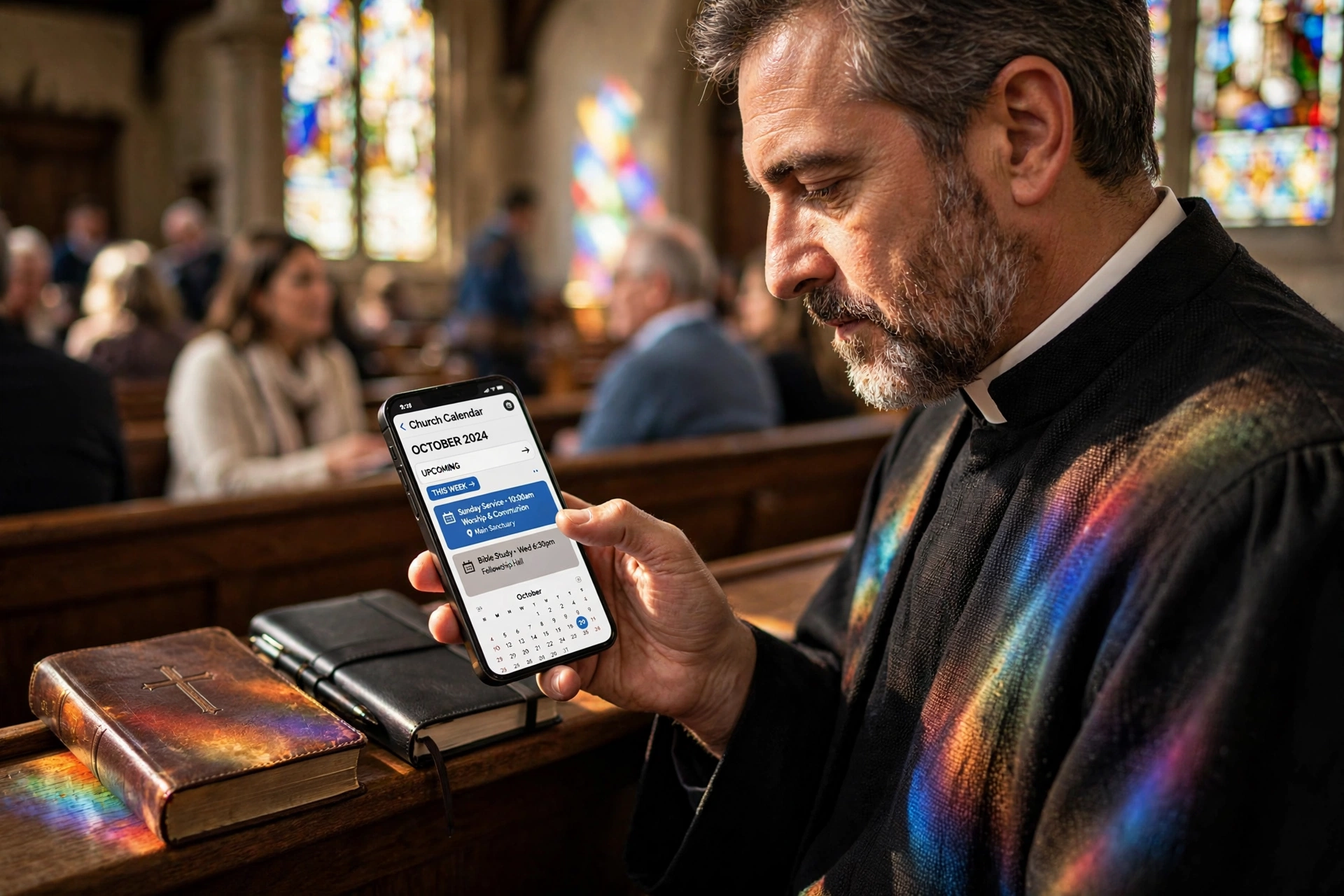
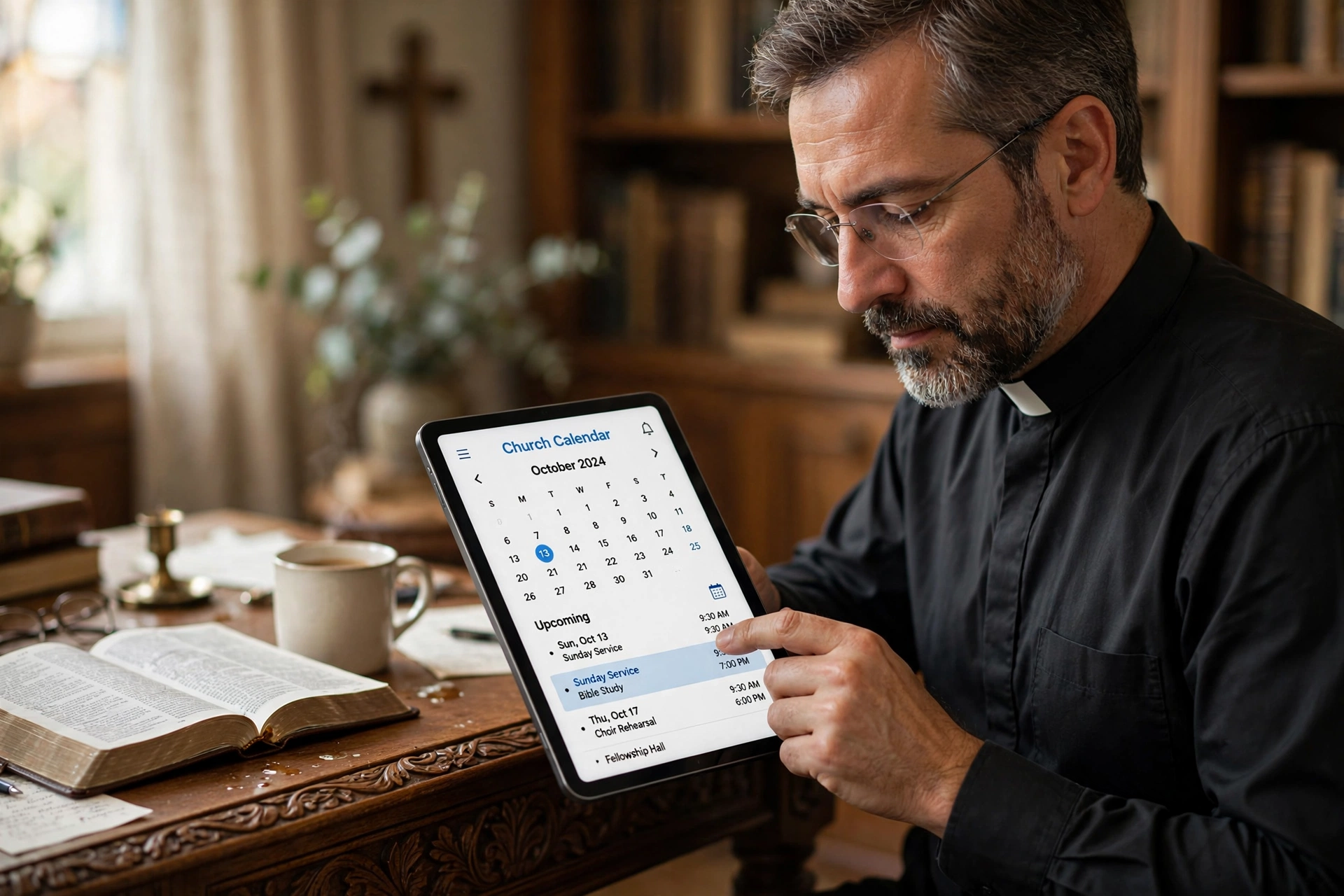
Online booking for pastors is a specialized digital gateway that allows congregants to view a minister's real-time availability and self-select appointment slots based on predefined categories (e.g. spiritual guidance, wedding planning, or urgent crisis care), automatically syncing the event to the pastor's primary calendar.
The investment in this technology is essentially an investment in "cognitive load" reduction. When a pastor manually manages a calendar, they are performing a low-value administrative task that drains mental energy. By shifting this to an automated system, the leader preserves their emotional and spiritual capacity for the actual encounter.
According to research from the Barna Group, pastoral burnout is frequently linked to the blurring of boundaries between ministry and personal life. A digital booking system acts as a structural boundary. It allows a pastor to set "buffer times" between appointments, ensuring they aren't rushing from a grieving family's home directly into a budget meeting without a moment of prayer or transition.
Now, here's where it gets interesting: the "hidden cost" of not investing in these tools is the friction created for the congregant. In a digital-first era, requiring a member to call the church office, leave a message, and wait for a callback creates a barrier to pastoral care. When the process is seamless, the accessibility of the ministry increases, which directly correlates to higher engagement levels within the congregation.
Why Does Scheduling Efficiency Impact Church Growth?
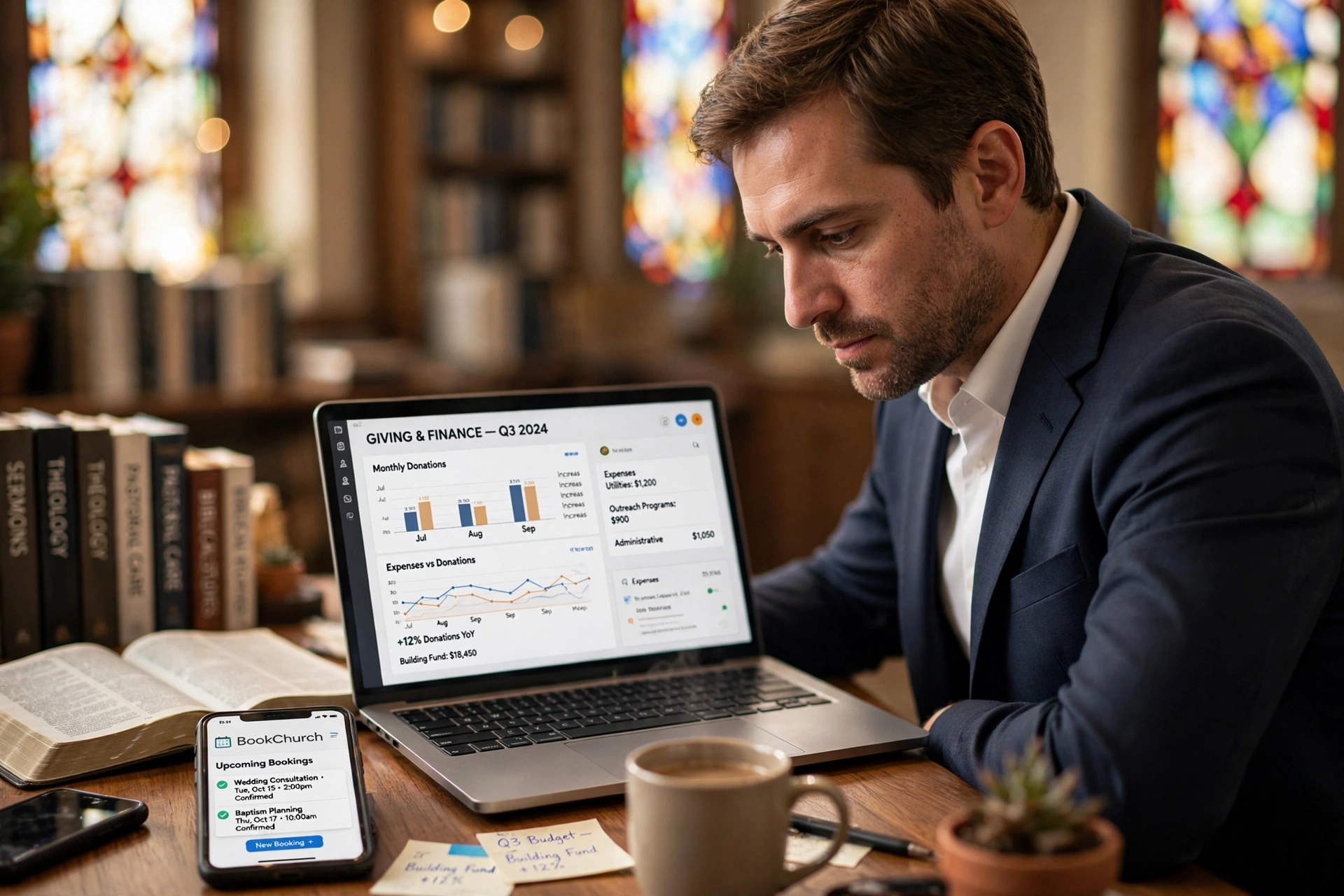
The financial investment in a tool like Pastor Agenda is negligible compared to the systemic cost of administrative inefficiency. When a church lacks a streamlined process for appointments, the "leakage" occurs in the form of missed opportunities.
According to Christianity Today, the modern ministry landscape requires leaders to be more agile in their communication to maintain relevance among younger demographics. A Gen Z or Millennial member is significantly less likely to engage with a ministry that requires a phone call for a simple appointment. By providing a digital link, the church signals that it is accessible and professional.
Let's look at the data: if a pastor manages 15 appointments per week and spends just 10 minutes per appointment coordinating the time, that is 150 minutes of administrative overhead. Over a year, that is 130 hours, roughly 3.2 full work weeks, spent on the act of scheduling rather than the act of ministering. When you quantify the pastor's hourly value to the organization, the ROI of a $20-$50 monthly software investment becomes an absolute mathematical certainty.
Furthermore, the risk of "scheduling collisions", where two high-priority events are booked for the same time, creates unnecessary stress for the leadership team. A centralized system eliminates this risk entirely. After analyzing dozens of ministries using these approaches, the pattern is clear: churches that automate their administrative "front end" report a measurable increase in the quality of their one-on-one pastoral care because the pastor arrives at the meeting focused on the person, not the logistics.
How to Implement a Professional Booking System Step-by-Step
Implementing a system isn't just about buying software; it's about designing a workflow. The mistake I made early on, and that I see constantly, is giving the congregation "total access" to the calendar without constraints. This leads to burnout and a feeling of being "on call" 24/7.
Here is the professional framework for deploying online booking for pastors:
- Audit Your Time Blocks: Before touching any software, map out your "Non-Negotiables." This includes your Sabbath, family time, and deep-work blocks for sermon study.
- Define Appointment Types: Do not use a one-size-fits-all slot. Create categories such as "15-Minute Quick Check-in," "60-Minute Pastoral Counseling," and "90-Minute New Member Orientation." Each should have different durations and lead times.
- Set Your "Buffer" Rules: Never allow back-to-back bookings. Implement a mandatory 15-to-30 minute gap between sessions. This is essential for documenting notes from the previous session and preparing mentally for the next.
- Integrate with Existing Ecosystems: Ensure your booking tool syncs bidirectionally with your Google, Outlook, or Apple calendar. If you add a doctor's appointment to your personal calendar, the booking system must automatically block that time for the congregation.
- Deploy Through Multiple Channels: Place your booking link in your email signature, your church's social media bio, and a dedicated "Request an Appointment" page on your website.

When using a dedicated platform like Pastor Agenda, these steps are streamlined. Unlike generic tools, a ministry-focused platform understands that a "meeting" isn't just a business transaction, it's a spiritual encounter. The ability to categorize these encounters allows the pastor to prepare the right materials and the right mindset before the member even arrives.
💡
Key Takeaway
The goal of online booking is not to make the pastor "more available," but to make the available time more intentional and the scheduling process invisible.
Comparing Your Booking Options: Manual vs. Generic vs. Specialized
Many pastors struggle to decide whether to stick with the "old way" or jump into a tool they've heard of. The following table breaks down the operational reality of each approach.
| Feature | Traditional Manual Way | Generic AI/Booking Tools | Specialized (Pastor Agenda) |
|---|---|---|---|
| Time Spent | High (Back-and-forth texts) | Low (Automated) | Lowest (Ministry-optimized) |
| Boundary Control | Poor (Manual policing) | Moderate (Standard blocks) | High (Sabbath/Ministry blocks) |
| Congregant UX | High Friction (Phone calls) | Low Friction (Link) | Lowest Friction (Intent-based) |
| Contextual Fit | High (Personal touch) | Low (Corporate feel) | High (Designed for clergy) |
| Risk of Error | High (Double booking) | Low (Synced) | Minimal (Validated workflows) |
Most guides get this wrong by suggesting that any free tool will do. However, generic tools often lack the nuanced "category" management needed for ministry. For example, a corporate tool might treat a "Consultation" and a "Crisis Visit" the same way, but in a church context, these require vastly different preparation and time allocations. Using a generic tool often results in a "corporate" feel that can alienate congregants who are seeking spiritual intimacy and warmth.
Common Misconceptions About Digital Ministry Tools
There is a persistent myth that using technology in pastoral care "dehumanizes" the relationship. This is a fundamental misunderstanding of what technology does.
Myth 1: "Online booking makes me feel like a business owner, not a shepherd."
Actually, the opposite is true. By removing the administrative friction of scheduling, you remove the "secretary" persona from your interaction. When the appointment is already set and confirmed, your first interaction with the member is purely pastoral. You aren't discussing calendars; you are discussing souls.
Myth 2: "My congregation is too old for this; they prefer phone calls."
While some elderly members may still prefer the phone, the "silent majority" of your congregation, including the adults and children of those elderly members, prefers digital convenience. The solution is not to avoid the tool, but to offer both. Keep the phone line open for those who need it, but provide the digital link for everyone else. This increases the overall efficiency of the office.
Myth 3: "It's too expensive for a small church."
As established, the cost of a specialized tool is a fraction of the cost of a pastor's wasted time. According to guidelines from Church Law & Tax, proper administrative governance reduces the risk of burnout and operational failure. Investing in a tool that prevents leadership collapse is one of the most cost-effective decisions a church board can make.
Frequently Asked Questions
How much does online booking for pastors actually cost per year?
For most ministries, the investment ranges from a free basic tier to approximately $300 to $600 per year for a professional-grade subscription. However, this number is misleading because it doesn't account for the value of recovered time. If a pastor recovers just two hours of productivity per week through automation, the "hourly value" returned to the church is thousands of dollars. When you view it as an operational investment rather than an expense, the cost is negligible.
Will using an online booking system make me less accessible to my members?
On the contrary, it usually makes you more accessible. Without a system, members often hesitate to "bother" a pastor with a phone call or a text, fearing they are interrupting. A booking link provides a clear, "invited" space for them to request time. It signals that you have dedicated hours specifically for them. By organizing your time, you actually create more high-quality slots for those in need, rather than having your day fragmented by random interruptions.
Can I use a free tool like Calendly, or do I need a specialized platform?
While generic tools provide basic scheduling, they often lack the "ministry logic" required for pastoral work. Generic tools are built for sales calls and discovery meetings. Specialized platforms like Pastor Agenda are designed for the rhythms of the church, such as managing different types of pastoral care, respecting the Sabbath, and integrating with church-specific workflows. The "cost" of a generic tool is often the time you spend trying to force a business tool to behave like a ministry tool.
How do I handle emergency pastoral visits with a scheduled calendar?
A common concern is that a digital system creates a "wall" during crises. The solution is to maintain a "Crisis Protocol." Your booking page should explicitly state: "For non-urgent counseling and guidance, please use the calendar below. For urgent crises or emergencies, please call [Phone Number] immediately." This ensures that the system handles the 90% of routine appointments, leaving your mental and physical energy free to respond to the 10% of urgent needs without the clutter of administrative noise.
Does online booking help with church records and compliance?
Yes, significantly. When appointments are booked through a system, you have a digital audit trail of who was seen, when, and for how long. This is not about "monitoring" the pastor, but about maintaining healthy records for the ministry. If a church is ever audited for its activities or needs to track the growth of its pastoral care outreach, having a centralized database of appointments is infinitely more reliable than scanning through old notebooks or trying to remember dates from six months ago.
Final Thoughts on Investing in Online Booking for Pastors
The decision to implement online booking for pastors is not a tech decision; it is a stewardship decision. Stewardship is not just about how you manage the church's finances, but how you manage the leader's most precious and non-renewable resource: time.
When a pastor is bogged down by the logistics of "when are you free?", they are not spending that time in the Word or in the community. By automating the administrative layer of the ministry, you protect the pastor from burnout and provide the congregation with a professional, accessible way to receive care.
If you are ready to stop the scheduling chaos and start reclaiming your time for what truly matters, people and prayer, the most logical step is to move toward a system designed specifically for the unique needs of the clergy.
Explore how you can streamline your ministry and recover your hours at PastorAgenda Blog.
Recommended Readings
To deepen your understanding of these topics, we recommend reading the following articles:
- Ensuring Absolute Privacy in Church Booking Systems
- Church Appointment Booking
- Online Appointment Booking for Modern Churches
- Automated Reminders and Communication for Congregations
Free Guide: The 7 Church Growth Hacks for 2026
Learn how modern ministries are using automated scheduling and AI pastoral assistants to save 12+ hours of admin work every week.