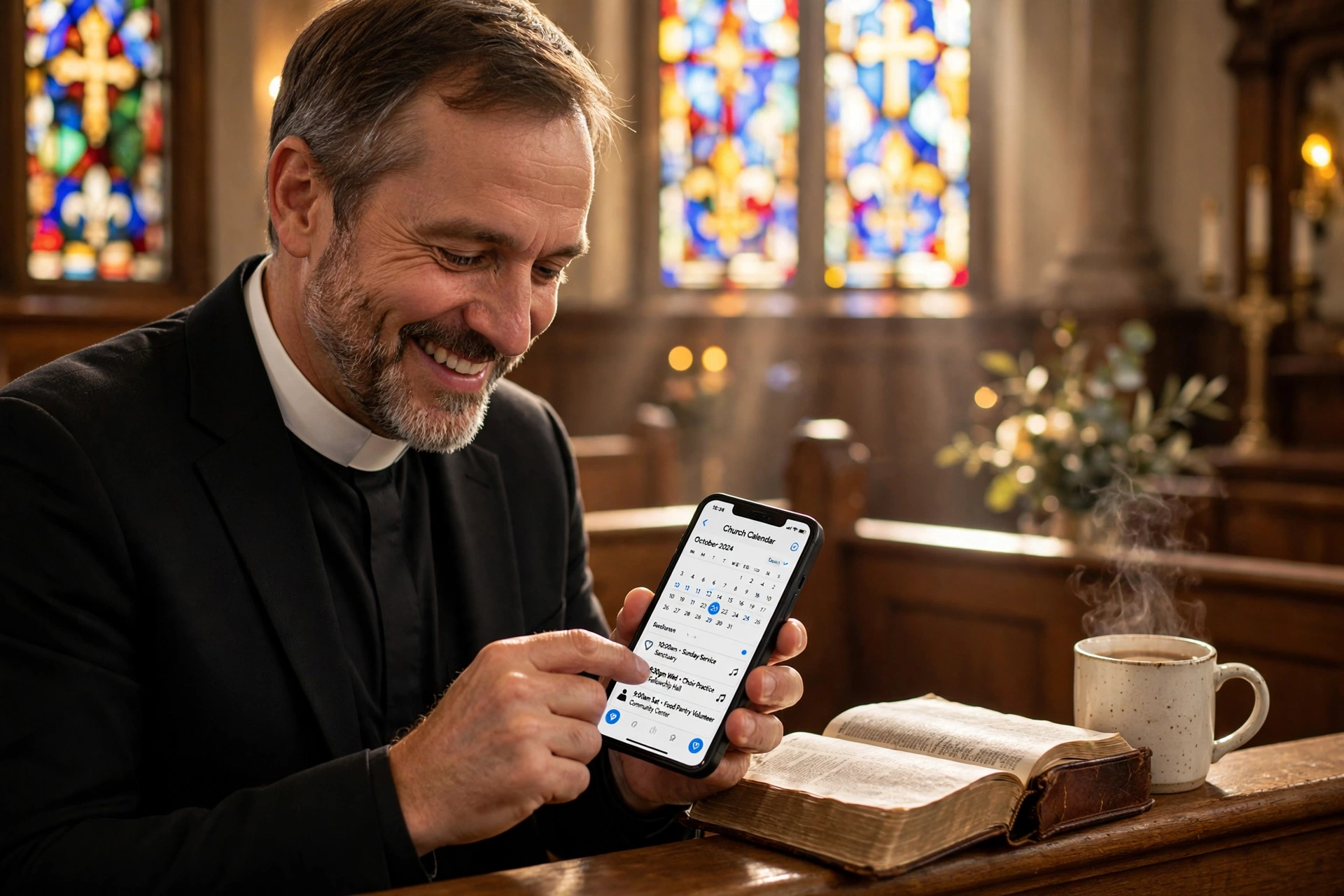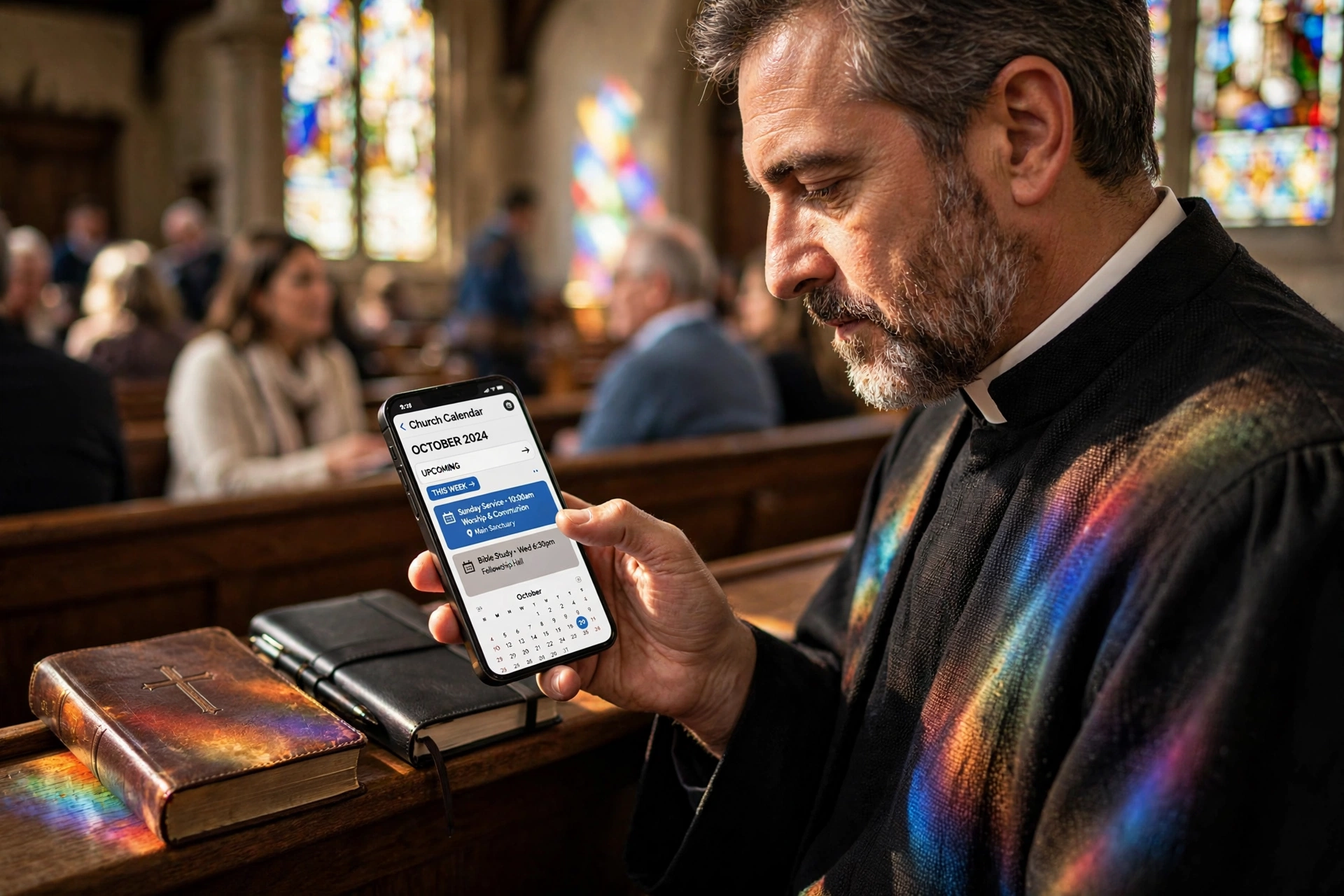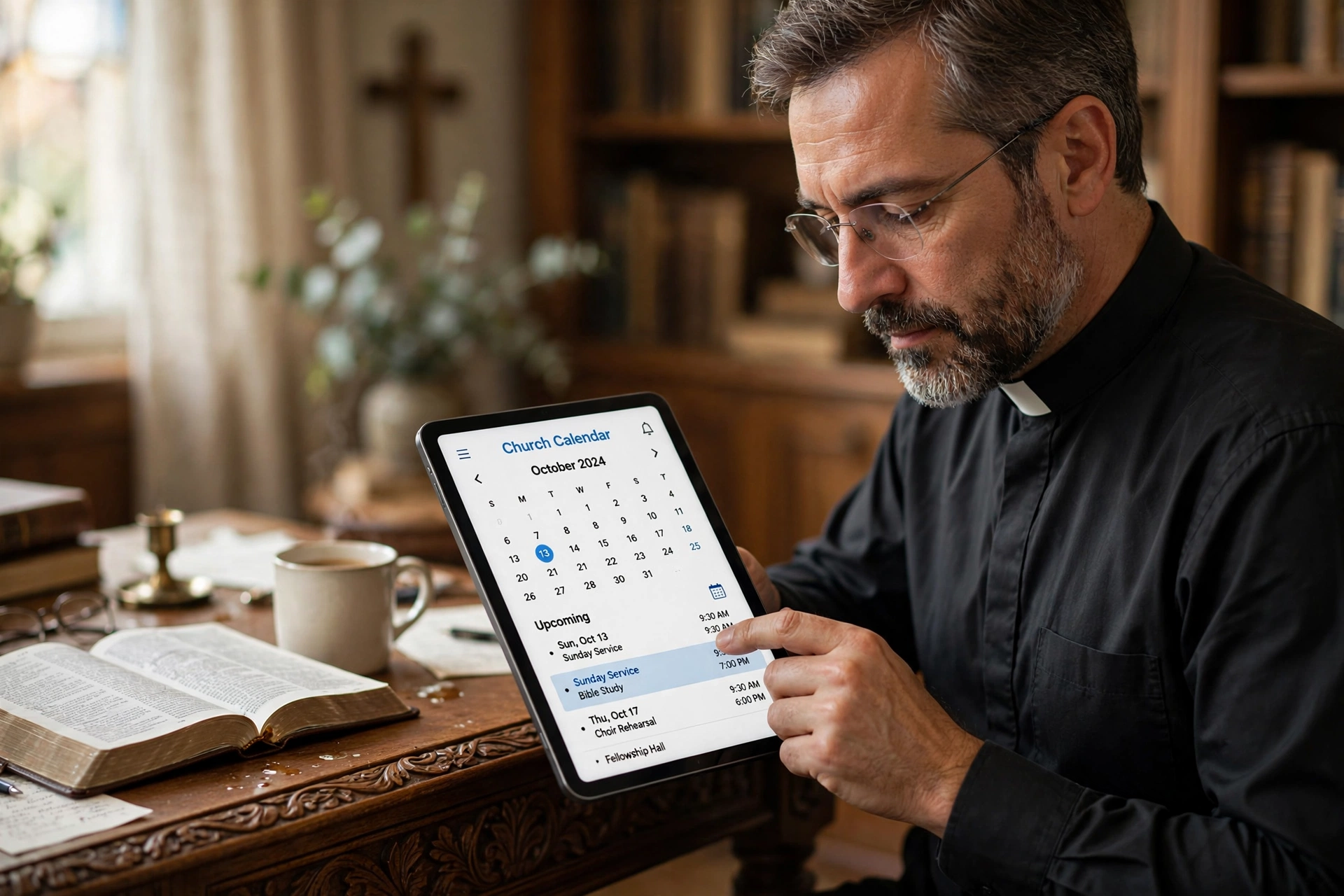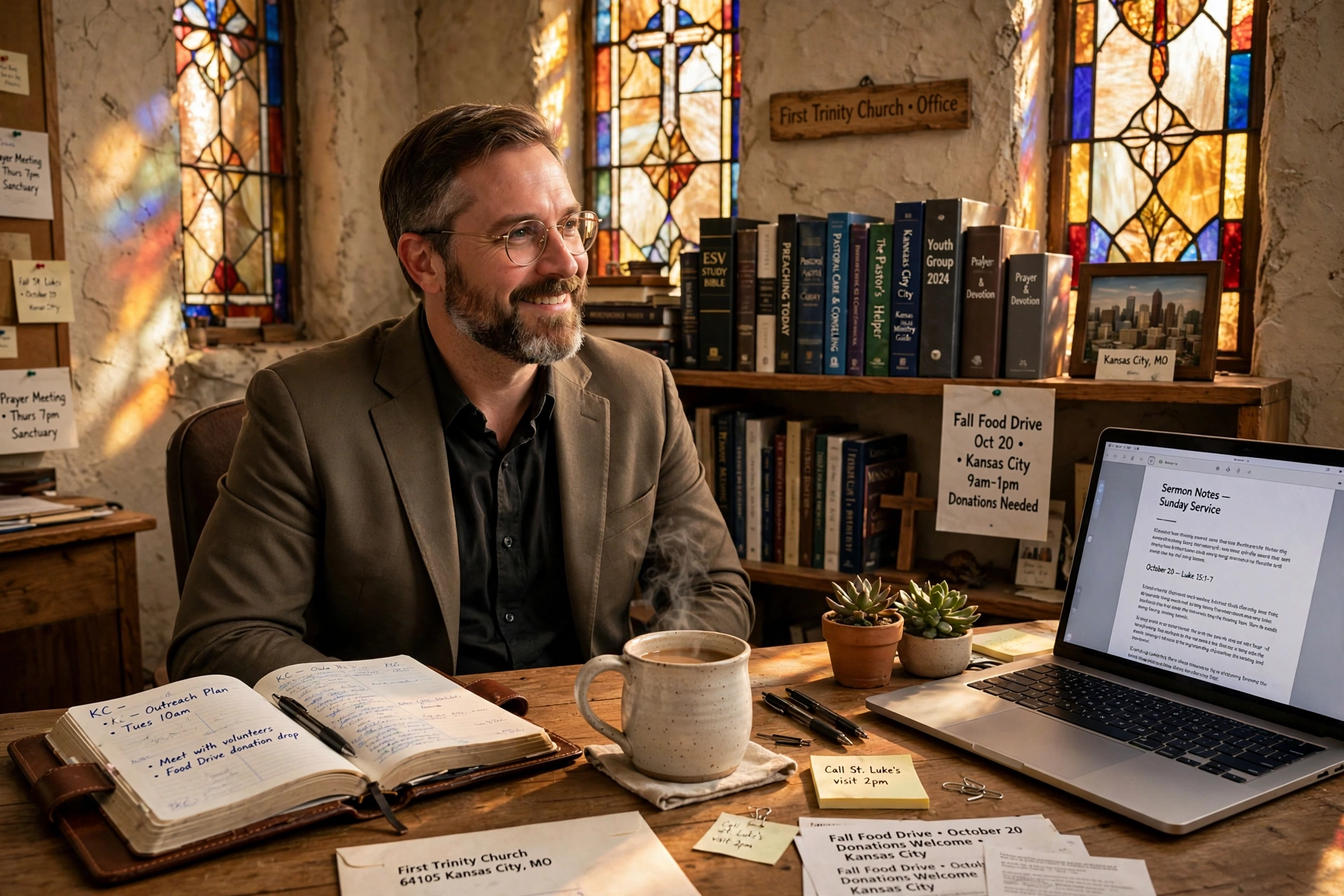
Many pastors in the Midwest struggle with the logistical nightmare of coordinating home visits and counseling sessions across the sprawling metro area. For those seeking efficient church member visit booking in Kansas City, the solution lies in transitioning from manual calendars to automated scheduling software that integrates directly with pastoral workflows. This shift allows ministers to spend less time on the phone and more time in the community, ensuring no member of the congregation falls through the cracks due to administrative friction.

Why are Kansas City ministries adopting digital booking systems?
In my experience working with religious leaders across Missouri, the shift toward digital scheduling isn't about replacing the personal touch; it is about protecting it. Kansas City's unique geography, spanning across two states and featuring diverse neighborhoods from Overland Park to the Northland, makes manual routing and scheduling a significant drain on a pastor's emotional and physical energy. When a minister spends four hours a week playing "phone tag" to confirm a visit, those are four hours stolen from prayer and study.
Research indicates that the demand for accessible spiritual care is increasing. According to Barna Group, there is a growing trend where congregants expect the same level of digital convenience in their spiritual lives as they do in their professional lives. In 2026, this manifests as a need for seamless, transparent booking for pastoral care. If a member in Kansas City has to wait three days for a callback just to schedule a 30-minute visit, the perceived accessibility of the church drops significantly.
Furthermore, the administrative burden on the clergy is reaching a breaking point. As noted by Christianity Today, pastoral burnout is often linked to "administrative creep," where the clerical duties of running a church overshadow the calling of ministry. By implementing a dedicated system for church member visit booking in Kansas City, leaders can automate the tedious parts of their day, such as sending reminders and managing time zones or travel buffers between visits in different zip codes.
What are the key benefits of automated visit booking for Kansas City churches?
Moving to a digital-first approach for pastoral visits provides immediate relief to both the church staff and the congregation. The primary advantage is the elimination of scheduling conflicts and the reduction of "no-shows," which are common when visits are agreed upon loosely via text or email.
Increased Accessibility for the Congregation
When members can see a pastor's availability in real-time, the barrier to seeking help is lowered. A member struggling with a crisis in the middle of the night can book a visit for the next morning without waiting for the church office to open at 9:00 AM. This immediate action provides a psychological sense of relief and support.
Optimized Route Planning and Time Management
For pastors covering the Kansas City metro, travel time is a major factor. Automated systems allow for "time blocking," where a pastor can designate specific days for visits in the Wyandotte county area and other days for Johnson County. This prevents the inefficiency of driving from one end of the city to the other and back again in a single afternoon.
Better Data Tracking and Pastoral Care Oversight
Digital booking creates a paper trail of care. Instead of relying on a handwritten notebook, a pastor can quickly see who has been visited recently and who hasn't been seen in months. This ensures a more equitable distribution of pastoral care across the entire congregation.
💡
Key Takeaway
Automated booking doesn't replace the shepherd's heart; it removes the administrative thorns that prevent the shepherd from reaching the sheep.
| Feature | Traditional Manual Booking | Generic Calendar Apps | Pastor Agenda Approach |
|---|---|---|---|
| Scheduling Speed | Hours of phone calls | Fast, but generic | Instant, ministry-focused |
| Member Experience | High friction, waiting | Impersonal | Welcoming and accessible |
| Routing Efficiency | Random / Chaotic | None | Planned by region/cluster |
| Care Tracking | Manual lists (prone to loss) | Basic logs | Comprehensive pastoral history |
Real-world examples of visit booking impact in Kansas City
To understand the impact, we look at two distinct scenarios based on patterns I've seen consistently while helping churches implement these tools.
Scenario A: The Mid-Sized Community Church in Lee's Summit
Before adopting a structured system, a local church in Lee's Summit relied on a shared Google Calendar and a secretary. They averaged 15 visits per week, but 20% of these were rescheduled due to communication gaps. After implementing a specialized booking flow, they saw a 30% increase in total visits conducted because the "friction to book" was removed. The pastor reported a significant decrease in stress, as his weekly itinerary was finalized by Sunday evening, allowing him to focus entirely on the spiritual needs of the members.
Scenario B: The Multi-Campus Ministry in the Northland
This ministry struggled with three different pastors trying to coordinate visits across several campuses. They suffered from "double-booking" and overlapping appointments. By moving to a centralized booking system, they reduced scheduling errors to near zero. More importantly, they discovered that 12% of their membership had not received a pastoral visit in over a year, a gap that was invisible in their manual system but became glaringly obvious once the data was digitized. They were able to launch a "Reconnect Campaign" that brought dozens of drifting members back into active fellowship.

How do you get started with church member visit booking in Kansas City?
Transitioning to a digital system requires a blend of technical setup and cultural communication. You cannot simply launch a link and expect everyone to use it; you must frame it as a tool for better care.
📚
Definition
Pastoral Care Automation is the use of technology to handle the logistical aspects of ministry, such as scheduling and reminders, to maximize the time spent in direct human interaction.
First, audit your current availability. Decide which hours are "sacred" (study, family, Sabbath) and which are "available" for visits. In the Kansas City context, I recommend creating "regional blocks." For example, Tuesday mornings could be dedicated to visits in the Downtown area, while Thursday afternoons are for the suburbs.
Second, choose a tool specifically designed for the clergy. While generic tools exist, Pastor Agenda is built with the unique needs of the ministry in mind. Unlike corporate software, Pastor Agenda understands that a pastoral visit isn't just a "meeting"; it is a spiritual encounter that requires specific buffers for travel and emotional decompression.
Third, communicate the change to the congregation. Use the Sunday service to explain that the church is investing in new tools to ensure that every member can get the care they need. Provide a QR code in the bulletin or a link in the weekly email that leads directly to the booking page.
Finally, monitor the data. Check your dashboard weekly to see who is booking and, more importantly, who is not. If you notice a specific demographic in your Kansas City congregation isn't using the tool, it may be time for a targeted phone call to assist them with the technology.
What are the common objections to digital booking in the church?
Many leaders resist this change, fearing it will make the church feel like a business. However, this is a misconception based on a narrow view of technology.
Objection 1: "It's too impersonal for a church."
Most people assume that a booking link is cold. In practice, the opposite is true. When a member is in a crisis, they don't want to leave a voicemail and wait for a callback; they want to know exactly when the pastor can be with them. Providing a clear, instant option for booking is an act of service, not a corporate transaction.
Objection 2: "Our members aren't tech-savvy."
While some older members may struggle, the data shows that the younger generation (Gen Z and Millennials) will almost entirely avoid a service that requires a phone call to schedule. If you want to grow your ministry in Kansas City's growing professional sectors, you must meet people where they are. For the non-tech-savvy, the church secretary can still book the appointment on their behalf using the same system.
Objection 3: "I don't want my schedule to be public."
This is a valid concern. However, professional tools like Pastor Agenda do not show your full calendar. They only show "available slots." The member sees "Tuesday at 2 PM," not "Tuesday at 1 PM: Doctor's appointment; Tuesday at 12 PM: Staff meeting." You maintain total control over your privacy while providing a window of accessibility.
Frequently Asked Questions
How does digital booking improve pastoral care in Kansas City?
Digital booking removes the administrative friction that often prevents members from seeking help. By providing a transparent, easy-to-use interface, churches can increase the frequency of visits and ensure that no member is overlooked. It allows the pastor to move from a reactive state (responding to crises as they happen) to a proactive state (scheduling regular check-ins). In a city as large as Kansas City, this organization is the only way to maintain a high standard of care for a growing congregation without causing burnout.
Is it possible to integrate regional visit blocks into a booking system?
Yes, and it is highly recommended for Kansas City ministries. By setting specific availability for different days, such as "Monday: Northland," "Wednesday: Overland Park", you can group your visits geographically. This drastically reduces time spent in traffic on I-435 or I-70 and increases the number of people you can visit in a single day. Most professional scheduling tools allow you to create these specific blocks or even provide custom links for different regions of your city.
Will using a booking system replace the need for a church secretary?
No, it evolves the role of the secretary. Instead of spending hours on the phone coordinating dates and times, the secretary can focus on higher-value tasks like member outreach, event planning, and coordinating the logistics of the visit (such as arranging transportation or childcare). The system handles the "when," allowing the staff to focus on the "who" and the "why" of the visit, which is far more important for the health of the church.
How do I ensure privacy and confidentiality with online scheduling?
Professional ministry tools are designed with privacy in mind. Unlike public calendars, booking systems only expose specific time slots without revealing the nature of other appointments. Furthermore, you can set requirements for the booking process, asking the member to provide only the necessary information (name and contact) before the visit is confirmed. This ensures that the pastoral process remains confidential and secure from the start.
What is the best way to introduce this technology to an older congregation?
The best approach is a "hybrid model." Launch the digital booking system for the general congregation, but let the church office know that they can still take appointments over the phone. The secretary then enters these manual requests into the digital system. Over time, as older members see the ease with which others are scheduling and the improved punctuality of the pastor, they often become curious and adopt the technology themselves through guided assistance.
Final thoughts on church member visit booking in Kansas City
Implementing a professional system for church member visit booking in Kansas City is no longer just an "option" for the tech-forward church; it is a necessity for any ministry that intends to scale its care. When you remove the friction of scheduling, you remove the barriers between the pastor and the people. The goal of technology in the church should always be to facilitate a deeper human connection, not to replace it. By automating the logistics, you liberate yourself to focus on the spiritual and emotional needs of your flock.
If you are tired of the scheduling chaos and want to reclaim your time for ministry, it is time to move toward a dedicated solution. Explore how PastorAgenda Blog can transform your pastoral care from a logistical headache into a streamlined, scalable ministry of presence. Visit pastoragenda.com today to start organizing your visits and focusing on what truly matters: your people.
Recommended Readings
To deepen your understanding of these topics, we recommend reading the following articles:
- Ensuring Absolute Privacy in Church Booking Systems
- Church Appointment Booking
- Online Appointment Booking for Modern Churches
- Automated Reminders and Communication for Congregations
Free Guide: The 7 Church Growth Hacks for 2026
Learn how modern ministries are using automated scheduling and AI pastoral assistants to save 12+ hours of admin work every week.