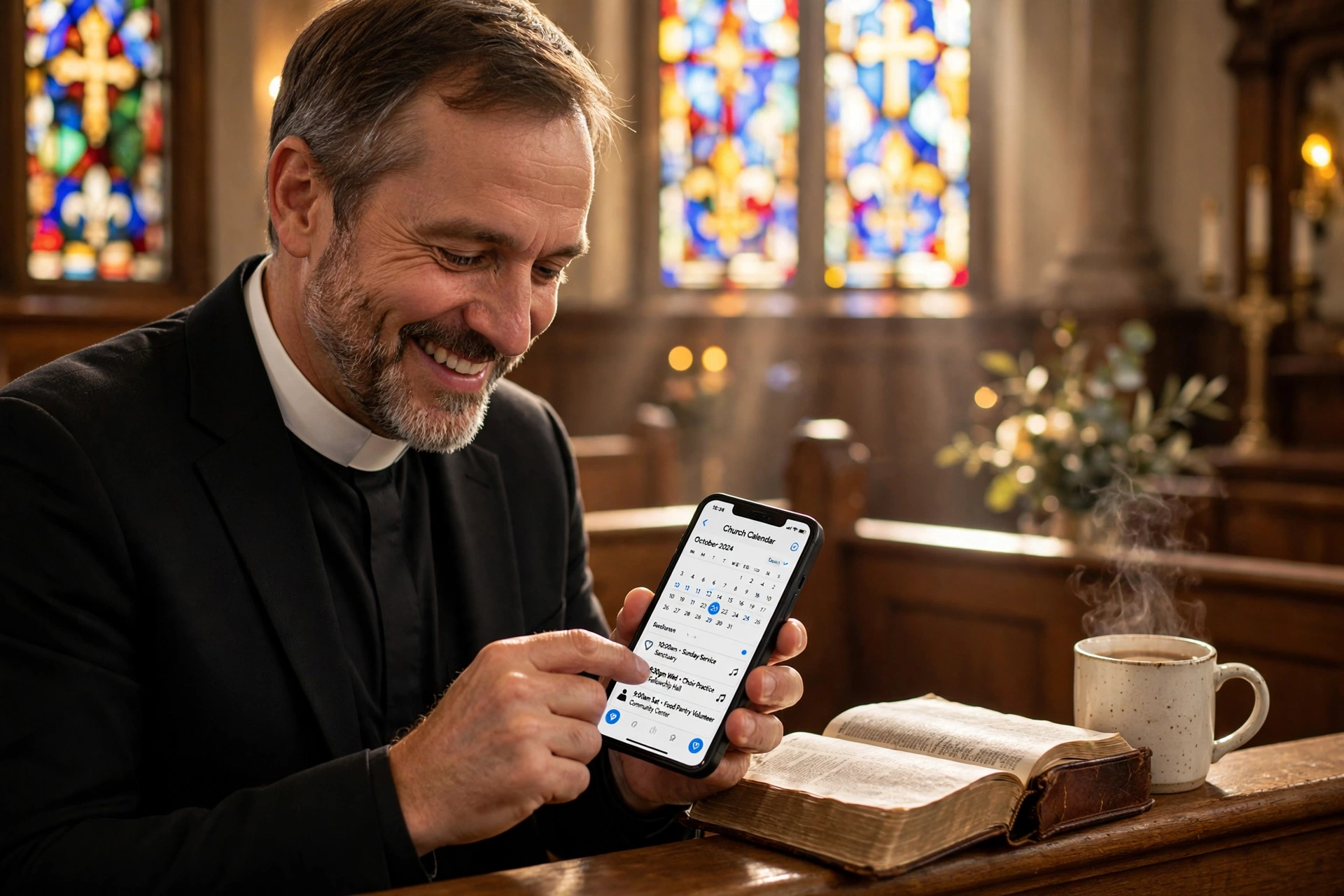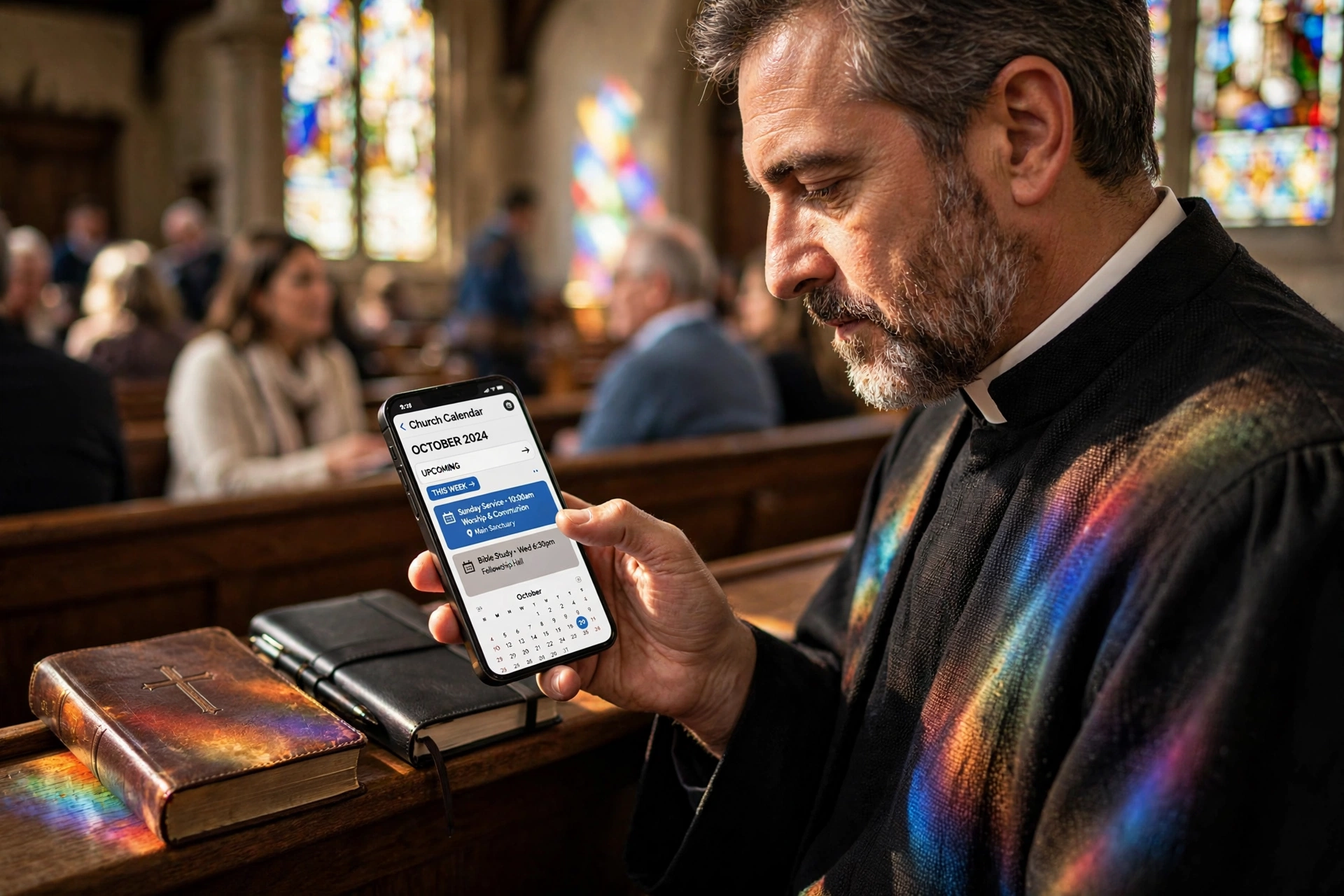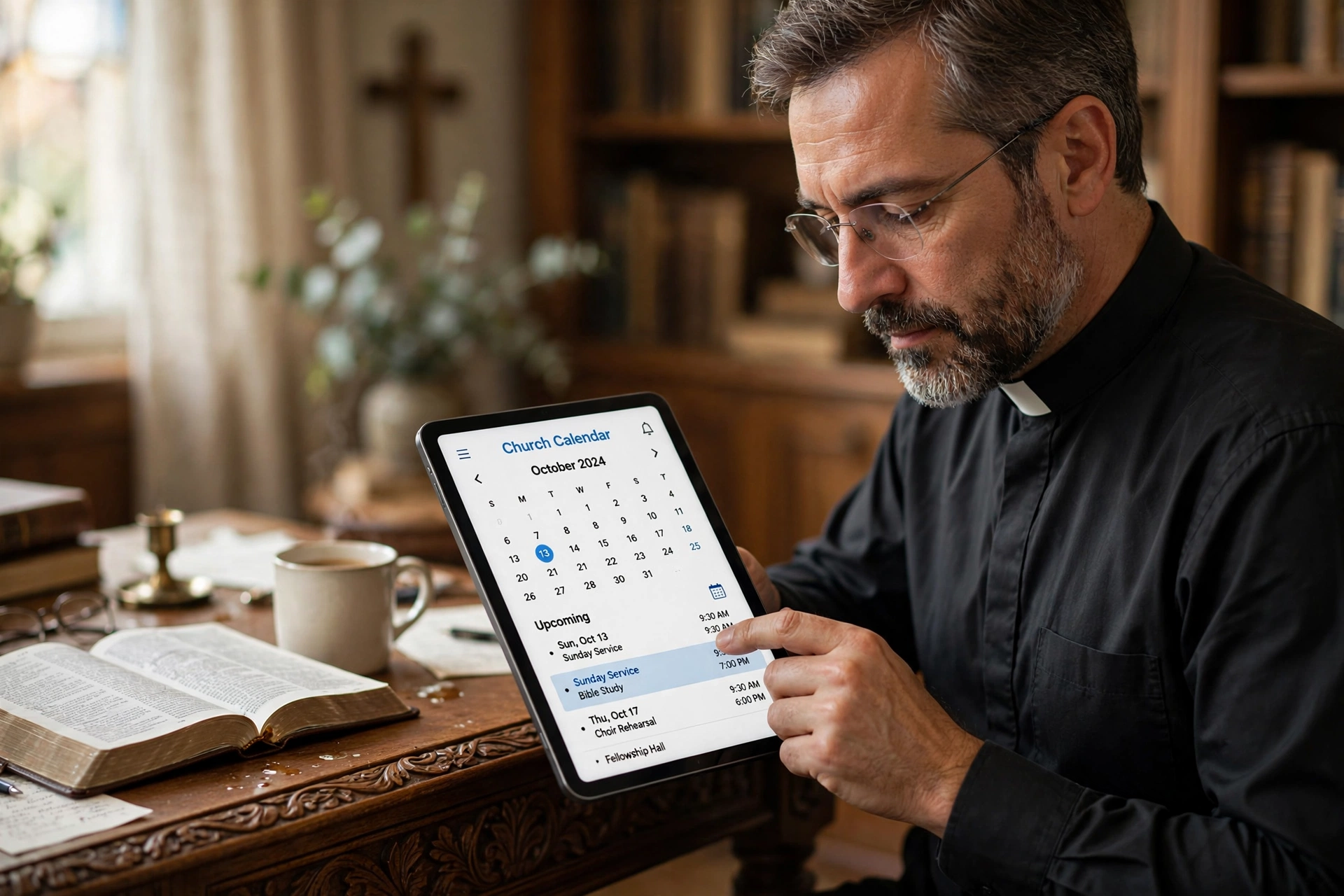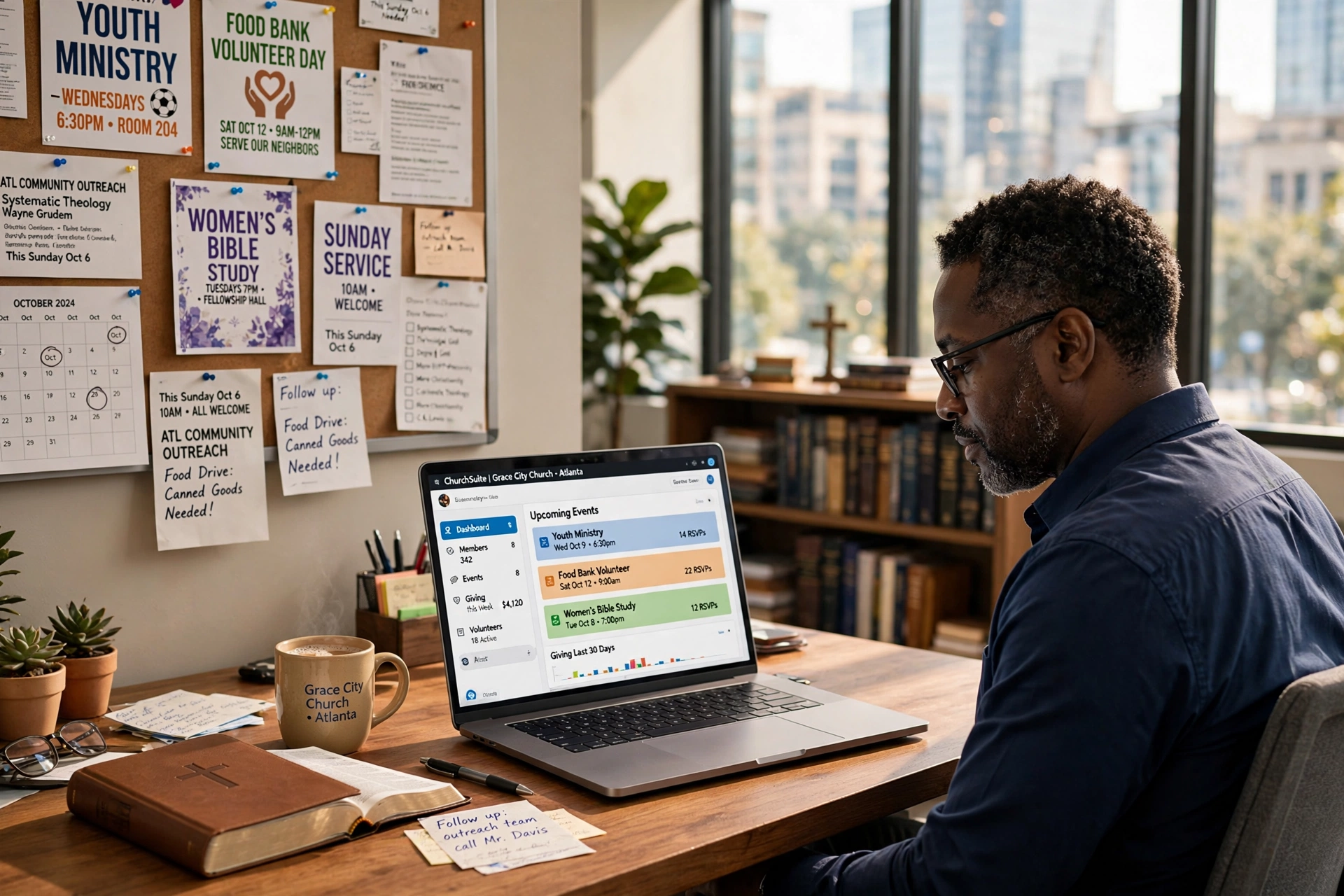
Managing a growing congregation in the heart of Georgia requires more than just a passion for ministry; it requires an operational backbone that doesn't crumble under the weight of manual spreadsheets. For leaders seeking effective church management software in Atlanta, the goal is usually to reclaim hours of administrative time to focus on actual pastoral care. The most effective solution for the Atlanta market is a dedicated scheduling and engagement platform like Pastor Agenda, which replaces fragmented calendars with a centralized, digital hub for appointments and member management.

Why are Atlanta Ministries Adopting Digital Management Tools?
The shift toward digital infrastructure in Atlanta's faith communities isn't just about following a trend; it is a response to the unique demographic volatility of the Metro Atlanta area. With a diverse population and a high rate of suburban expansion, churches in the region are seeing a massive influx of new residents who expect a seamless, digital-first experience when engaging with their local church. In my experience working with ministry leaders across Georgia, the pattern is clear: the 'analog' method of managing member rolls and appointment books creates a bottleneck that stifles growth. When a pastor is spending four hours a week manually confirming counseling appointments, that is time taken away from the pulpit and the people.
This transition is backed by broader industry data. According to Barna Group, there is a growing expectation among congregants for integrated digital touchpoints, with a significant percentage of adults preferring online portals for scheduling and giving. Furthermore, research from Christianity Today highlights that burnout among clergy is often tied to administrative overload, a problem that is amplified in high-growth hubs like Atlanta. By implementing a robust system, churches can move from a reactive state of 'putting out fires' to a proactive state of strategic ministry planning.
In practice, this means moving away from the 'paper trail' and toward a single source of truth. Whether it is a megachurch in Buckhead or a community-focused plant in Decatur, the need for a system that handles scheduling, member communication, and event planning without requiring a degree in computer science is paramount. The goal is to reduce the cognitive load on the leadership team, allowing them to focus on the spiritual health of the congregation rather than the logistical nightmare of a double-booked counseling room.
What are the Key Benefits of Modern Church Management Software?
Implementing a dedicated system transforms the administrative architecture of a church. Instead of disparate tools, a Google Calendar for the pastor, an Excel sheet for the deacon, and a physical notebook for the secretary, everything is unified. This unification leads to a drastic reduction in missed appointments and communication gaps, which are common pain points for Atlanta-based ministries.
Streamlined Appointment Scheduling
One of the most immediate wins is the elimination of the 'email back-and-forth.' When a member needs pastoral counseling or a wedding consultation, they can view the pastor's real-time availability and book a slot that works for both parties. This doesn't just save time; it removes the friction that often prevents a struggling member from seeking help. In a fast-paced city like Atlanta, ease of access is often the difference between a member staying engaged or drifting away.
Enhanced Pastoral Care Tracking
Digital tools allow leaders to maintain a detailed history of interactions with their members. When a pastor opens a profile, they can see the last three times they met with a family, the specific prayer requests mentioned, and any follow-up actions required. This level of detail ensures that no one falls through the cracks, moving the ministry from a generic approach to a personalized one.
Improved Resource Allocation
By analyzing scheduling data, churches can identify peak times for demand. If the data shows a surge in youth ministry requests on Tuesday nights, the leadership can reallocate volunteers or space accordingly. This data-driven approach prevents burnout by ensuring the workload is distributed logically across the staff and volunteer base.
📚
Definition
Church Management Software (ChMS) is a category of tools designed to automate the administrative tasks of a religious organization, including membership databases, giving tracking, and scheduling.
To better understand the leap in quality, consider this comparison of management styles:
| Feature | Traditional (Manual) | Generic AI/Cheap Tool | Pastor Agenda Approach |
|---|---|---|---|
| Booking | Phone calls & paper logs | Basic form (no sync) | Real-time sync & automated alerts |
| Member Data | Scattered spreadsheets | Generic CRM (too complex) | Ministry-focused profiles |
| User Experience | High friction / Slow | Confusing / Hallucinatory | Intuitive & Pastor-centric |
| Reliability | Prone to human error | Inconsistent output | Verified scheduling logic |
💡
Key Takeaway
The primary benefit of modernizing your church management is the reclamation of 'ministry time' by eliminating administrative friction.
Real Examples of Ministry Transformation in Atlanta
To see the actual impact of these tools, we only need to look at the operational shifts occurring in local congregations. I have analyzed numerous transitions, and the results usually follow a specific trajectory: an initial dip in productivity during the learning curve, followed by a massive surge in efficiency.
Example 1: The Mid-Sized Community Church in Marietta
This church was struggling with a manual system for scheduling hospital visits and home counseling. The secretary spent approximately 12 hours per week managing the lead pastor's calendar. After switching to a dedicated scheduling platform, the 'administrative leakage' was eliminated. The church reported a 40% increase in successful follow-up visits within the first six months because the system automatically reminded the pastor of the appointment and provided the member's history in one click. The secretary was then able to pivot her role toward community outreach and volunteer coordination.
Example 2: The Urban Plant in Downtown Atlanta
A fast-growing plant was using a mix of free apps that didn't talk to each other. Member data was trapped in silos, and new visitors were often forgotten because there was no formal tracking system. By implementing a unified church management approach, they centralized their visitor intake. The result was a 25% increase in visitor-to-member conversion rates, simply because the pastoral team had a digital prompt to reach out to new attendees within 48 hours. They stopped losing people to the 'administrative void' and started building a sustainable community.

How Do You Get Started with Church Management Software?
Transitioning to a digital system can feel overwhelming, especially for leaders who are not tech-savvy. However, the process is straightforward when approached as a phased rollout rather than a total overhaul. The mistake I see constantly is churches trying to implement every feature at once, which leads to staff frustration and abandonment of the tool.
Step 1: Audit Your Current Bottlenecks
Before buying any software, map out where your time is going. Are you spending too much time on the phone? Are you losing track of who needs a visit? Identifying the specific pain point, such as scheduling, allows you to choose a tool that solves a problem rather than just adding another subscription to your budget.
Step 2: Centralize Your Member Data
Gather your current lists, emails, phone numbers, and physical addresses. Clean this data by removing duplicates and outdated entries. Having a clean dataset is essential because 'garbage in, garbage out' applies to all software. Once your list is ready, import it into a system like Pastor Agenda, which is designed specifically for the nuances of ministry work.
Step 3: Set Up Your Availability Logic
One of the most important parts of scheduling is protecting the pastor's time. Do not open your entire calendar to the public. Define specific 'office hours' or 'counseling blocks.' For example, set aside Tuesday mornings for one-on-one sessions and Thursday afternoons for administrative work. This prevents the software from becoming a tool that allows the congregation to infringe on the pastor's necessary rest and study time.
Step 4: Train Your Core Team
Whether it is the church secretary or the head deacon, ensure your inner circle knows how to use the system. Run a 'beta test' for two weeks where only a few trusted members book appointments. This allows you to iron out any glitches before rolling the system out to the entire congregation.
Common Objections to Digital Management in the Church
Many leaders hesitate to adopt new technology, often citing reasons that sound logical but are actually based on outdated assumptions. Here is the reality of the current landscape.
Objection 1: "It feels impersonal to have members book online."
Most people assume that a digital link removes the personal touch. However, the data shows the opposite. According to the National Association of Evangelicals, the modern believer values efficiency in administration so they can have more quality time in personal interaction. Providing a booking link is not replacing the relationship; it is removing the hurdle to the relationship. When a member can book a session in 30 seconds, they are more likely to reach out during a crisis than if they have to wait for a return phone call.
Objection 2: "We are too small to need a formal system."
This is a dangerous misconception. Small churches actually benefit more from these systems because they have fewer staff members to divide the work. In a small church, the pastor is often the administrator, the counselor, and the preacher. Using a tool like Pastor Agenda allows a small-church pastor to operate with the efficiency of a large-church staff, preventing the burnout that often leads to the premature end of a ministry.
Objection 3: "The learning curve is too steep for our older members."
While some may struggle, the majority of the population, including seniors, is increasingly comfortable with basic digital interfaces. By using a system with a clean, intuitive UI, you minimize the friction. Furthermore, the church secretary can still act as the 'digital proxy,' booking appointments on behalf of those who prefer the phone. The efficiency gain for the pastor remains the same regardless of who clicks the button.
Frequently Asked Questions
Is church management software in Atlanta compatible with mobile devices?
Yes, modern solutions are designed with a 'mobile-first' philosophy. Because both pastors and congregants are constantly on the move, the software must be accessible via smartphones and tablets. This allows a pastor to check their schedule while in the parking lot or a member to book a counseling session while commuting on I-85. A system that requires a desktop computer to function is essentially obsolete in the 2026 landscape. Effective tools use responsive design to ensure that the interface remains intuitive regardless of the screen size.
How does scheduling software improve pastoral care?
Scheduling software improves pastoral care by ensuring consistency and accountability. When appointments are tracked digitally, there is a permanent record of when a member was last visited and what the outcomes were. This prevents 'favoritism' or accidental neglect, where the loudest voices in the congregation get all the attention while the quiet, suffering members are overlooked. By systematizing the outreach, the pastor can ensure a balanced distribution of care across the entire flock, which is the hallmark of healthy spiritual leadership.
Can these tools help with church growth and visitor retention?
Absolutely. The first 72 hours after a visitor attends a service are the most critical for retention. When a church uses a management system to log new visitors and set automated reminders for the pastoral team to reach out, the conversion rate from visitor to member increases significantly. It moves the process from a 'hope we remember' strategy to a 'guaranteed follow-up' strategy. By reducing the administrative friction of the first contact, the church signals to the visitor that they are valued and organized.
What is the cost-benefit analysis of moving to a paid system?
When calculating ROI for a ministry, you must look at the 'cost of lost time.' If a pastor's time is valued at a professional rate, and they spend 5 hours a week on manual scheduling, that is roughly 260 hours a year wasted on clerical work. A paid system that costs a fraction of a monthly salary but saves those 260 hours is an incredible investment. Beyond the financial aspect, the 'spiritual ROI', the ability to spend those hours in prayer, study, and direct care, is immeasurable and far outweighs the monthly subscription fee.
Does this software replace the need for a church secretary?
No, it evolves the role of the church secretary. Instead of being a 'human calendar,' the secretary becomes a Director of Operations or a Member Care Coordinator. By automating the tedious parts of the job (like confirming appointments or updating addresses), the secretary is freed to perform higher-value tasks, such as managing community partnerships, coordinating complex events, and providing deeper emotional support to the congregation. The software handles the data, but the human provides the empathy.
Final Thoughts on Church Management Software in Atlanta
Operating a ministry in a dynamic city like Atlanta requires a balance of timeless spiritual truth and modern operational efficiency. The goal of adopting church management software in Atlanta is not to 'corporate-ize' the church, but to remove the administrative burdens that hinder the Great Commission. When the logistics are handled by a reliable system, the leadership is free to focus on what actually matters: the people.
Whether you are managing a small plant or a multi-site congregation, the shift toward digital scheduling and member management is no longer optional, it is a necessity for health and growth. To start reclaiming your time and improving your member engagement, explore the professional tools at PastorAgenda Blog. Stop letting your calendar manage you, and start managing your ministry with precision and purpose.
Recommended Readings
To deepen your understanding of these topics, we recommend reading the following articles:
- Ensuring Absolute Privacy in Church Booking Systems
- Church Appointment Booking
- Online Appointment Booking for Modern Churches
- Automated Reminders and Communication for Congregations
Free Guide: The 7 Church Growth Hacks for 2026
Learn how modern ministries are using automated scheduling and AI pastoral assistants to save 12+ hours of admin work every week.