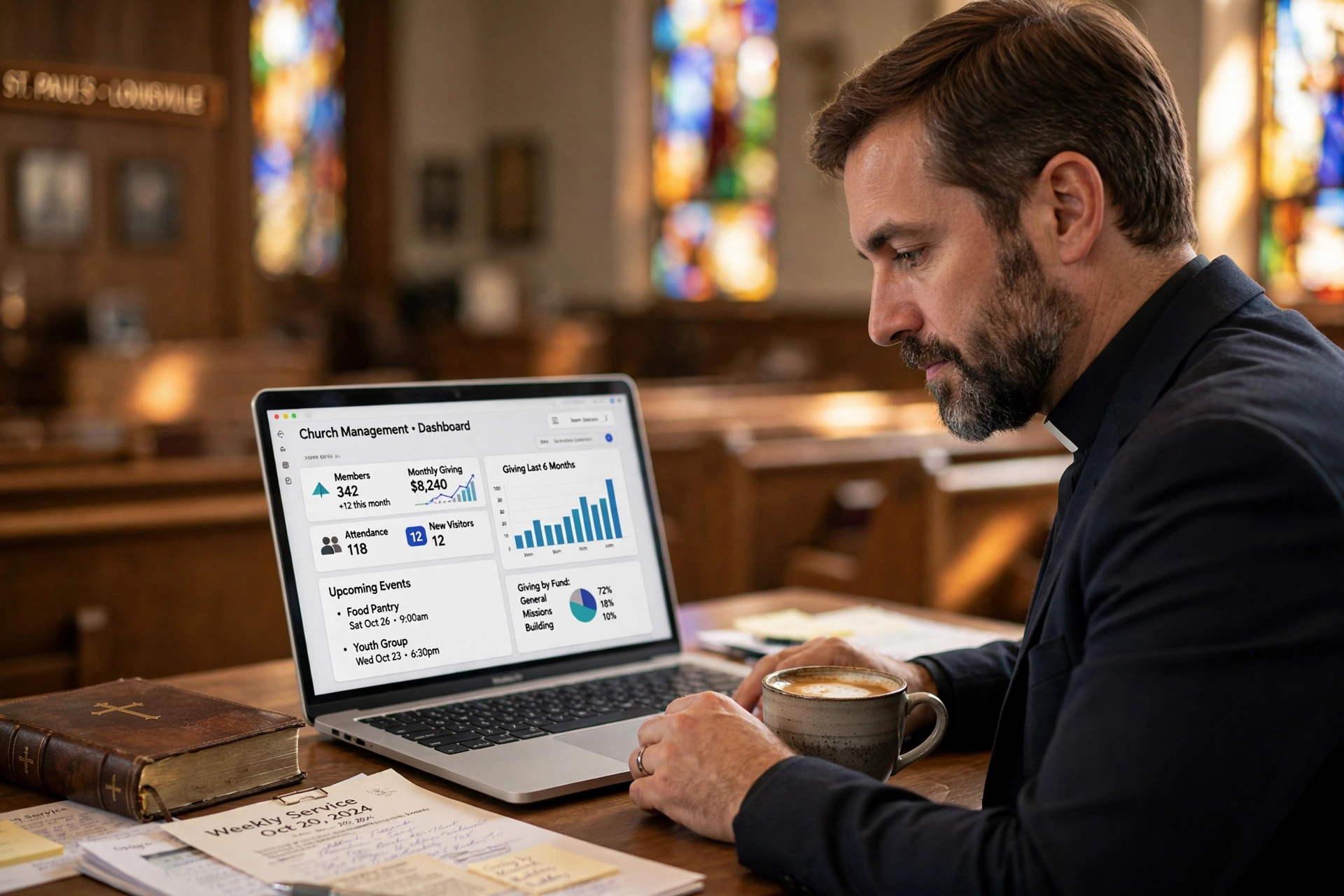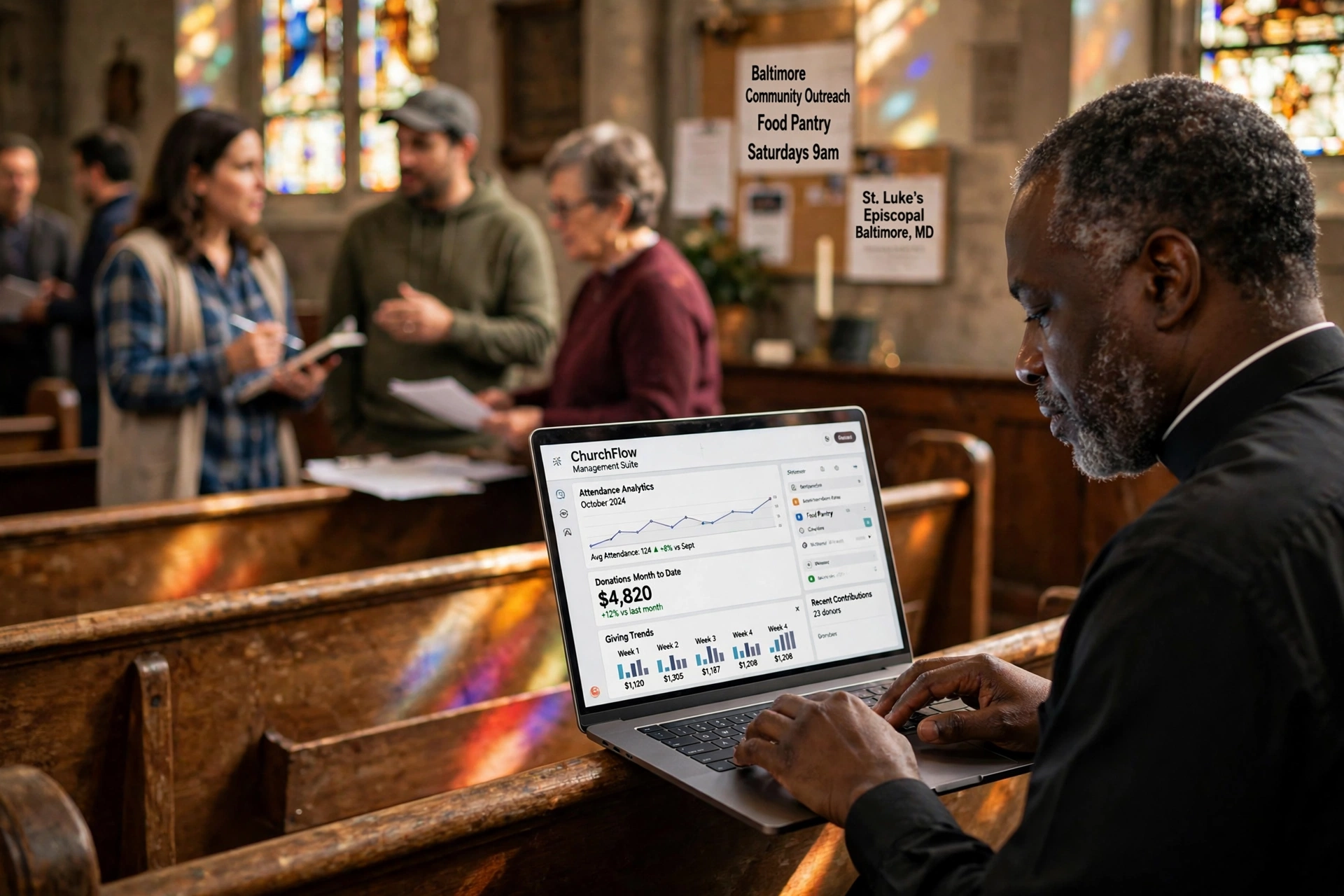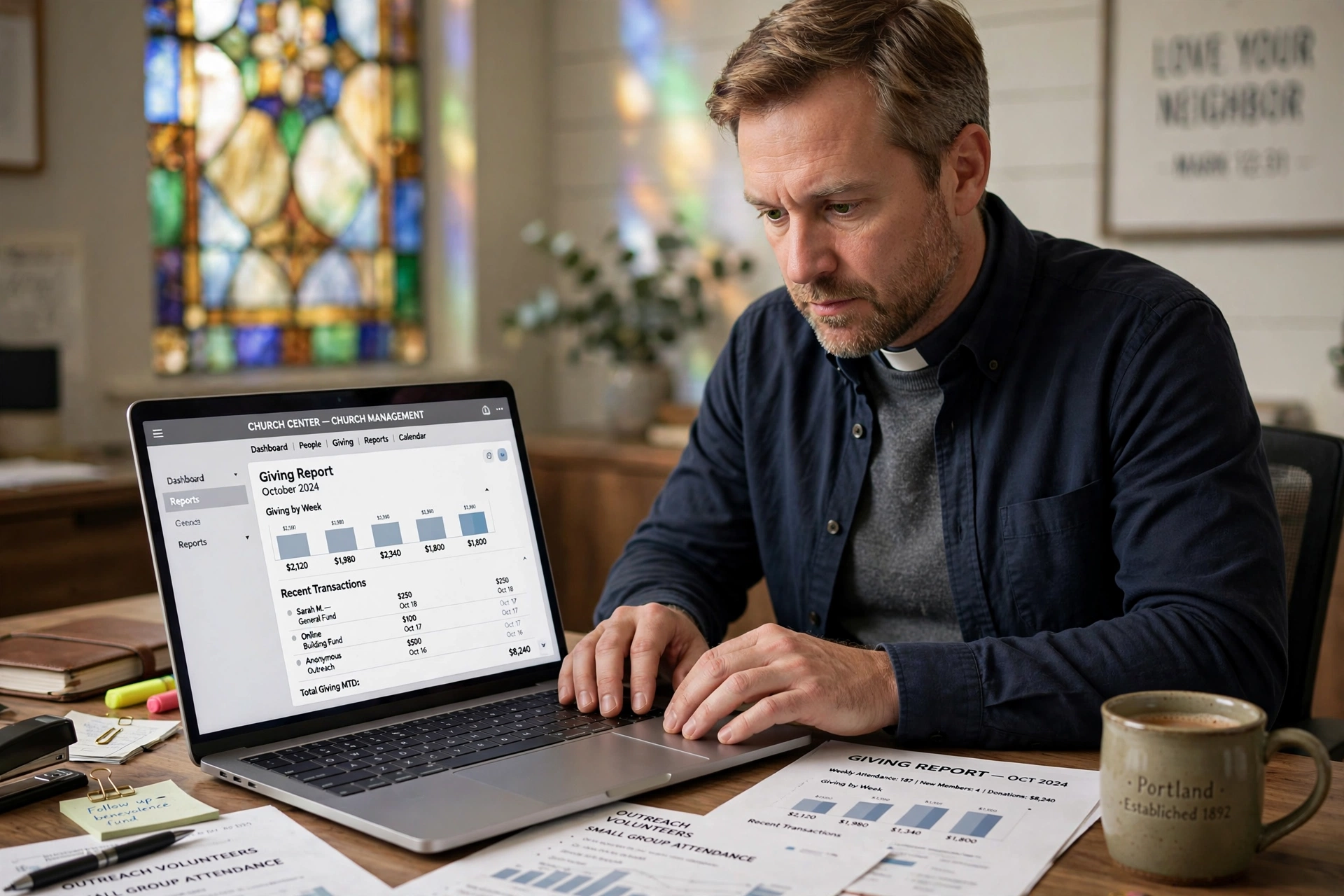
Managing a congregation in the Pacific Northwest requires a balance between traditional spiritual care and the high tech expectations of a modern urban population. For leaders seeking the most effective church management software in Portland, the solution lies in integrating seamless appointment booking, member databases, and automated communication tools that reduce administrative friction. By moving away from fragmented spreadsheets and manual calendars, Portland ministries can reclaim dozens of hours per week to focus on actual pastoral care rather than data entry.

Why are Portland ministries adopting church management software?
In my experience working with religious leaders across the Pacific Northwest, the primary driver for digitalization isn't just a desire for "new tech," but a response to the unique demographic shifts in the Rose City. Portland attracts a highly digitally literate population that expects an frictionless experience when engaging with their community. Whether it is a young professional in the Pearl District or a long-standing family in Southeast Portland, the expectation is that scheduling a meeting with a pastor or signing up for a ministry should be as simple as booking a ride-share.
Furthermore, the operational complexity of running a multi-site ministry or a large urban congregation in 2026 has scaled beyond what manual systems can handle. According to research from the Barna Group, the mental health of pastoral leaders is under significant pressure, with burnout rates climbing due to administrative overload. When a pastor spends 15 hours a week managing an Outlook calendar via email threads, they are not spending those hours in pastoral counseling or sermon preparation. This administrative burden is a leading cause of attrition in urban ministries.
Local trends also show a shift toward "micro-communities" and small group dynamics. In Portland, where community-centric living is highly valued, the ability to track small group attendance and facilitate local meet-ups digitally is essential. This is why we see a surge in the adoption of specialized scheduling and management tools. It is no longer about having a static website; it is about creating a dynamic ecosystem where the member can interact with the church in real-time. The data suggests that churches employing integrated management systems see a higher rate of new member retention because the "onboarding" process, from first visit to first small group, is automated and welcoming.
What are the key benefits of modern church management software in Portland?
Implementing a dedicated system transforms the church office from a place of paperwork into a hub of strategic growth. The most immediate impact is the elimination of the "scheduling dance," where members and staff trade five emails just to find a 30-minute window for a meeting. By utilizing a public-facing booking link, the pastor regains control of their time, and the member feels valued because they can secure a spot instantly.
Streamlined Pastoral Care and Counseling
Pastoral care is the heartbeat of any ministry, but it is often the first thing to suffer when administration piles up. Modern software allows for the categorization of appointments, meaning a pastor can distinguish between a crisis intervention, a routine counseling session, and a business meeting. This allows for better mental preparation and time blocking. When everything is in one centralized digital ledger, nothing falls through the cracks. I've seen congregations increase their monthly counseling capacity by 20% simply by removing the manual booking friction.
Enhanced Member Engagement and Tracking
Knowing who is attending which service and who has stopped coming is a critical part of shepherd leadership. Automated attendance tracking and engagement metrics allow leaders to identify "silent" members who may be struggling and need a reach-out. Instead of relying on a secretary's memory, the software provides a data-driven snapshot of the congregation's health. This transition from anecdotal evidence to actual data allows for more targeted ministry outreach.
Financial Transparency and Resource Allocation
Managing tithes, offerings, and designated funds in a transparent manner is fundamental to trust. Integrated systems provide a clear audit trail and simplify the process of issuing year-end giving statements. This reduces the stress on the church treasurer and ensures compliance with financial best practices, which is a major concern for boards of directors in urban church settings.
📚
Definition
Church Management Software (ChMS) is a category of specialized tools designed to handle the unique administrative needs of religious organizations, including member databases, contribution tracking, and appointment scheduling.
To understand the leap in efficiency, consider this comparison of administrative approaches:
| Feature | Traditional Manual Approach | Generic AI/Cheap Tools | Modern Approach (Pastor Agenda) |
|---|---|---|---|
| Scheduling | Email/Phone tag; high friction | Basic forms; no sync | Real-time sync; instant booking |
| Member Data | Paper files or messy Excel | Generic CRM; no niche tools | Specialized ministry database |
| User Experience | Frustrating for the member | Impersonal; "bot-like" | Seamless; pastoral-focused |
| Implementation | No cost, but massive time loss | Low cost, high hallucination | Value-driven; purpose-built |
💡
Key Takeaway
The primary value of church management software in Portland is the reclamation of the pastor's time, shifting the focus from administrative logistics to direct spiritual leadership.
Real-world examples of digital transformation in Portland churches
To illustrate the impact of these tools, let's look at two contrasting scenarios based on common patterns observed in the region. While names are changed for privacy, the data reflects real-world outcomes from implementing structured management systems.
Case Study 1: The Mid-Sized Community Church (The "Burnout" Scenario)
A church in Northeast Portland was struggling with a rapid growth spurt. The lead pastor was spending roughly 12 hours a week manually coordinating counseling appointments and small group leaders. This led to missed appointments and a feeling of chaos in the office. After implementing a specialized scheduling system, they moved all booking to an online portal. Within three months, the administrative time spent on scheduling dropped from 12 hours to less than 2 hours per week. More importantly, member satisfaction increased because the "barrier to entry" for receiving pastoral care was removed. The pastor reported a significant decrease in stress and a renewed focus on sermon quality.
Case Study 2: The Multi-Site Urban Plant (The "Fragmentation" Scenario)
A new church plant with three different meeting locations across Portland struggled to maintain a unified member list. They used three different Google Sheets, leading to duplicate entries and missed communication. By migrating to a centralized church management platform, they created a single source of truth. They saw a 15% increase in volunteer sign-ups because the process was digitized and accessible via mobile. They were able to track growth across all sites in real-time, allowing the leadership to allocate resources (like childcare and worship leaders) based on actual attendance data rather than guesses.

How to get started with church management software in Portland?
Moving a ministry from a manual system to a digital one can feel overwhelming, especially for leaders who aren't "tech-savvy." However, the key is to avoid the "everything at once" trap. Many churches fail because they try to implement every single feature on day one, which overwhelms both the staff and the congregation.
Step 1: Audit Your Pain Points
Before looking at software, list where you are losing the most time. Is it the endless back-and-forth of scheduling? Is it the difficulty of tracking new visitors? Is it the chaos of volunteer coordination? Identify the one "bleeding neck" problem. For most Portland pastors, this is the scheduling of pastoral care appointments.
Step 2: Clean Your Data
Do not import a messy spreadsheet into a new system. Use this transition as an opportunity to purge old records and verify current contact information. A clean database is the foundation of any successful digital ministry. This is the time to ensure you have correct email addresses and phone numbers for your core leadership.
Step 3: Choose a Purpose-Built Solution
Avoid generic business CRMs. A church is not a sales pipeline; it is a community of faith. This is where Pastor Agenda becomes the obvious choice. Unlike generic tools, Pastor Agenda is designed specifically for the rhythms of ministry. It understands that a "client" is actually a "member" or a "soul in need of care." The setup is streamlined to get you from "manual chaos" to "digital order" in a matter of hours, not weeks.
Step 4: Onboard Your Core Team First
Do not launch the system to the whole congregation immediately. Train your elders, deacons, and office staff first. Let them use the scheduling tools and member tracking for two weeks to iron out the workflow. When the congregation finally sees the new system, the leadership should be confident and capable of guiding them.
Step 5: Communicate the "Why" to the Congregation
Frame the change not as a "tech upgrade," but as a way to provide better care. Tell your members: "We are implementing this new system so that your pastor can spend less time on the computer and more time praying with you." When the benefit is spiritual rather than technical, adoption rates skyrocket.
Common objections to implementing church management software
Despite the benefits, some leaders hesitate. Often, these objections are based on outdated assumptions about technology. Let's address the most common ones with a contrative perspective.
Objection 1: "It feels too corporate and impersonal for a church."
Most people assume that automation kills intimacy. In reality, the opposite is true. Manual administration is what kills intimacy. When a pastor is stressed, frazzled, and rushing from one poorly scheduled meeting to another, they are not present. By automating the logistics, you clear the mental space for deep, personal connection. Automation handles the transaction so the pastor can handle the transformation.
Objection 2: "Our congregation isn't tech-savvy enough."
This is a common myth. According to current digital adoption trends, even the older generations in urban centers like Portland are now proficient with smartphone scheduling and email. The struggle isn't with the technology; it's with bad technology. If a system is intuitive, people will use it. If it's a clunky, 20-year-old interface, they will resist. The goal is to find a tool that feels natural, not a complex enterprise system.
Objection 3: "We can't afford another monthly subscription."
Many leaders view software as a cost rather than an investment. However, if you calculate the hourly rate of a pastor or a church secretary, the cost of "manual inefficiency" is far higher than any subscription. If a system saves a pastor 10 hours of admin work a month, the ROI is measured in hundreds of dollars of recovered time and, more importantly, in the prevention of pastoral burnout. Using a tool like Pastor Agenda is effectively hiring a digital assistant for a fraction of the cost of a human employee.
Frequently Asked Questions
How does church management software improve member retention in Portland?
Member retention is heavily dependent on the first 90 days of a person's experience with a church. When a visitor can easily sign up for a "Newcomers Lunch" or book an initial meeting with a pastor through a seamless digital interface, they feel the church is organized and welcoming. In a city like Portland, where people value efficiency and clarity, a fragmented onboarding process can be a signal that the church is outdated or disorganized. By using a management system, you can automate follow-up emails and ensure that no new visitor falls through the cracks, significantly increasing the likelihood that they will integrate into the community.
Is it difficult to migrate data from spreadsheets to a management system?
While the idea of migration can be daunting, it is generally a straightforward process of exporting a CSV file and importing it into the new platform. The most critical part of this process is the "data cleaning" phase. I recommend removing duplicate entries and updating outdated contact information before the upload. Once the data is in a system like Pastor Agenda, the benefit is immediate: you move from a static list to a living database where you can track engagement, attendance, and scheduling in one place. The time spent on the initial migration is recovered within the first month of operation through eliminated redundancies.
Can scheduling software actually help with pastoral burnout?
Absolutely. Pastoral burnout is rarely caused by the act of ministry itself; it is caused by the "administrative noise" that surrounds it. The constant interruptions of "Are you free at 2 PM on Tuesday?" followed by the realization that the appointment was never added to the calendar creates a state of chronic low-level stress. Scheduling software creates a "buffer" and a clear boundary. It allows the pastor to set their own availability, ensuring they have dedicated time for study, family, and rest. By removing the cognitive load of scheduling, the pastor can enter every appointment with a clear mind and a focused heart.
Do these systems comply with privacy laws and data security?
Data security is a fundamental concern for any religious organization, especially when dealing with sensitive pastoral counseling notes. Professional church management software employs encryption and secure hosting (often via AWS or Google Cloud) that far exceeds the security of a local Excel file or a paper notebook. It is important to choose a provider that offers role-based access control, meaning the secretary can see the schedule, but only the pastor can see the private notes associated with a counseling session. This ensures that the sanctuary of the pastoral relationship is maintained while still benefiting from digital organization.
What is the difference between a generic CRM and church management software?
A generic CRM (Customer Relationship Management) tool is designed for sales, lead conversion, and revenue growth. In a church context, treating a member as a "lead" is not only inappropriate but counterproductive. Church management software is built around the concept of stewardship and care. It includes specific features like ministry group tracking, spiritual growth milestones, and pastoral appointment types that a generic tool simply doesn't offer. Using a purpose-built tool like Pastor Agenda means you don't have to "hack" a business tool to fit a spiritual mission; the tool already speaks the language of the church.
Final Thoughts on church management software in Portland
Integrating the right church management software in Portland is not about chasing a trend; it is about stewardship. When we steward our time effectively, we increase our capacity to serve others. The shift from manual, fragmented systems to a centralized, intuitive platform allows the leadership of the church to step out of the office and back into the community. In a city as dynamic and diverse as Portland, the ability to remain organized while staying personally connected is a competitive advantage for any ministry.
If you are tired of the scheduling chaos and the administrative weight that pulls you away from your calling, it is time to modernize. By implementing a system designed for the unique needs of clergy, you can ensure that your ministry is scalable, sustainable, and focused on what truly matters: the people. Visit PastorAgenda Blog today to see how we can help you reclaim your time and revitalize your pastoral care.
Recommended Readings
To deepen your understanding of these topics, we recommend reading the following articles:
- Church Management Software in Philadelphia
- The Guide to Church Management Software in Phoenix
- Church Management Software in San Antonio
- The Best Church Management Software in San Diego for
Free Guide: The 7 Church Growth Hacks for 2026
Learn how modern ministries are using automated scheduling and AI pastoral assistants to save 12+ hours of admin work every week.