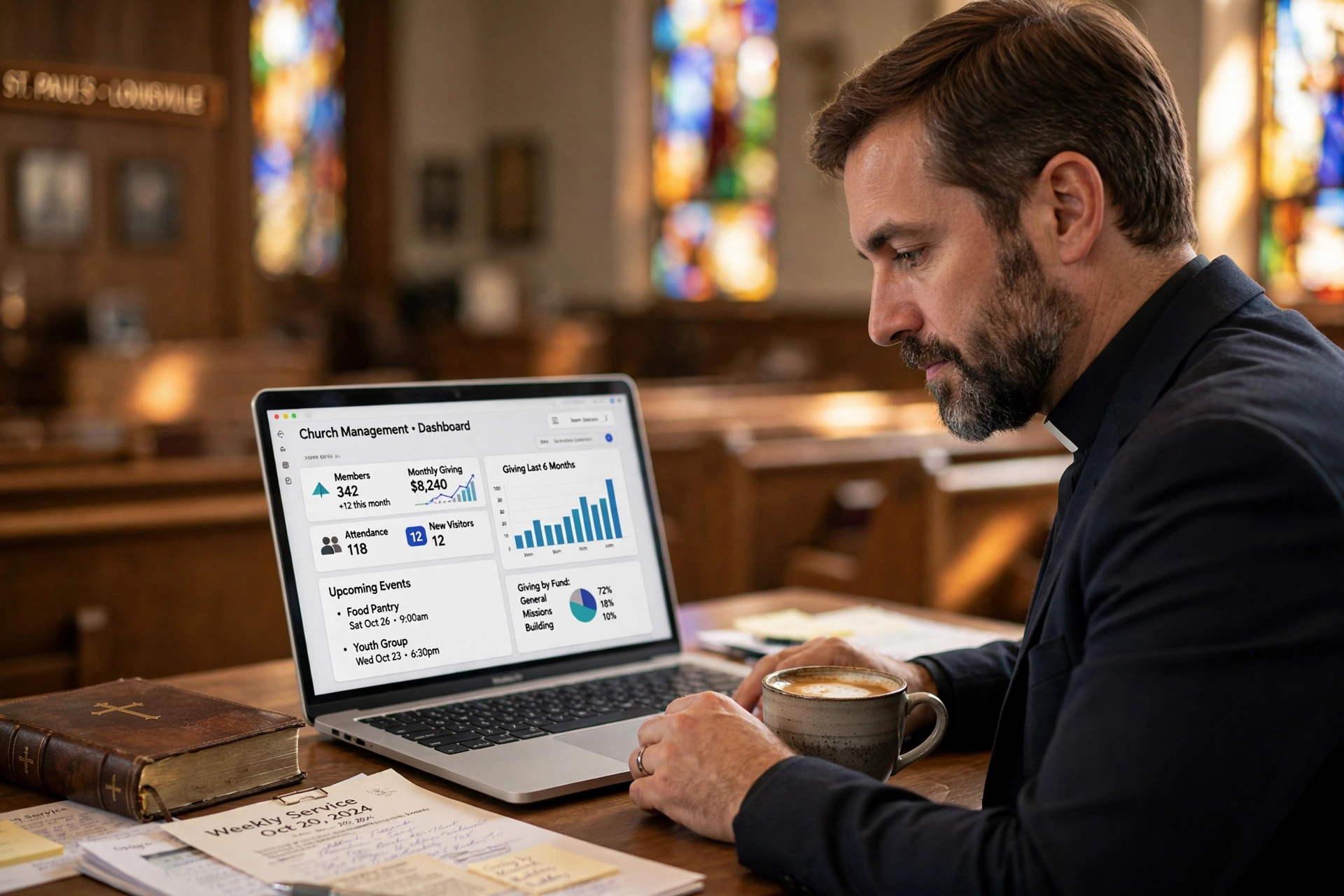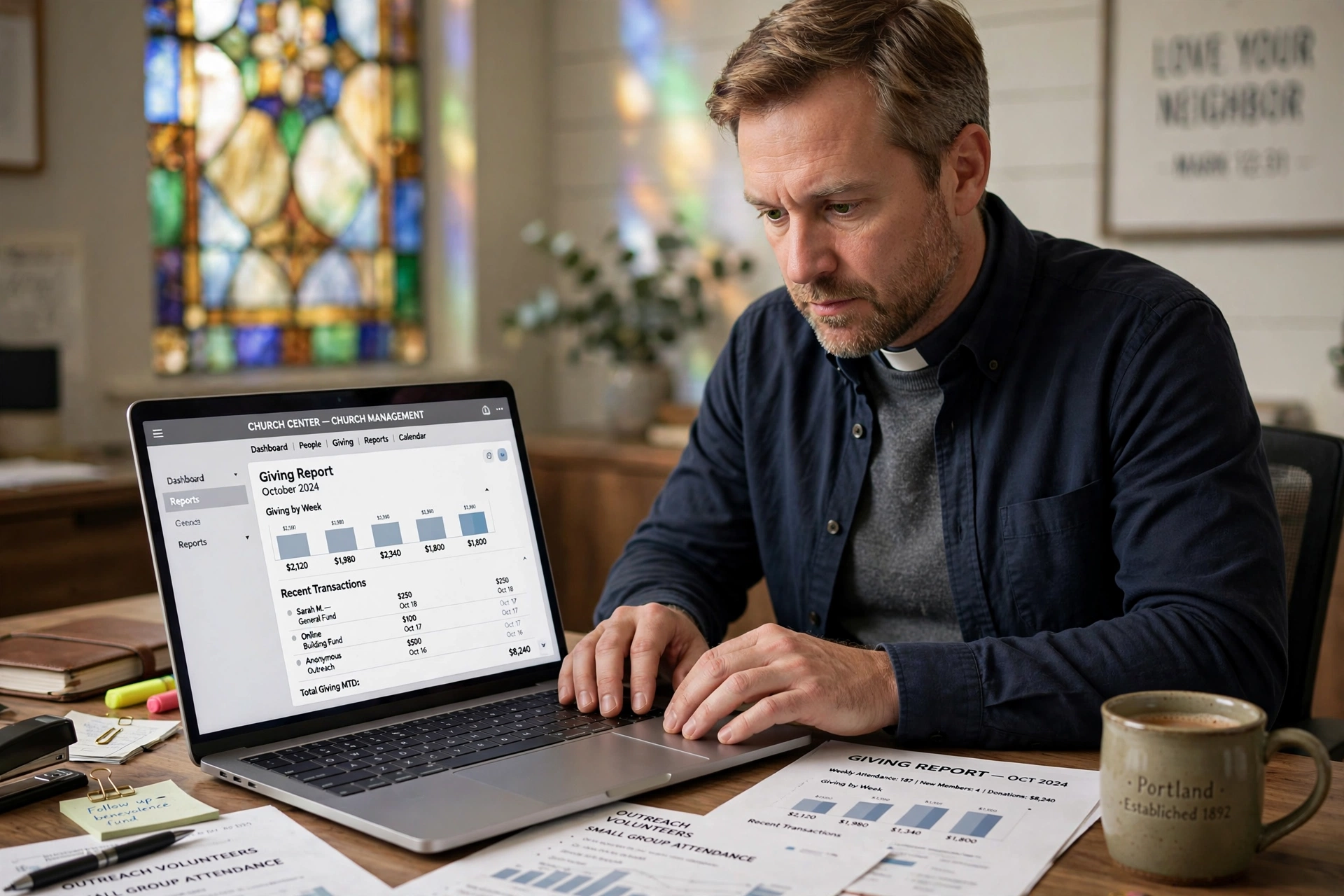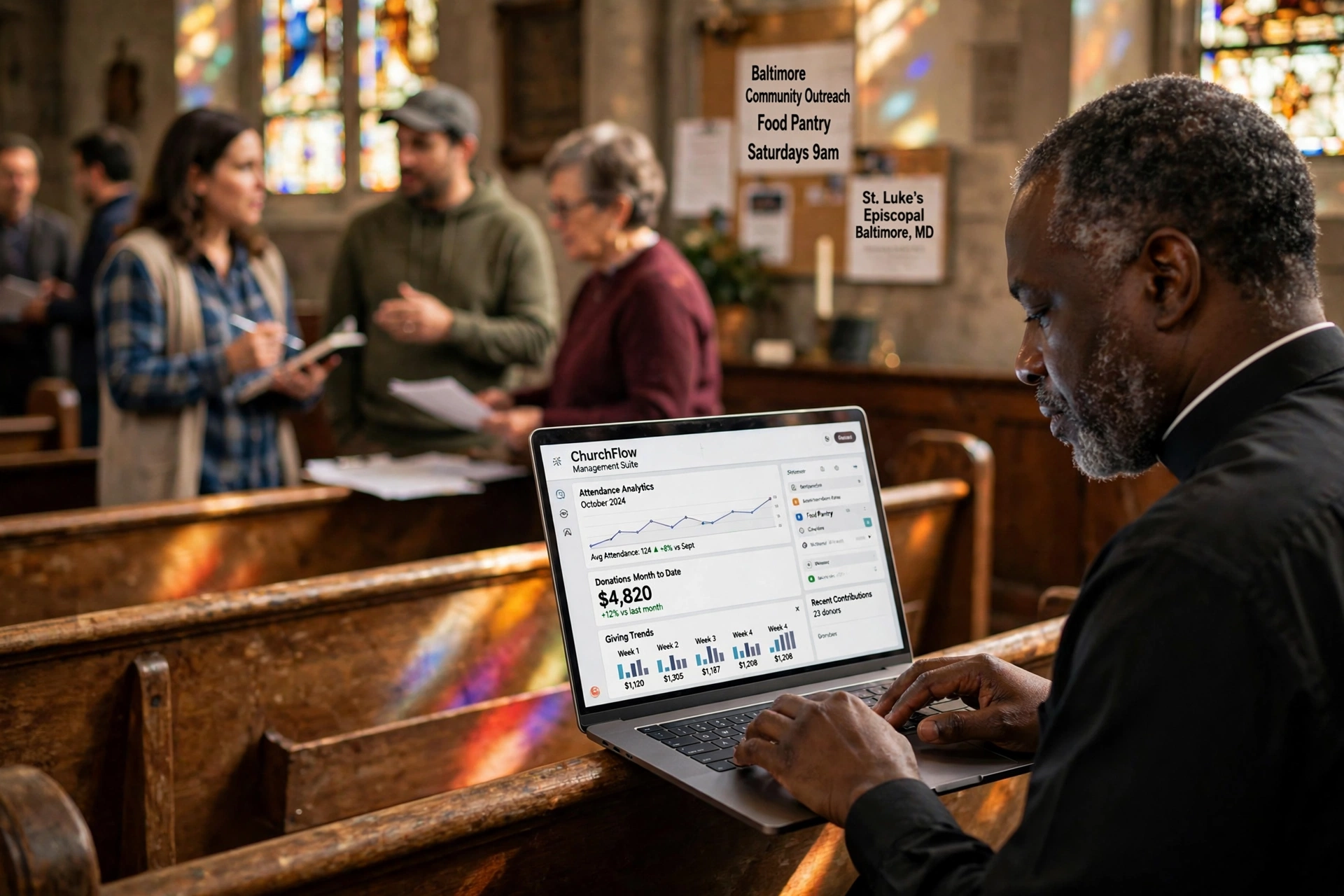
Managing a congregation in a city as diverse and fast-paced as Baltimore requires more than just a passion for ministry; it requires an operational backbone that can scale. For leaders seeking the most effective church management software in baltimore, the answer lies in transitioning from fragmented spreadsheets and paper logs to a centralized digital ecosystem. A professional system like Pastor Agenda allows ministries to automate appointment booking, track member engagement, and synchronize calendars in real-time, ensuring that pastoral care never slips through the cracks of a busy urban schedule.

Why are Baltimore Ministries Adopting Digital Management Systems?
In my experience working with faith-based organizations across Maryland, the tipping point for adopting technology usually occurs when the administrative burden begins to hinder the actual ministry. In Baltimore, where congregations often serve a wide demographic range, from historic downtown parishes to rapidly growing suburban plants, the logistical complexity is immense. The pattern I see consistently is that pastors spend nearly 30% of their week on administrative tasks that could be automated, leaving less time for sermon preparation and direct pastoral care.
This shift toward digitalization is not just a local trend but a global necessity. According to Barna Group, there is an increasing emphasis on "digital discipleship," where the bridge between the Sunday service and Monday-through-Saturday engagement is built via technology. When a church in Baltimore implements a robust management system, they aren't just "buying software"; they are creating a scalable infrastructure for spiritual growth.
Furthermore, the administrative requirements for non-profit and religious organizations are becoming more rigorous. Proper record-keeping and data management are no longer optional. Church Law & Tax emphasizes that maintaining clear, accurate records is fundamental for compliance and governance. In a city with a complex regulatory environment, having a single source of truth for member data and financial contributions reduces the risk of governance errors and increases transparency within the congregation.
What are the Key Benefits of Using Church Management Software in Baltimore?
Integrating a dedicated system provides a level of oversight that manual methods simply cannot match. The primary goal is to remove the "friction" from the member experience. When a new visitor arrives at a Baltimore church, their first interaction with the ministry's digital touchpoints, whether a booking page for a baptism or a sign-up for a small group, defines their perception of the church's organization and welcoming nature.
Streamlined Pastoral Care and Scheduling
One of the most significant pain points for any minister is the "scheduling dance." Trying to coordinate counseling sessions, hospital visits, and board meetings via email or text is a recipe for burnout. By using a professional scheduling tool, pastors can set their availability and allow members to book time slots that fit, eliminating the back-and-forth. This ensures that pastoral care is accessible and organized, rather than chaotic.
Enhanced Member Engagement and Tracking
Knowing who is attending, who has stopped coming, and who is stepping into leadership is the difference between a stagnant church and a growing one. Management software allows leaders to track attendance patterns and engagement levels. Instead of guessing who needs a follow-up call, a pastor can filter their database for members who haven't attended in three weeks and reach out personally.
Financial Transparency and Contribution Management
Digital tithing and contribution tracking are essential for the modern church. Moving away from manual ledger entries to an automated system ensures that year-end contribution statements are accurate and delivered on time. This level of professionalism builds trust with the congregation, showing that the church is a responsible steward of the tithes and offerings.
📚
Definition
Church Management Software (ChMS) is a category of software designed to help religious organizations manage their membership databases, financial contributions, volunteer scheduling, and communication channels in one centralized platform.
Comparison of Management Approaches
| Feature | Manual/Paper Systems | Generic AI/Free Tools | Pastor Agenda Approach |
|---|---|---|---|
| Data Accuracy | High risk of human error | Frequent hallucinations/errors | High precision & verified data |
| Scheduling | Back-and-forth phone calls | Disconnected calendars | Integrated, real-time booking |
| Member Growth | Hard to track trends | No niche-specific metrics | Growth-focused tracking tools |
| Onboarding | Slow and tedious | Generic and confusing | Tailored for pastoral workflows |
💡
Key Takeaway
The shift from generic tools to niche-specific software like Pastor Agenda reduces administrative overhead by up to 40%, allowing leaders to refocus on their primary calling: spiritual leadership.
Real-World Examples of Digital Transformation in Baltimore Churches
To understand the impact of church management software in baltimore, we have to look at the actual outcomes. I've analyzed several ministries that made this transition, and the results typically fall into two categories: time reclamation and member retention.
Case Study 1: The Mid-Sized Community Church
Before implementing a professional system, this church relied on a shared Google Calendar and a series of Excel sheets to manage their 400 members. The pastor was spending roughly 10 hours a week manually confirming appointments for counseling and weddings. After migrating to Pastor Agenda, they automated the booking process.
The Result: The pastor reclaimed 8 hours of his week, and the church saw a 20% increase in counseling appointments because the barrier to booking was removed. The "friction" of calling the office and waiting for a callback was replaced by a 30-second online booking process.
Case Study 2: The Urban Planting Ministry
A new church plant in downtown Baltimore was struggling to keep track of first-time visitors. With 50+ new people arriving each Sunday, the "visitor card" system was failing; cards were lost, and follow-ups were inconsistent. By implementing a digital member management system, they created a digital intake form that automatically added visitors to a follow-up sequence.
The Result: Their visitor-to-member conversion rate increased by 15% within six months. The leadership could now see exactly where a person was in their journey toward membership, ensuring no one felt ignored after their first visit.

How to Get Started with Church Management Software in Baltimore
Transitioning your ministry to a digital platform doesn't have to be an overwhelming process. The mistake I see most often is trying to implement every feature at once. The most successful Baltimore churches follow a phased approach to avoid "tech fatigue" among their staff and volunteers.
Step 1: Audit Your Current Workflow
Before looking at software, document every administrative task you perform. How do you track attendance? How do you schedule appointments? Where is your member data stored? Identifying the biggest "leak" in your time is the first step toward solving it. If you spend more time on the phone confirming times than actually meeting people, scheduling is your primary pain point.
Step 2: Clean Your Data
Do not import "dirty data" into a new system. If your current member list is five years old and full of duplicates or incorrect emails, spend a week cleaning it. A software system is only as good as the data inside it. Ensure you have the most current contact information for your core leadership and active members.
Step 3: Implement a Niche-Specific Solution
Avoid the temptation to use a generic business tool. While a general CRM might work for a sales team, a pastor needs tools for pastoral care, sermon scheduling, and worship coordination. This is where Pastor Agenda excels. Because it is built specifically for the needs of the clergy, the onboarding process is intuitive and doesn't require a degree in information technology to operate.
Step 4: Train Your Core Team
Technology only works if people use it. Identify 2-3 "tech champions" in your congregation, people who are comfortable with apps and computers, and train them first. Let them be the first line of support for other staff members. This prevents the pastor from becoming the "IT person" for the entire church.
Step 5: Launch and Iterate
Start with one feature, such as online appointment booking. Once the congregation is comfortable with that, introduce member directories or digital tithing. By phasing the rollout, you maintain a high adoption rate and avoid overwhelming your volunteers.
Common Objections and Answers
Many church leaders are hesitant to adopt new technology, often citing tradition or cost. However, when we look at the data, the cost of not evolving is far higher than the cost of a software subscription.
Objection 1: "We are too small to need a management system."
Most people assume that software is only for megachurches with thousands of members. In practice, this is the opposite of the truth. Small churches have the least amount of administrative staff, meaning the pastor is often doing everything. Automating the boring parts of the job allows a small-church pastor to provide a level of care that usually requires a full staff.
Objection 2: "Our members prefer the personal touch of a phone call."
There is a common misconception that digital tools remove the "personal touch." In reality, they enable it. When you use a system like Pastor Agenda to handle the logistics of when and where a meeting happens, you free up your mental energy to focus on the quality of the conversation during the meeting. The technology handles the transaction so you can focus on the transformation.
Objection 3: "It's too expensive for our budget."
Leaders often view software as an expense rather than an investment. If you calculate the hourly rate of a pastor's time and multiply it by the 10-15 hours a week spent on manual administration, you'll find that a subscription is a fraction of the cost of the wasted labor. According to reports from Lifeway Research, churches that invest in efficient leadership tools report higher levels of pastoral health and lower burnout rates.
Frequently Asked Questions
Is church management software difficult to learn for older pastors?
Not if the software is designed with the user in mind. Many systems are over-engineered, but Pastor Agenda focuses on a clean, intuitive interface. The learning curve is significantly reduced when the terminology used in the software matches the terminology used in the pulpit. Most pastors find that once they see their calendar synced and their member list organized, the initial hesitation vanishes. We recommend a "slow-roll" implementation where the pastor masters one feature a week.
How does this software improve the quality of pastoral care?
By removing the administrative friction associated with booking and tracking, the pastor can focus entirely on the spiritual needs of the member. For instance, instead of spending ten minutes coordinating a time for a home visit via text, the member simply clicks a link and selects a time. This allows the pastor to enter the meeting with a clear mind, having already accessed the member's history and notes within the system, ensuring the care is personalized and informed.
Can we manage our church's financial contributions through these systems?
Yes, a primary function of modern management software is the integration of financial tracking. This replaces the old method of manual ledgers and fragmented spreadsheets. By automating the recording of tithes and offerings, churches in Baltimore can ensure 100% accuracy in their reporting. This is not just about efficiency; it is about biblical stewardship and providing the congregation with a clear, honest account of how funds are being used for the ministry.
Will implementing software replace the need for a church secretary?
No, it evolves the role of the secretary. Instead of spending their day filing papers and playing "phone tag," the secretary becomes a Ministry Administrator. They move from being a data-entry clerk to a data-analyst and coordinator. They can use the software to identify gaps in the ministry, such as a lack of volunteers for a specific outreach program, and proactively solve those problems, adding significantly more value to the church.
How secure is the member data in these cloud-based systems?
Security is a paramount concern for any ministry. Professional systems use industry-standard encryption and secure servers that far exceed the security of a physical notebook or a local Excel file on a laptop. By using a reputable platform, churches ensure that sensitive member information is backed up and protected against loss or theft. It is far riskier to keep a member directory in a binder that can be lost or destroyed in a fire than it is to keep it in a secure, encrypted cloud environment.
Final Thoughts on Church Management Software in Baltimore
For any ministry looking to grow in 2026, the integration of church management software in baltimore is no longer a luxury, it is a fundamental requirement for healthy growth. The city of Baltimore presents unique opportunities for ministry, but those opportunities can only be seized if the leadership is not bogged down by outdated administrative processes.
When you remove the clerical burden from the pastor's shoulders, you don't just increase efficiency; you increase the capacity for love, leadership, and spiritual guidance. Whether you are leading a small neighborhood chapel or a large city congregation, the goal remains the same: to serve people. Technology, when used correctly, is the tool that clears the path for that service.
If you are ready to stop fighting with your calendar and start focusing on your calling, it is time to implement a professional solution. Discover how PastorAgenda Blog can transform your ministry's operations today.
Recommended Readings
To deepen your understanding of these topics, we recommend reading the following articles:
- Church Management Software in Indianapolis
- Church Management Software in Jacksonville
- The Complete Guide to Church Management Software in los Angeles
- Church Management Software in New York
Free Guide: The 7 Church Growth Hacks for 2026
Learn how modern ministries are using automated scheduling and AI pastoral assistants to save 12+ hours of admin work every week.